
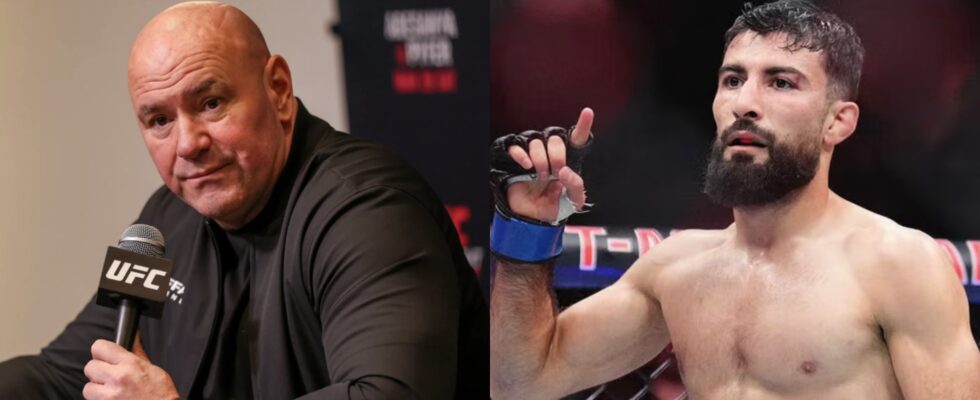
Undefeated bantamweight Farid Basharat has raised serious questions about the UFC’s programming philosophy following his surprising release from the promotion after compiling a 16-0 record with seven consecutive victories inside the octagon.
In his assessment, Basharat argued that the organization is prioritizing spectacle over content in ways that could ultimately undermine the sport’s credibility.
“I think the company, the UFC, is manufacturing a fan base that doesn’t appreciate good quality combat and they just appreciate these Rock’em type fights where even if it’s a mismatch, even if it’s a low level match, as long as there’s blood, as long as it’s a first round finish, we’re happy,” Basharat said.
The athlete’s comments reflect a growing tension within mixed martial arts between technical excellence and entertainment. While Basharat’s undefeated record demonstrates consistent success, his UFC tenure notably lacked the finish-heavy performances that typically generate social media buzz and viral moments.
Basharat warned that the current approach might deliver short-term gains but carries long-term risks.
“In my opinion, you just can’t build a sport off that because you might do well for a couple of years, ratings-wise, but sooner or later, it’s going to delegitimize the sport and the fans are going to be left wanting high-quality matches,” he explained.
The 16-0 athlete positioned himself as someone who values technical mastery over theatrical showmanship.
“That’s what I find entertaining. Maybe I’m too much of a combat nerd, but when I see the best against the best, for me, that’s what’s entertaining. I don’t want to see no mismatches and low-level guys going toe-to-toe,” Basharat said.
Yet even as he voiced his concerns, Basharat acknowledged the UFC’s undeniable commercial success.
“The UFC is guaranteed $7.7 billion over the next seven years, so they’re clearly great at what they’re doing. So what do I know?” he conceded.
UFC President Dana White addressed Basharat’s release during a post-event press conference, though his explanation focused on operational considerations rather than combat style.
“I think that when guys contracts are up, I mean this isn’t the first time this has happened and either guys aren’t good to deal with and the matchmakers don’t want to deal with them or you know which could be turning down matches or whatever the reasoning is,” White said.
White made clear that wins alone don’t guarantee continued employment.
“If you’re 16 and 0 with seven wins in the UFC and and don’t get resigned, there’s definitely a reason,” the UFC president stated, suggesting behind-the-scenes factors influenced the decision.
