

A civil lawsuit against social media influencer Wes Watson has taken an interesting turn as his legal team files opposition to punitive damages, revealing what appears to be their complete defense strategy.
The case stems from an altercation at Elevation Fitness where Watson and others confronted Hakee Ibrahim, who had traveled from New Jersey to the gym.
Man gets interviewed by cops after getting beat up by rich influencer. pic.twitter.com/L1zuWODaTP
— Raphousetv (RHTV) (@raphousetv2) June 21, 2025
According to court documents reviewed by DumbedDownLaw, Watson’s attorneys are framing the incident as self-defense, despite surveillance footage showing multiple people involved in the confrontation.
The defense memorandum lays out their narrative: Ibrahim, described as 6’7″ tall and weighing 230 pounds (104 kg) with an athletic build, allegedly initiated contact by pushing Watson first, making Ibrahim responsible for “the first battery.”
The defense argues Ibrahim traveled specifically to confront Watson after purchasing a day pass to the gym. When Watson attempted to stand from a bench, Ibrahim allegedly pushed him.
The memo states Ibrahim then pushed co-defendant Nicholas Delos before Watson motioned with a weight belt as a warning. Rather than leaving, Ibrahim “chose to continue and engage,” according to the filing.
Watson’s deposition testimony reveals his mindset during the encounter. “A gangster who was coming to k(ll me,” Watson stated when asked about his perception of Ibrahim’s approach. “I get d**th threats every day. I thought for sure some gangster guy was going to come up after he put his hands on me that he was going to pull a g*n and kill me.”
The defense team submitted sample direct messages Watson receives on Instagram as evidence of ongoing threats. These messages are intended to establish a pattern of threats that would justify Watson’s heightened state of alert.
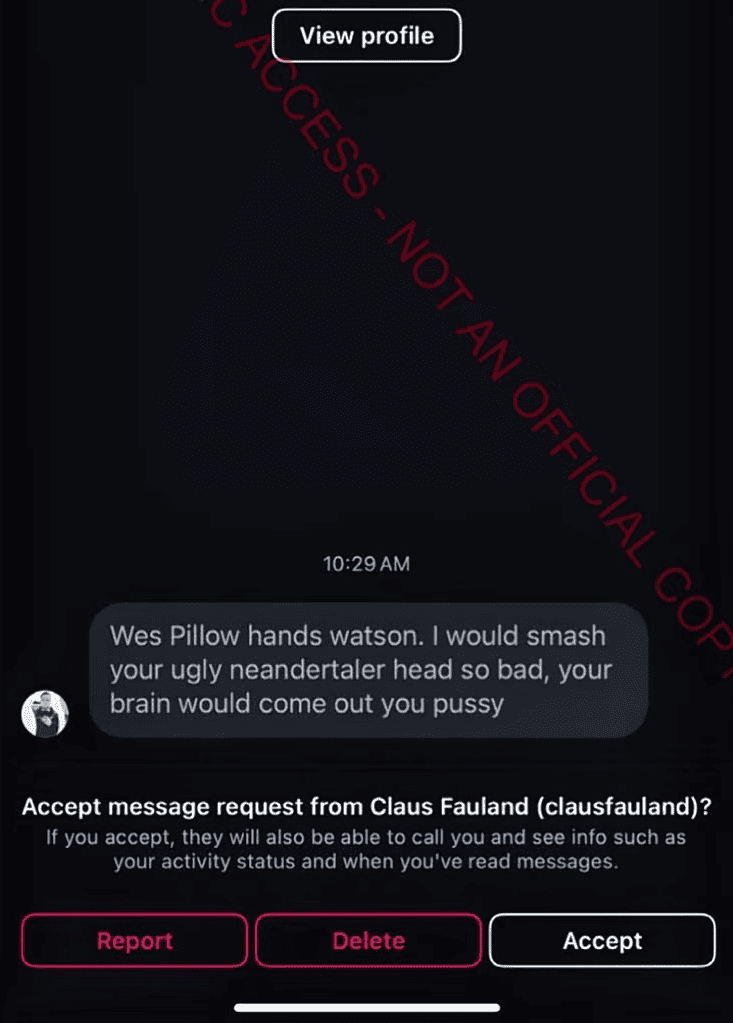
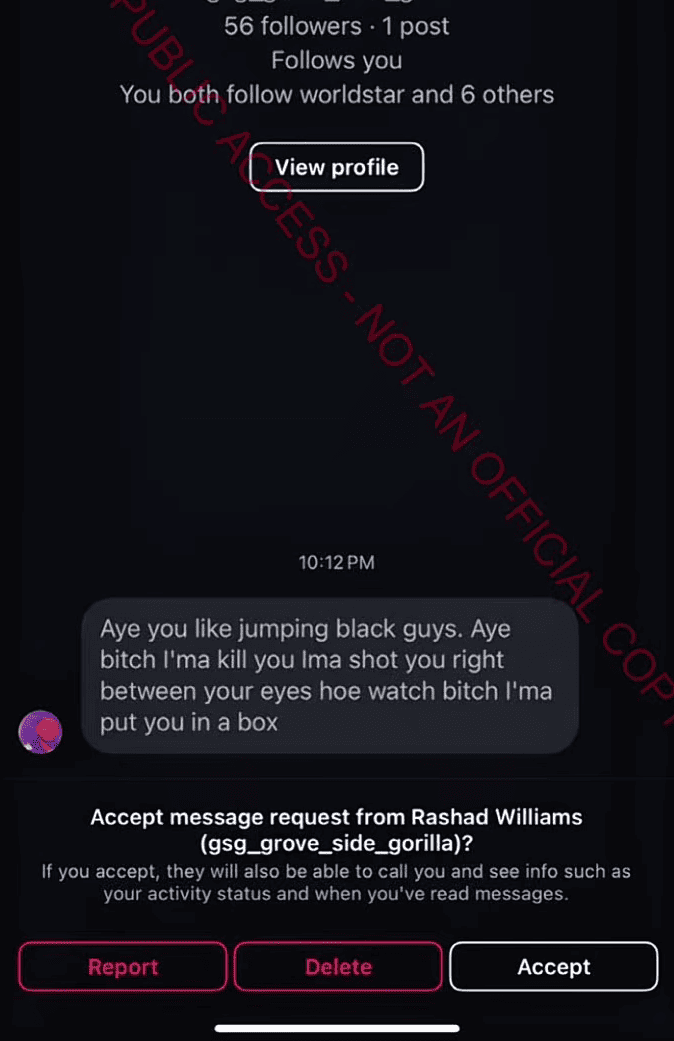
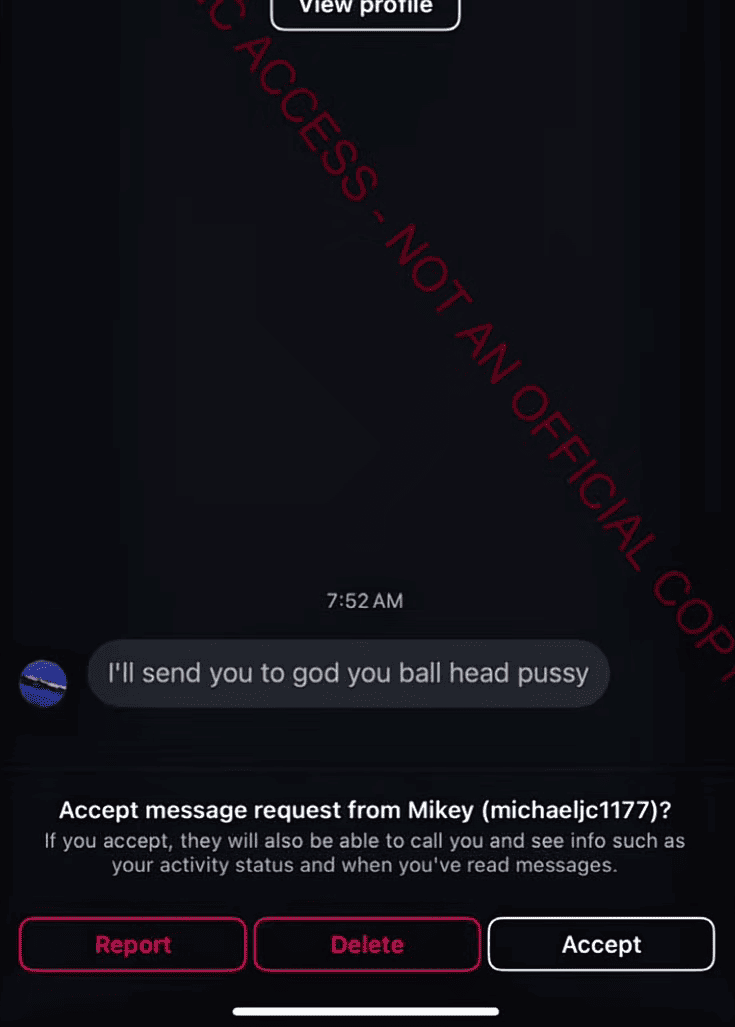
However, legal analysts note this raises questions about whether his response was based on the actual situation or assumptions from his online presence.
Florida’s stand-your-ground law features prominently in Watson’s defense strategy. The statute states that individuals who reasonably believe force is necessary have no duty to retreat. Watson’s attorneys argue that punitive damages would essentially penalize someone for exercising their legal right to self-defense.
The core legal question isn’t about the overall case outcome but whether Ibrahim has provided sufficient evidence to justify punitive damages. These damages are designed to punish conduct beyond ordinary wrongdoing and deter similar behavior. In Florida, this requires showing intentional misconduct or gross negligence at a clear and convincing evidence standard.
Watson’s team argues the evidence doesn’t meet this threshold. They contend Watson was “minding his own business” when Ibrahim approached him aggressively. “The fact that the plaintiff ended up losing the fight that he started cannot be grounds for punitive damages,” the memo states.
However, the opposition faces challenges. Ibrahim’s attorneys are expected to argue that Watson’s fear wasn’t based on Ibrahim’s actual conduct but on generalized online threats. They’ll likely emphasize that verbal provocation doesn’t justify excessive physical force, particularly when multiple people are involved.
The defense memo acknowledges Watson’s intention to introduce Instagram threats as trial evidence, attempting to paint a picture of constant danger. Yet this strategy could backfire if it appears Watson brought his online conflicts into a physical confrontation.
Deposition testimony shows Watson couldn’t clearly recall what Ibrahim said upon arrival, stating it was “something like fine, I’ll beat you up or I’ll beat your a*s. I don’t know exactly.” This vagueness may undermine claims of immediate, specific threats justifying the response.
While stand-your-ground provides protection from prosecution, punitive damages examine whether conduct crosses into truly blameworthy territory. The question becomes not just whether Watson was justified in using any force, but whether the amount and duration of force used was proportional.
If punitive damages are allowed to proceed, the case becomes significantly more serious for Watson. Such damages directly impact his finances and reputation, making settlement more likely.
