
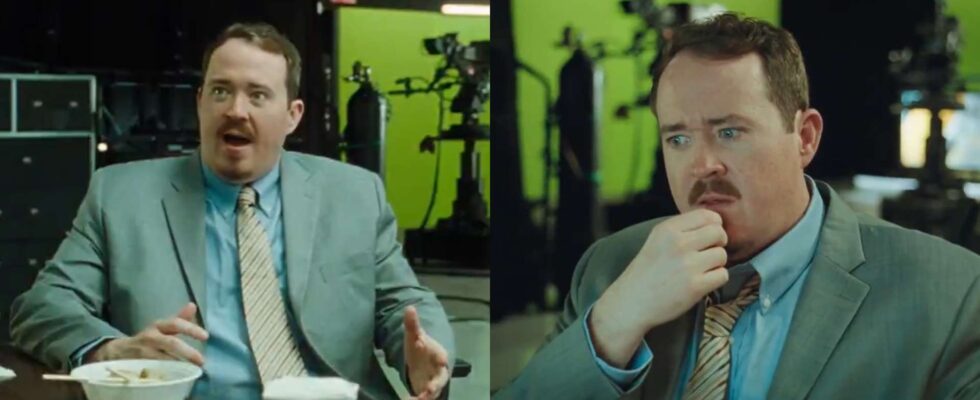
Shane Gillis appeared in a Kalshi commercial alongside Danny McBride, adding his name to a growing list of comedians lending their platforms to gambling and prediction market companies. The move puts Gillis squarely in the center of an accelerating trend that has audiences questioning where entertainment ends and exploitation begins.
The distinction between traditional sportsbooks and prediction markets matters to critics. Kalshi operates as a federally regulated exchange where users can place wagers on nearly anything: weather patterns, political outcomes, economic indicators, even military actions. It’s gambling dressed in a different regulatory framework, and to comedians like Stavros Halkias, that makes it worse.
“Now this gambling stuff that’s like you can gamble on anything. All that stuff, Polymarket, Kalshi, those people should be in jail,” Halkias said in a recent YouTube video. “Like the people who run that stuff.”
Halkias acknowledged his own early missteps. His podcast ran sports betting promotions when it first launched, but he and his co-hosts backed away within six months.
“Look, we did a little sports gambling in the beginning just because we were starting the podcast. I wasn’t thinking about it. We were on autopilot. And within like what six months, it just felt wrong and we stopped,” he explained.
His reasoning extends beyond personal discomfort. “I’ll advertise dumb stuff. I just don’t want to advertise things that are degrading the very fabric of our society,” Halkias said. “I think there’s going to be a big problem with gambling, for real. I think the statistics on like young men getting to gambling right now are out of control.”
That stance separates Halkias from much of the podcasting world connected to Joe Rogan’s orbit. Tony Hinchcliffe continues running ads for PrizePicks, a daily fantasy platform structured to avoid direct sportsbook classification. Rogan himself maintains a DraftKings sponsorship for The Joe Rogan Experience, an arrangement that sits awkwardly next to his repeated statements about not following traditional sports outside of MMA and boxing.
The friction surfaced during episode #2512, when Joey Diaz discussed the normalization of gambling while sitting across from Rogan, whose show carries one of the industry’s biggest brand names.
Diaz initially kept things light, confirming he places his wagers through DraftKings and describing basketball as his preferred betting target. But he quickly pivoted to broader concerns.
“It’s gambling has grown to a nightmare. We’re going to pay for this in 5 years,” Diaz said. He drew a comparison to predatory credit card companies that once set up shop outside college orientations, handing out lines of credit to students with no financial foundation. “And that now when you go to those orientation days, DraftKings is there. You know, the other ones, FanDuel’s there, and I’m not putting them down. I love DraftKings, but you’re copping these kids. These kids don’t have enough problems with student loans.”
Rogan offered little pushback during the exchange, despite his financial ties to the industry. On an episode with Brian Redban, Rogan claimed shutting down legal platforms would push users toward riskier alternatives.
“It’s not good to make it illegal because then people are just going to get it somewhere else, right? And bad versions of it. They’re going to go out and they’re going to support illegal gambling.”
That defense reads differently alongside Rogan’s own past statements comparing gambling to hard substance dependency and calling UFC CEO Dana White a gambling addict for the sums he’s wagered in single sessions. Rogan once recounted watching White lose and recover $600,000 at a blackjack table during a single night, framing it as evidence of the pull these activities exert.
The Weathermen @Kalshi https://t.co/kHkXXoG9A1
— Shane Gillis (@Shanemgillis) October 23, 2026
