
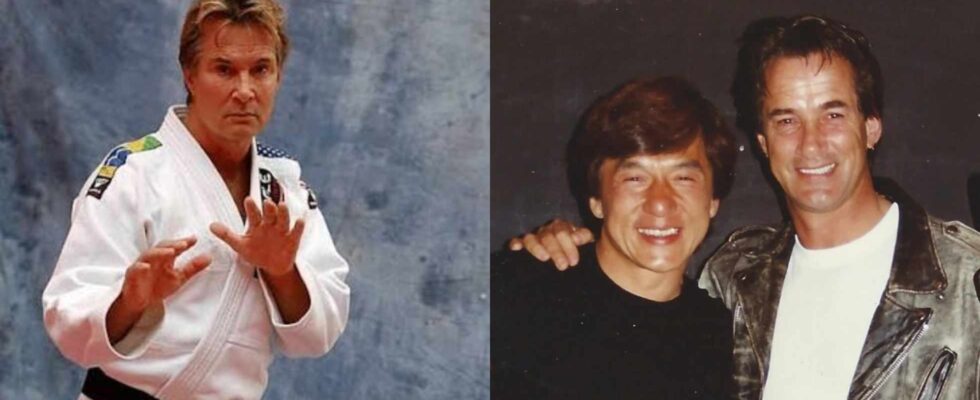
A coronial investigation has determined that legendary Australian martial artist and stuntman Richard Norton’s passing was linked to his use of unapproved injectable peptides, according to findings released in October 2026.
Norton passed away at age 75 on March 30, 2025, at Melbourne’s Alfred Hospital. He had been using peptide therapy to address ongoing health concerns including fatigue, reduced physical recovery, shoulder pain and loss of lean muscle mass.
Coroner David Ryan ruled that the actor’s passing was “triggered by” complications involving two peptide products: CJC-1295 and ipamorelin.
The coronial report revealed that Norton became unresponsive shortly after injecting himself with the peptides at his South Melbourne home. According to the findings, he had been administering doses that exceeded what his physician had prescribed.
“Norton had been taking amounts of the treatment in excess of the dose prescribed by his medical practitioner,” Coroner Ryan stated in his findings, as reported by the Daily Mail.
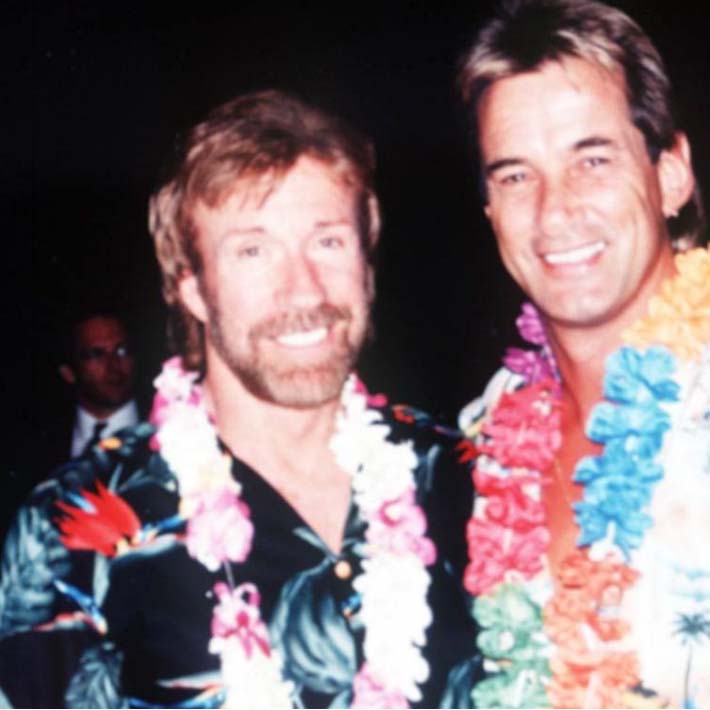
The inquiry found that Norton had sought peptide therapy after experiencing declining physical condition. His medical history included asthma, osteoarthritis and reconstructive surgery on both shoulders. These peptides, which are not approved by Australia’s Therapeutic Goods Administration, were prepared by a licensed compounding pharmacy in Queensland.
Norton’s physician, Dr Jerzy Muchnicki, had thoroughly discussed the treatment with his patient before proceeding. According to Coroner Ryan, “Dr Muchnicki discussed in detail what was involved with peptide therapy, including the experimental nature of the treatment.”
The coroner’s report continued: “They also discussed the potential risks and the lack of other alternative treatment options currently approved by the Therapeutic Goods Administration (TGA).”
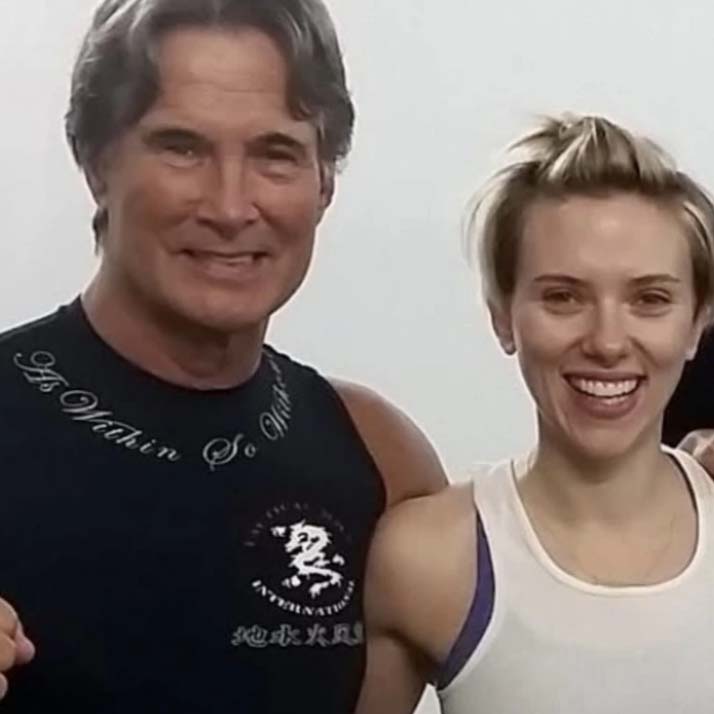
Dr Muchnicki took precautionary measures before beginning treatment. “Dr Muchnicki also arranged a series of blood tests to confirm baseline health parameters and assess for any contraindications or underlying conditions that may influence treatment decisions,” the coroner noted.
Norton signed an informed consent form acknowledging the experimental nature of the therapy and its associated risks before receiving the prescription.
In the days leading up to his passing, Norton had reportedly expressed satisfaction with the treatment, telling his doctor he was “feeling good” and that the therapy had improved his symptoms.
However, the coronial inquest uncovered that Norton had disclosed to a nurse at his doctor’s clinic that he was administering twice the prescribed dose. The nurse provided guidance to correct this.
According to the coronial report: “The nurse advised Richard that from the following week he ought to only administer the prescribed dose.”
Tragically just hours after that conversation, Norton injected CJC-1295 and ipamorelin and became unresponsive.
In response to the findings, Coroner Ryan has recommended that the TGA conduct a comprehensive review of the benefits and safety risks associated with peptides such as CJC-1295 and ipamorelin, and consider whether additional restrictions on their use are warranted.
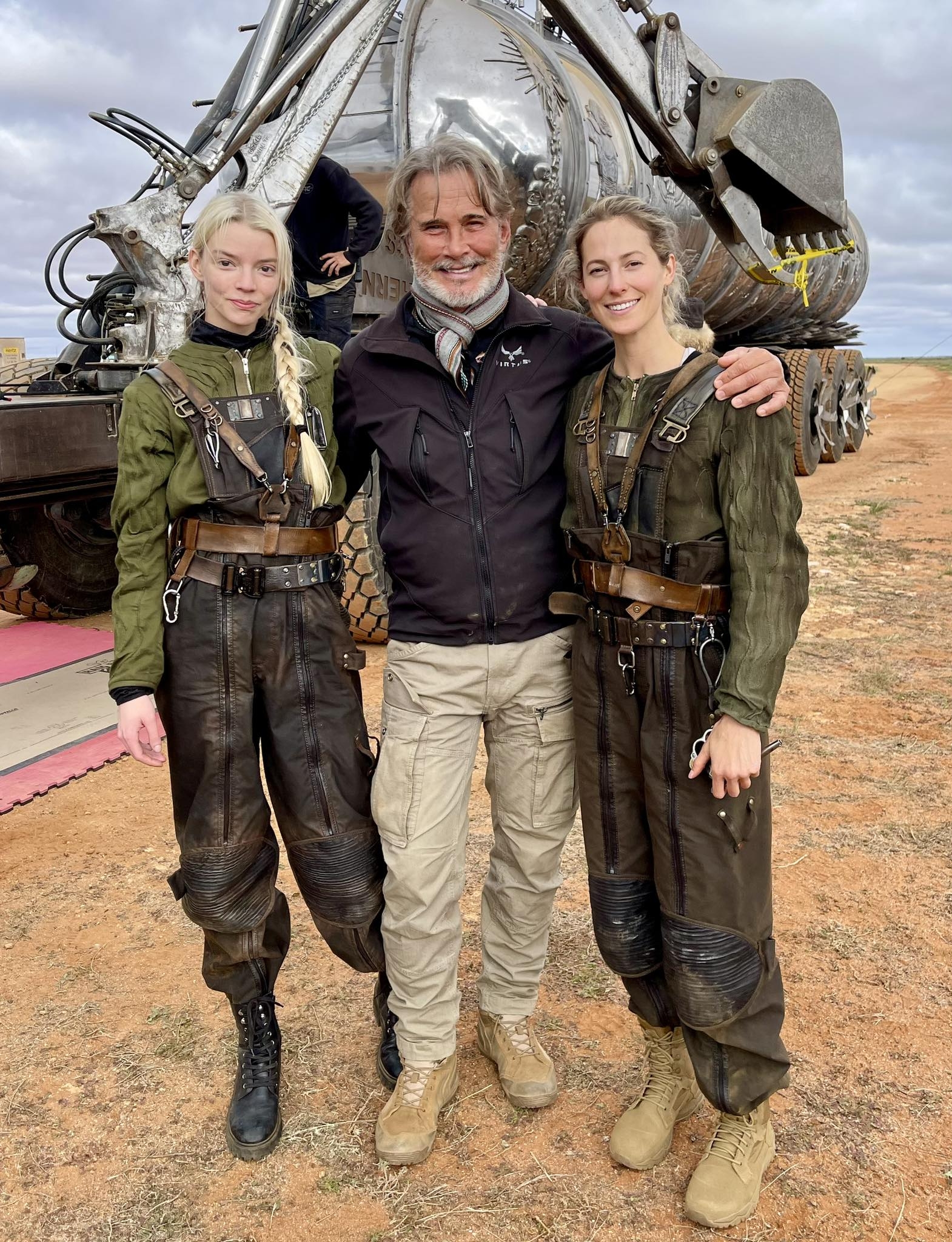
The TGA issued a statement following the coronial report, reiterating its position on unapproved substances.
“TGA continues to warn consumers about the risks of unapproved peptides, which have not been assessed by the TGA for safety, quality or effectiveness,” the regulatory body stated.
Norton’s passing is believed to be Australia’s first such case linked to unapproved peptides.
Norton’s passing represents a significant loss to the global martial arts and film communities. Born in Sydney in 1950, he began his martial arts journey with judo at age 11 and earned his karate black belt at 17. He trained in Brazilian Jiu-Jitsu for more than three decades and maintained deep connections within the martial arts world throughout his life.
In 1970, Bob Jones hired the young Norton as chief instructor at his Melbourne martial arts studio, which later evolved into Zen Do Kai. Norton’s influence extended beyond the training mat as he worked as a personal security guard for major music artists including The Rolling Stones, ABBA, Fleetwood Mac, David Bowie, Paul McCartney and Stevie Nicks. He even appeared as a bodyguard in ABBA’s 1977 Australian tour film, ABBA: The Movie.

His Hollywood career spanned decades and included work as an actor, trainer and action choreographer. He collaborated with prominent actors including Margot Robbie, Scarlett Johansson, Charlie Hunnam, Ben Affleck and Charlize Theron. His film credits included Mad Max: Fury Road, Furiosa: A Mad Max Saga and X-Men: Dark Phoenix, with one of his final acting roles appearing in Furiosa.
Speaking to the Sunday Herald Sun in 2023, Norton reflected on his career trajectory. “I did 60 movies in the ’80s and ’90s but the older you get the less roles there are unless you are playing someone’s dad or an aging gangster, and I get that,” he explained.
He continued: “I was lucky enough to learn what it is like behind the camera and that is where my main career is now.”
Despite his shift toward behind-the-scenes work, Norton remained deeply engaged with Melbourne’s martial arts community, teaching seminars and classes until his final days.
Norton’s wife Judy Green, whom he married in 1993, announced his passing in an emotional Instagram post. “I am numb and devastated, I have no words, I have lost my everything,” she wrote.
Green continued: “I know there is, and will be lots of love and shock that we have lost this incredible human being. The love of my life. I’m using this time to come to terms with my great loss.”
