

Lucas Lifts, a fitness influencer known for his transformation journey collapsed during the Olympia Expo after experiencing a seizure that resulted in spinal fractures. The incident which was filmed by bystanders has sparked concern about the dangerous lengths some social media personalities go to in pursuit of physical gains.
The seizure occurred on the expo floor, causing Lucas to fall and fracture bones in his spine. While some at the scene speculated about different causes, Lucas himself later clarmed the episode stemmed from excessive stimulant consumption rather than his use of PEDs.
According to his account, he had been consuming 2,000 to 3,000 mg of caffeine daily while sleeping only two to three hours per night and taking modafinil, a prescription stimulant.
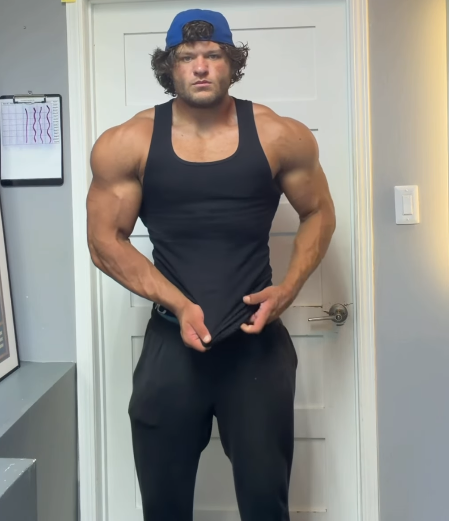
Medical guidelines from the FDA establish 400 mg as the threshold where negative caffeine effects begin, with seizure toxicity occurring around 1,200 mg during rapid consumption. Lucas’s daily intake was seven times the recommended limit, creating a dangerous physiological environment when combined with severe sleep deprivation and other compounds.
The influencer’s admitted regimen included 1,000 mg of testosterone weekly, 1,000 mg of Equipoise weekly, 100 mg of Anadrol daily, 70 mg of Anavar daily, and 20 mg of Superdrol daily. This totals nearly 3,000 mg of anabolic compounds per week, far exceeding typical performance-enhancing protocols and exponentially higher than the 150 mg weekly testosterone replacement therapy dose. He also reported using 10 IU of growth hormone daily and 30 IU of insulin.
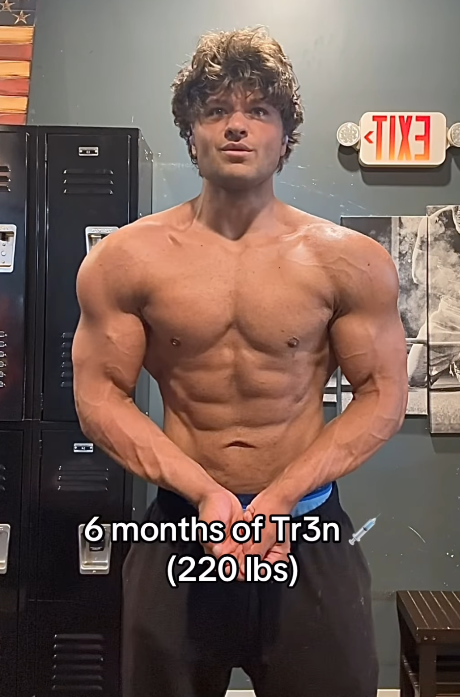
Despite claiming “perfect blood work” and attributing the seizure solely to caffeine, critics note that standard blood panels cannot reveal changes in heart morphology, brain function, or organ structure that imaging would detect. The disconnect between his stated health markers and the severe medical event raises questions about the adequacy of his monitoring.
Following his hospital discharge, Lucas documented concerning behavior including falling asleep while driving home and experiencing what may have been another nocturnal seizure based on symptoms he described. Rather than modifying his approach, he appeared to celebrate the attention his medical emergency generated online.
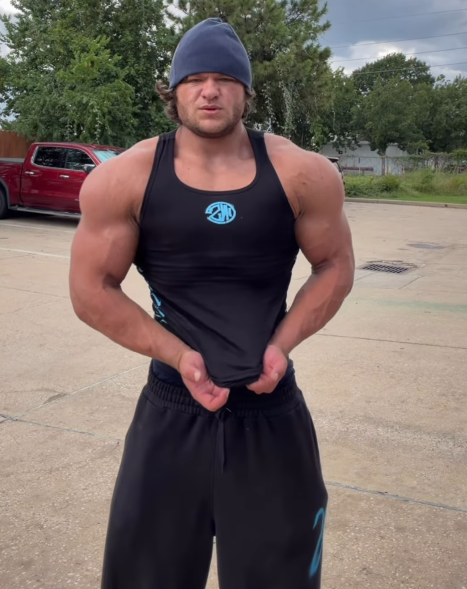
The case highlights a troubling pattern among fitness influencers who prioritize social media engagement over health. Lucas’s transformation from his earlier natural physique has been marked by rapid changes that medical professionals warn cannot be sustained safely with his current practices.
Experts emphasize that young people inspired by such content should understand the hidden costs behind viral transformations. The path to legitimate fitness progress does not require pharma enhancement or stimulant dependence, and the temporary visibility gained through reckless behavior rarely translates to lasting success or wellbeing.
