

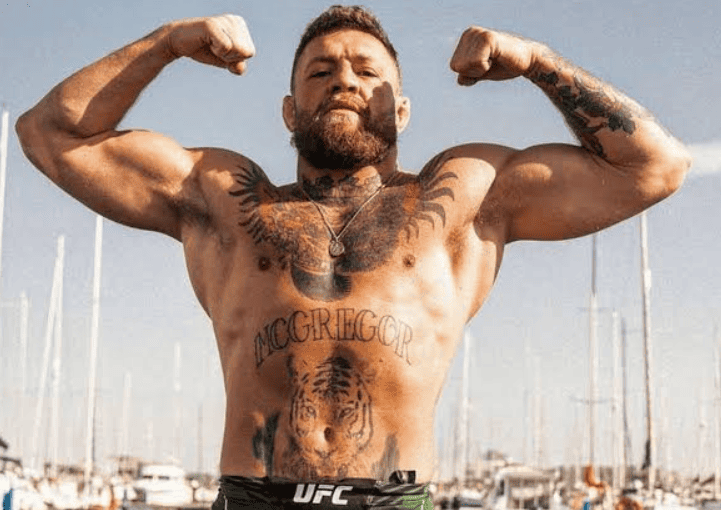
A New York Times investigation has raised significant questions about Conor McGregor’s use of PEDs, reporting that two people familiar with the matter say the Irish MMA star continued taking both anabolic roids and human growth hormone well after his broken leg had fully healed.
According to the investigation, McGregor reportedly told UFC officials he had no intention of stopping the treatnent because he simply enjoyed how they made him feel and valued the energy boost they provided.
McGregor fractured his leg in July 2021 and spent more than two years outside the UFC’s anti-d*ping testing pool as a result. Anti-d*ping specialists have noted that athletes not subject to testing can legally use banned PEDs without risking a suspension, a loophole that, in McGregor’s case, may have remained open for an unusually long stretch. He did not re-enter the testing pool until October 2023.
April Henning, a researcher at Heriot-Watt University, did not hold back when asked about the situation.
“This is a nightmare if you’re concerned about fair sport,” she said, adding, “There’s the potential he’s still getting an advantage from these d**gs, and that’s the unfairness we’re trying to prevent.”

Her concern is grounded in science. Exercise physiologists and anti-d*ping experts widely regard the combination of anabolic roids and human growth hormone as among the most potent performance-enhancing protocols available, capable of accelerating the development of muscle, tendons, ligaments, and soft tissue. More troubling for regulators, some researchers believe the gains produced by such protocols may not simply disappear when the PEDs stop.
Keith Baar, an exercise physiology expert cited in the report, noted that animal studies suggest the physiological benefits from these d*ugs may continue for an extended period even after they are no longer being taken. Controlled human studies in this area remain limited, largely for ethical reasons, meaning the full long-term picture is still not well understood.
The report also highlights legal questions surrounding the prescription of human growth hormone in the United States. Under federal law, the FDA defines approved medical applications for the d**g narrowly, and healing a fractured bone does not fall within them.
Nevertheless, the Times investigation says at least one specialist prescribed McGregor human growth hormone and at least one anabolic roid following consultations during his recovery period. Neal ElAttrache, the surgeon who performed McGregor’s operation, previously stated his support for McGregor’s use of those d**gs during rehabilitation and reportedly wrote a letter backing an application for a therapeutic-use exemption. That exemption was never granted.
Since returning to the testing pool, McGregor has not been without scrutiny. According to the report, he missed three tests after re-entering the program. The UFC later issued an 18-month suspension tied to those missed tests, though it was backdated in a way that allows it to expire in July 2026, clearing the path for his return to competition.
McGregor’s manager, Audie Attar, pushed back on any suggestion of wrongdoing. “As confirmed by the UFC, Conor has been in full compliance with the rules of its comprehensive drug program and stands by his extensive history of testing,” Attar said.
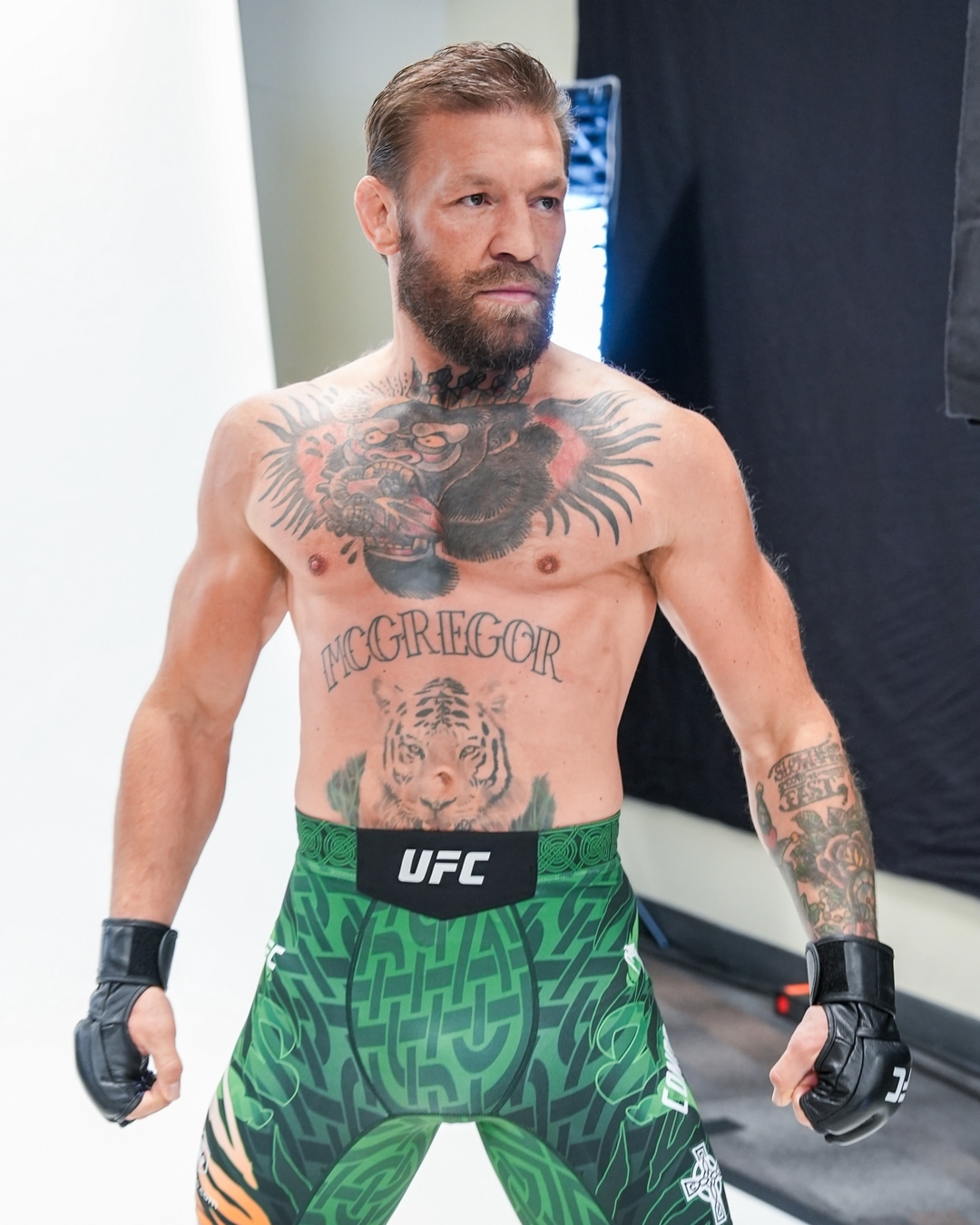
The UFC echoed that defense, noting that McGregor “sustained a potentially career-ending injury and sought medical guidance, who advised the appropriate recovery and rehabilitation protocol.” The organization also pointed to the volume of testing McGregor has undergone since his return.
“Did not compete for five years and has been tested 22 times over the last two years… All samples that he provided… were reported as negative,” the league stated, noting that 15 of those tests came in 2026 alone, with 32 total samples returned negative.
McGregor, in a June interview, framed his recovery in personal terms. “To be able to play with my children in a normal capacity again,” he said, describing what drove him through the rehabilitation process.
