
Seven years removed from the UFC, former lightweight contender Myles Jury is finally laying out the full picture of what life looks like when the cage door closes for good.
Jury, who built a reputation as one of the sharper strikers in the lightweight division during his MMA career, recently reflected on the emotional, financial, and psychological toll that retirement takes on athletes.
His candid account touches on a conversation gaining visibility in combat sports, one most recently brought back into focus by Dustin Poirier’s admission that stepping away from the game has been harder than expected.
For Jury, the single biggest challenge was losing his sense of purpose.
“For decades and decades, I woke up every day training to be the best in the world,” Jury said. “Each camp, each training session, and each match was a part of my overall mission to be a world champion. And once you stop competing, that’s all taken away from you and nobody prepares you for it.”
Without a mission, the mental side unraveled quickly. The natural high that came from sparring, grappling, and stepping into the cage was something Jury found nearly impossible to replace. Many athletes, he notes, turn to partying or other fast-lane distractions to fill the void.
“I tried distracting myself with drinks at times, but I ultimately still felt lonely and lost since retiring,” he said. “The reason why I felt like I was spiraling out of control is because I didn’t have that outlet anymore. That natural d**g, that natural high that I was used to chasing since I was a young kid.”
The financial drop-off is equally jarring. Athletes grow accustomed to purses of $50,000 to $100,000 or more per match. When those stop, there is no residual income, no sponsorship money, and no discretionary bonuses to fall back on.
Jury says he was prepared, but acknowledges many are not, with some going broke quickly and others forced into work they never envisioned for themselves.
There are genuine rewards on the other side, though. Retirement gave Jury time with his children that competing never allowed. He takes them to school, attends their events, and is fully present in their lives. He has also grown his real estate portfolio and expanded his monthly cash flow, building a new identity around fatherhood, investing, and coaching.
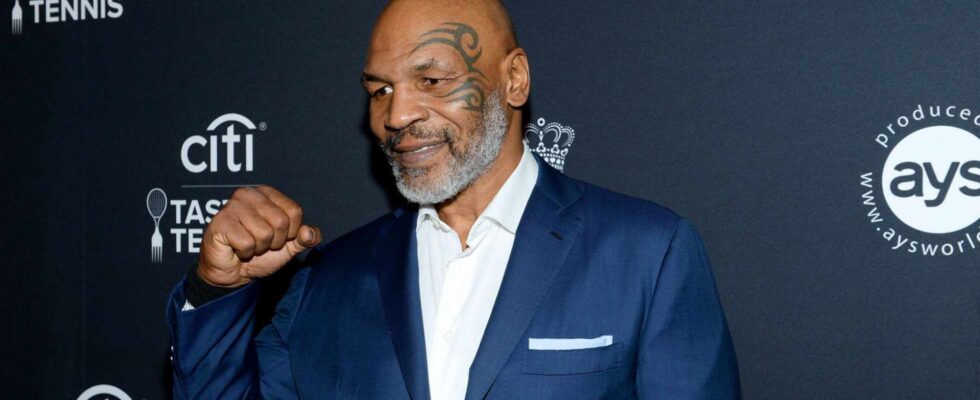
Still, the emotional weight of walking away is hard to fully put into words. Jury turns to Mike Tyson to say what few athletes will openly admit.
According to Jury, Tyson summed it up plainly: “I feel like a b**ch.”
“When you’re used to fighting the best guys in the world, getting that high, competing all around the world, and then you go to a civilian life, it’s a total change of reality,” Jury said. “Truthfully, I can relate to that. Some days, you do feel like a bitch.”
He also referenced a widely held belief among athletes: that they face two deaths, one when they physically pass, and one at retirement.
“A part of you really is dying off,” Jury said. “The part of you that used to wake up, hit those sprints, step in that cage, and fight for a living. You’re not doing that anymore.”
