

Fitness influencer Husein Farhat recently announced he’s no longer natural after years of adamantly defending his status. In a lengthy video, he revealed he’s begun taking retatrutide, an experimental GLP-1 peptide, while simultaneously arguing this doesn’t disqualify him from being considered natural.
Farhat opened his video acknowledging the controversy: “Today, some of you are going to think that you’re right. Well, you weren’t. All right? But I still owe you the truth.”

He then disclosed: “I’ve never taken any roids and I always said if I ever start taking anything, you’re going to hear it from me first. And today, I’m keeping that promise. I started taking retatrutide.”
His justification centered on productivity rather than performance enhancement. “The hard part was always the food and the diet,” Farhat explained. “I started looking into something that could make that part easier for me. You know, make me be able to focus on work content and at the same time stay relatively lean without thinking about food all day.”
Farhat attempted to distinguish peptides from anabolic compounds. He stated, “Peptides are literally made up of amino acids which are the exact same building blocks that make up protein.”
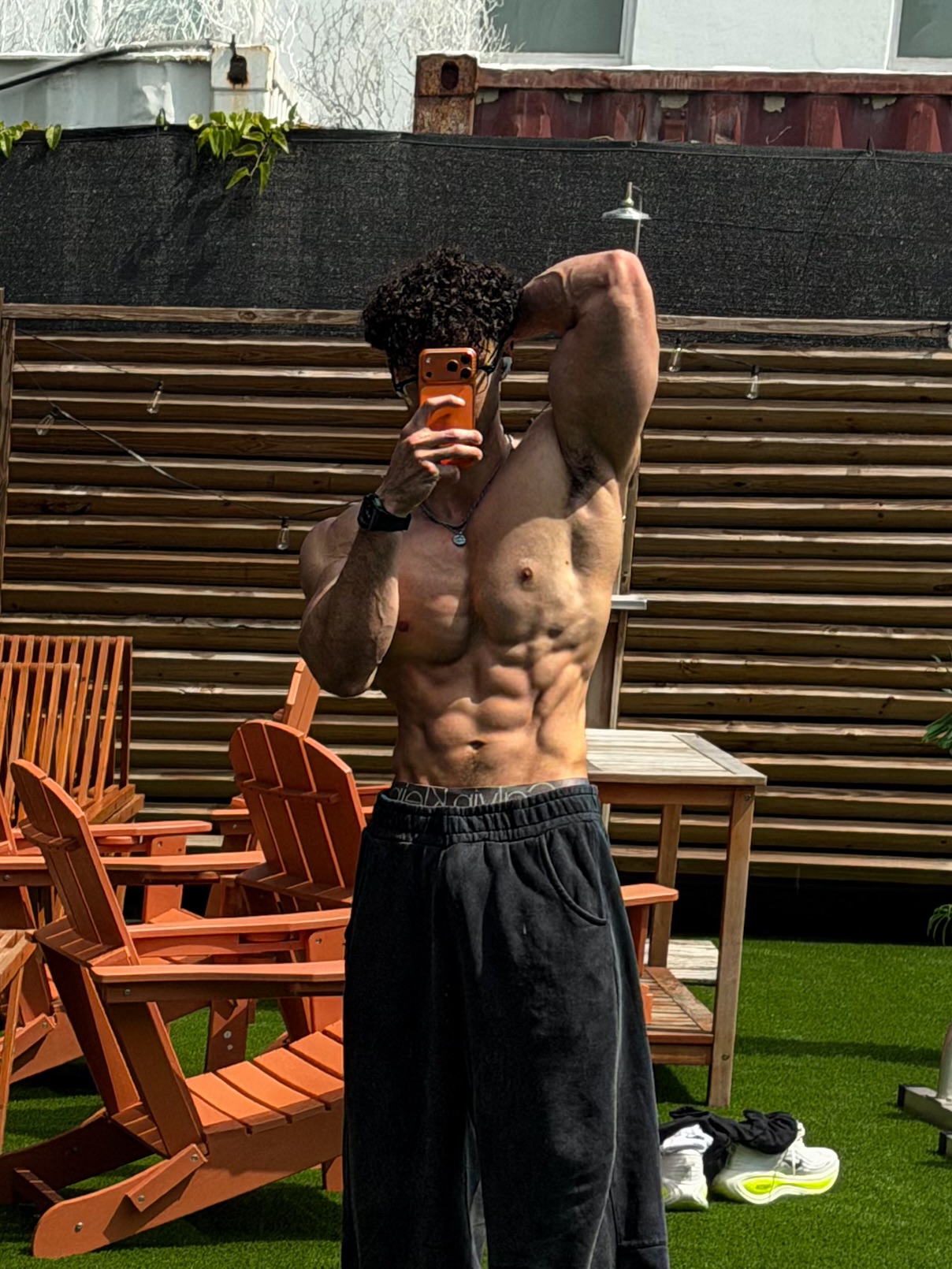
He then noted, “I’m not telling you to take this. I’m not recommending it and definitely not if you’re under 18.”
Regarding his natural status, Farhat stated, “Retatrutide isn’t specifically named on WADA’s prohibited list, which is a list that they use for the Olympics and a lot of PED tested sports.” This formed part of his argument for maintaining natural status despite using the compound.
The effects were immediate.
“Within a couple hours of taking it, I was already noticing a difference in my appetite,” he said. “I’m eating around the same amount of calories and I honestly don’t even feel like I’m dieting. If anything, I’m even sometimes struggling to eat enough to hit that calorie target.”
The skepticism stems from several factors. First, Farhat previously offered substantial sums to prove his natural status, famously declaring: “I’ll bring it from 100K to half a million. To anyone that wants to test me for a full year and prove that I’m not natural.”
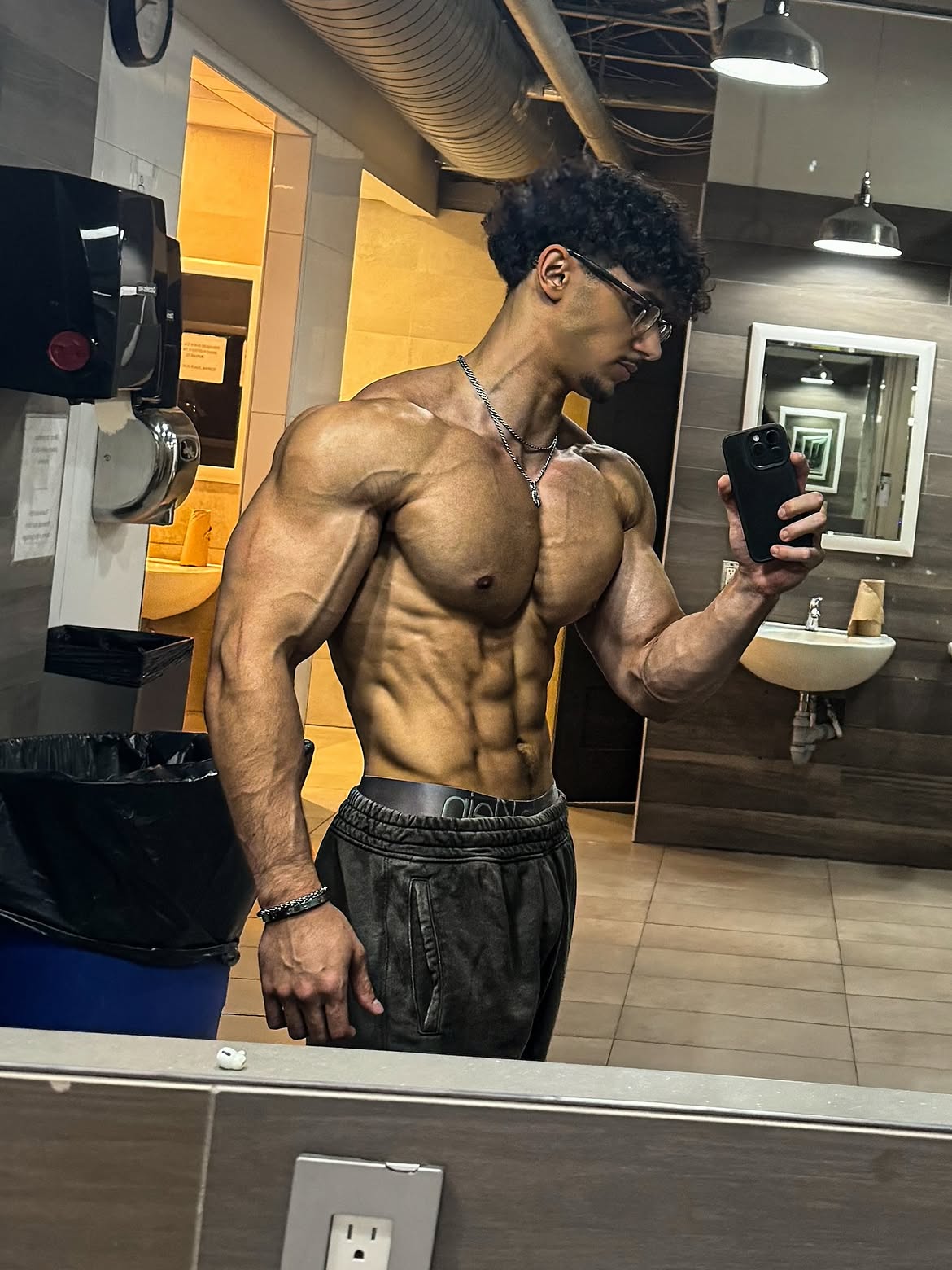
This makes his current admission feel contradictory to many observers, even though he technically never tested positive for prohibited PEDs.
Second, blood work and polygraph tests have significant limitations. Peptides don’t always appear on standard testing panels, and polygraphs are considered 50% to 65% unreliable in legal settings. A truly comprehensive testing protocol would require random monthly tests with observation at considerable expense, making previous claims of definitive proof questionable.
Third, retatrutide provides tangible advantages in physique competition. Studies involving 2,339 adults over 80 weeks showed effective appetite suppression, though adverse effects included diarrhea in 33% of participants at higher doses, nausea in 28%, and heart rate increases that peaked after 24 weeks. The compound makes calorie restriction substantially easier, which many consider an unfair advantage in natural competition.
The gateway concern also looms large. Learning to source and inject peptides creates a pathway to other PEDs. When someone experiences immediate benefits from an injectable compound, the threshold for trying additional substances lowers considerably.

Perhaps most significantly, Farhat admitted struggling to meet calorie targets while already in a deficit. This raises concerns about muscle and bone density loss, common problems when GLP-1s are used without proper nutritional guidance. The long-term implications of an experimental compound in lean individuals remain unknown, as research has focused on individuals with obesity rather than bodybuilders.
