
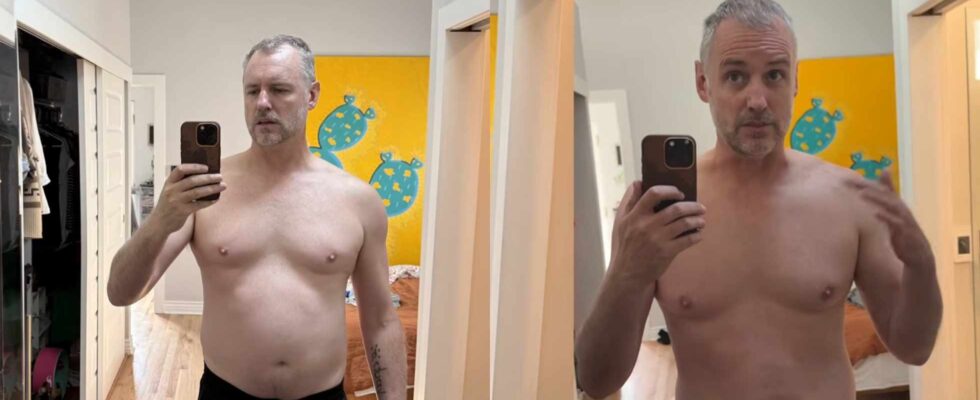
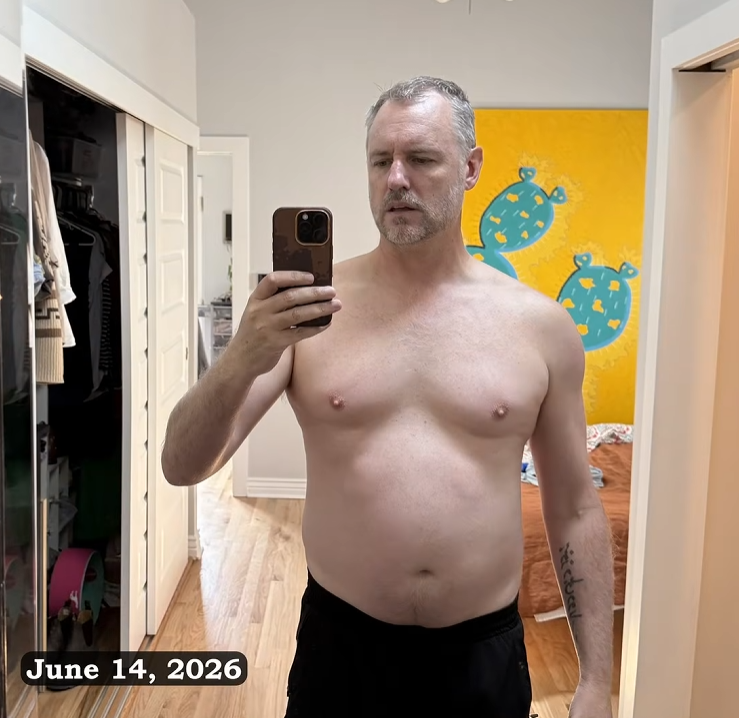
Scott Carney set out to investigate the controversial world of peptides with the skepticism of a seasoned journalist. Four months later, he found himself 24 lbs (10 kg) lighter and fundamentally changed in his perspective on weight loss medications.
At 220 lbs (99 kg) and admittedly overweight, Carney consulted his doctor about GLP-1s like tirzepatide, sold under brand names Zepbound and Mounjaro. While these treatments have revolutionized weight loss treatment, their monopoly pricing posed a significant barrier.
Brand-name versions cost $1,000 monthly, or $500 through subsidized programs. His doctor offered an alternative: compounding pharmacies, where the same treatment could be obtained for a fraction of the cost.
Compounding pharmacies operate under FDA oversight, producing their own versions of GLP-1 treatments and delivering them for around $150 monthly. Carney ordered from one such pharmacy, and despite initial reservations about quality control, began his treatment.
The results were immediate and remarkable. Within a day, his relationship with food transformed entirely. He craved protein over carbohydrates, and his appetite decreased naturally without the struggle typically associated with dieting.
“It wasn’t just that my appetite decreased, but I craved different kinds of foods. Instead of a burger, I wanted a chicken salad,” Carney explained.
The treatment even affected his wife indirectly. She found herself eating smaller portions now that her husband wasn’t consuming food at his previous pace, resulting in her own unintended five-pound weight loss.
Over two and a half months, Carney dropped from 220 to 206 lbs (99 kgs to 93 kgs), deliberately maintaining a lower dose than typically prescribed to avoid the gaunt appearance known as “Ozempic face.” He discovered that the standard clinical progression to 15 mg weekly seemed unnecessarily aggressive for his goals.

However, after a three-week trip to Ireland where refrigeration requirements prevented him from bringing treatment, everything changed. When he resumed treatment with a new batch, he experienced severe reactions including intense nausea, stomach cramping, and temperature regulation issues that left him unable to get off the floor one morning.
An urgent care visit ruled out serious complications like pancreatitis and gastroparesis, but the doctor suspected issues with the formulation itself. The compounding pharmacy stopped communicating once he reported his reaction, leaving him without answers or support.
Faced with this setback, Carney confronted a dilemma. He could pay $500 monthly for the brand-name version with less control over dosing, or find another solution. Surprisingly, he turned to an earlier investigation he had conducted on gray market peptide suppliers.
Despite catching one company misrepresenting their operations, independent lab testing had shown their products were accurate and uncontaminated.
After consulting with medical professionals and researching supply chains, Carney made an unexpected choice. He began sourcing tirzepatide powder from a gray market supplier, compounding it himself at home with sterile water and syringes. This method eliminated temperature transportation concerns and cost significantly less while giving him complete control over dosing.
“I never expected to be here,” Carney admitted. “I thought pretty hard about whether or not I should promote this company in this episode because on one hand, they are obviously not completely above board.”
One month into self-compounding, he reached 196 lbs (88 kg) with no adverse reactions, maintaining a 4.5 mg weekly dose. His target is 190 lbs (86 kg), after which he plans to maintain rather than continue losing weight.
Carney’s journey illustrates the complex reality of modern weight loss treatment. GLP-1 treatments represent genuine medical breakthroughs, but access remains limited by cost. Compounding pharmacies offer middle ground, though quality concerns persist. Meanwhile, gray market suppliers operate in legal ambiguity, yet may provide viable alternatives for those willing to accept the risks.
