
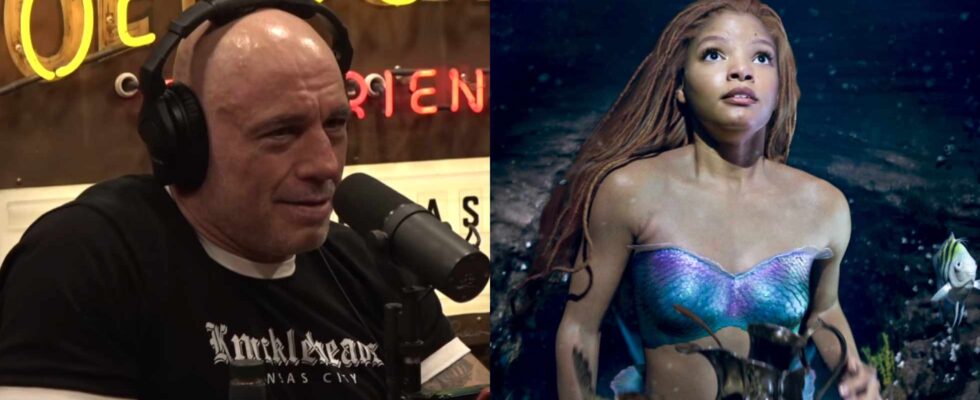
Joe Rogan argued that the entertainment world could eventually return to an era of strict political correctness, but said comedians and independent creators would still have opportunities outside the traditional system.
Speaking with comedian Joe DeRosa on The Joe Rogan Experience, Rogan reflected on the changing relationship between Hollywood, comedy and online platforms. The discussion centered on how performers can now build careers without relying entirely on studios, television networks or established entertainment institutions.
“I think the mainstream of entertainment could become the, for lack of a better term, wokest whatever,” DeRosa said. “That whole thing could come back of PC culture and whatever, and they could tell any one of us or all of us, you guys are out. There’s no way you’re going to get anything on str3amers or anything anymore.”
Rather than viewing that possibility as a career-ending threat, DeRosa said many comedians would remain financially secure because they had already developed direct relationships with audiences.
“We’d all still be fine because we all said we found another lane,” he added. “So f**k it. It doesn’t matter.”
Rogan agreed that the alternative comedy and podcasting space had become significantly larger than the older entertainment pathway.
He stated, “It’s a bigger lane, too. Way bigger.”
Rogan then said that the appeal came from the lack of heavy editorial control. “It’s authentic,” he said. “It’s real and it’s not curated. That’s what people want.”
That difference, according to Rogan, is central to the success of podcasts, comedy clubs and video platforms. Performers can present their ideas directly, while audiences decide whether the material is worth their time.
Rogan supported his point by giving an example, “Meanwhile, it’s [YouTube] come up with some of the greatest talents. Like that guy who made Obsession came straight out of YouTube.”
The system is less dependent on awards campaigns, casting decisions or approval from a small group of executives.
Rogan also pointed to the growth of live comedy communities, particularly in Austin, where performers can develop their material through regular stage time and support from other comics. He described comedy as both an individual pursuit and a collaborative environment, with performers helping one another improve.
