

Joe Manganiello has spent years fielding the same accusation every time a new photo of him surfaces: that physique, people insist, did not come from a gym alone.
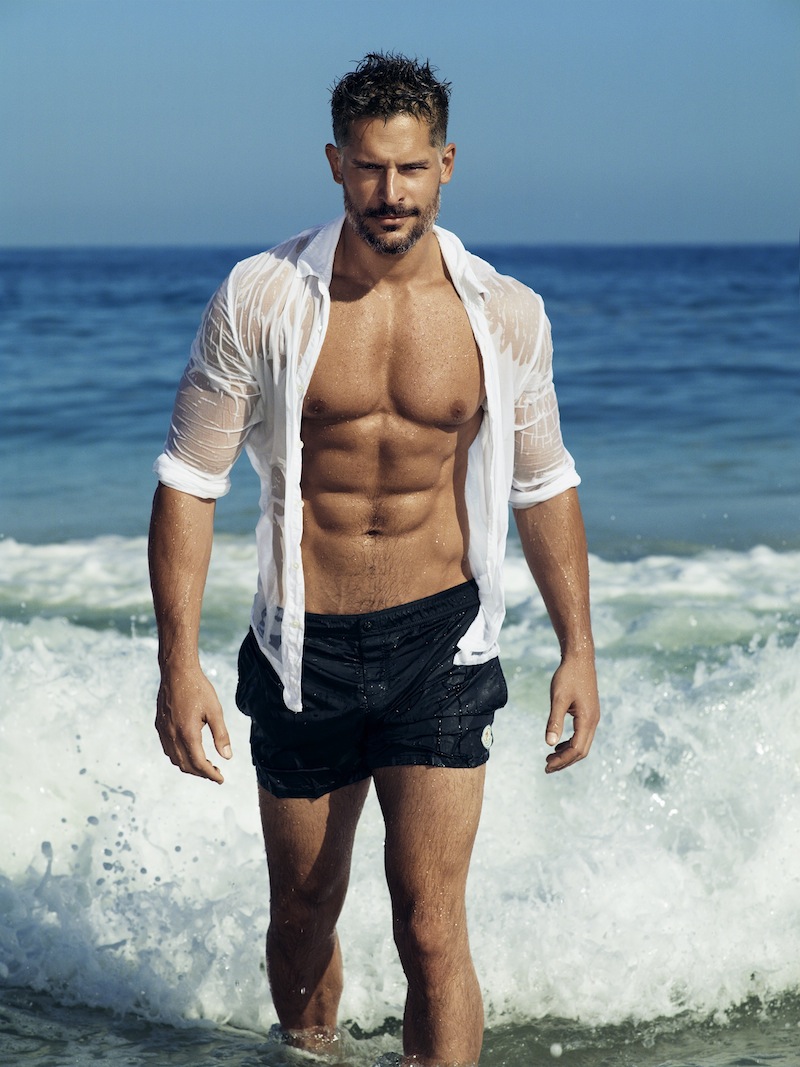
The debate resurfaced in January 2025 after a Dungeons & Dragons themed post on social media put his cover-model frame next to AEW star MJF, prompting a user to argue that Manganiello’s image had been “heavily doctored and airbrushed by professional magazine editors.”
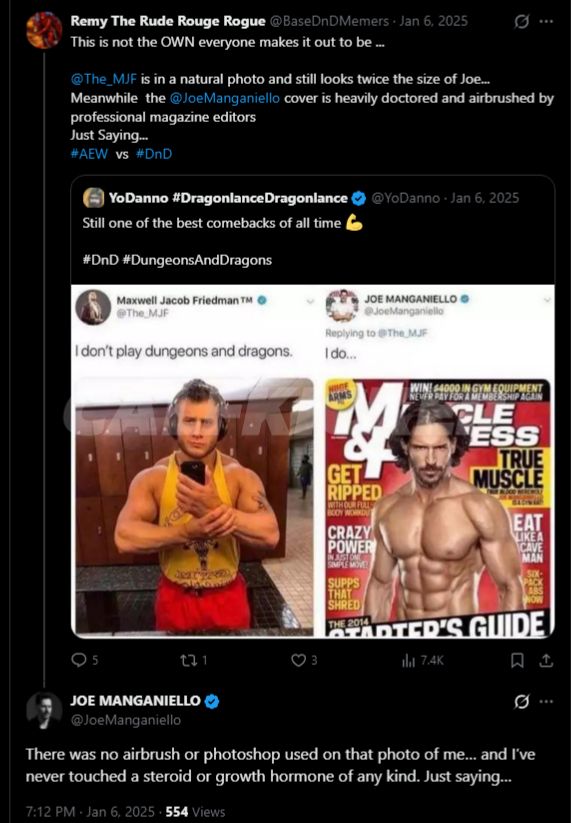
Manganiello answered directly on Twitter: “There was no airbrush or photoshop used on that photo of me, and I’ve never touched a roid or growth hormone of any kind. Just saying.”
The same user pushed back, clarifying that the comment was about retouching software, not performance enhancers, and noting how much prep work goes into a magazine shoot compared with a casual gym photo.
Manganiello wasn’t having it.
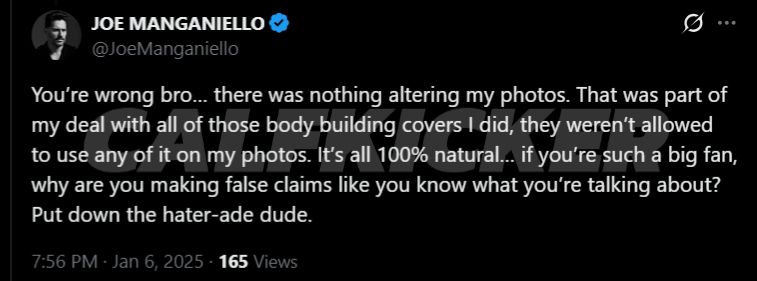
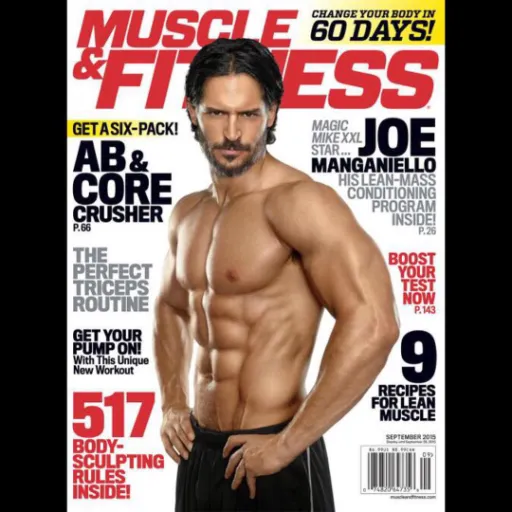
“You’re wrong bro, there was nothing altering my photos,” he wrote. “That was part of my deal with all of those bodybuilding covers I did, they weren’t allowed to use any of it on my photos. It’s all 100% natural. If you’re such a big fan, why are you making false claims like you know what you’re talking about? Put down the hater-ade dude.”
That back-and-forth is only the latest chapter in a much longer argument that has followed Manganiello since his transformation from a forgettable supporting player into a 6’5″, broad-shouldered leading man.
Online communities have picked apart his measurements for over a decade, debating bicep size, estimated body fat, and whether a frame like his is realistically built without pharma help.
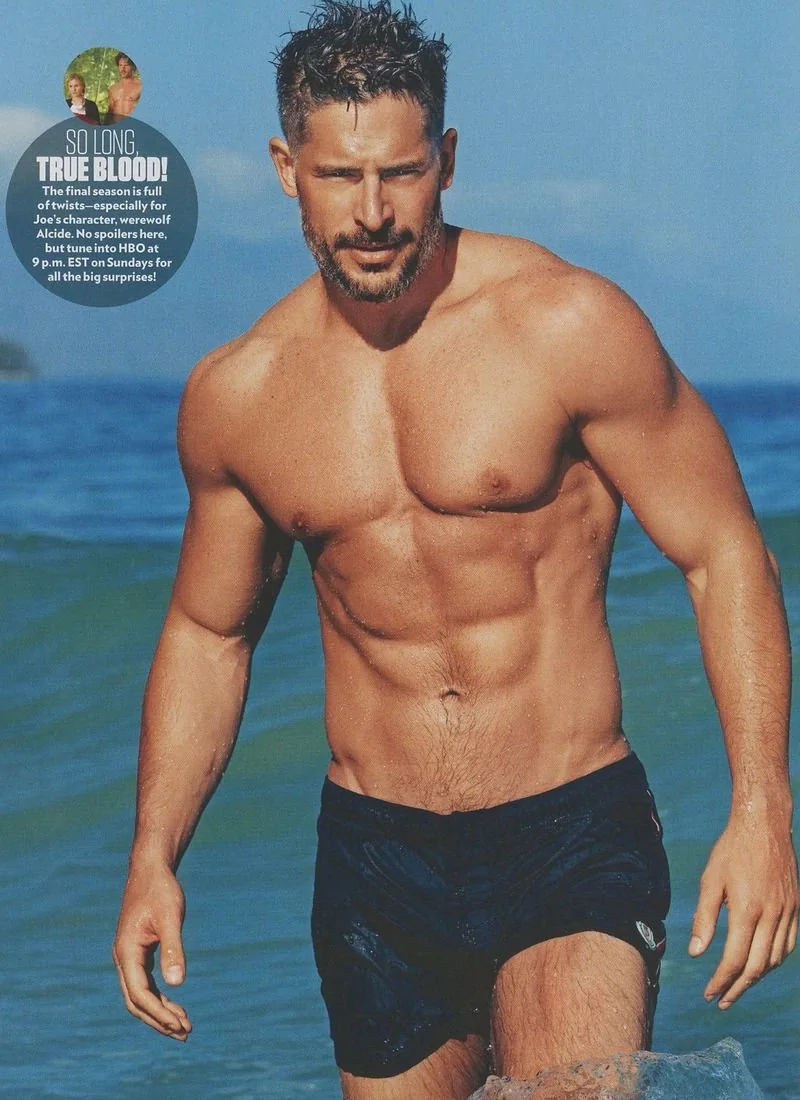
Some pointed to his dramatic change since his early film work as proof something else was going on. Others argued that a decade of disciplined training and eating can account for forty pounds of added mass on a tall, genetically favorable frame, no shortcuts required.
What nobody in that argument knew is that Manganiello was privately working on his health during the very years he was being held up as a fitness ideal. His new memoir Bloodlines and a recent appearance on the Rich Roll Podcast, pull back the curtain on an autoimmune illness that doctors could never fully name and that nearly cost him his life.
He described the onset in visceral terms. “My skin, there’s something going on. I have like multiple rashes,” he said. “And then all of a sudden the blood starts, and once the blood starts, something’s wrong.”
The disease eventually took a devastating toll on his digestive system.
“They found that my large intestine was pus. The whole, it was a bag of pus. It was ready to explode,” he said.
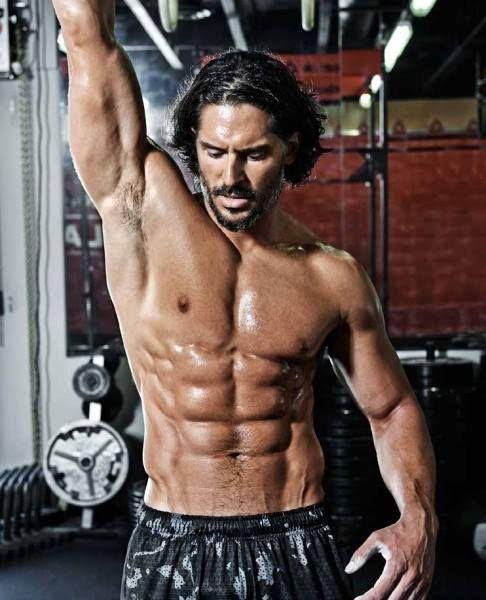
At his lowest point, the body that had graced magazine covers looked nothing like its public image. He noted, “I was starting to drop weight at this point and my skin looked like it was paper, like it was see-through. My lips were blue.”

He also opened up about how disorienting it felt to be praised for a physique while quietly falling apart underneath it. Rebuilding his body for a role as Batman villain Deathstroke became its own test of will, and he credits structured eating rather than any outside assistance.
“You’re going to hire a chef and you’re going to tell this guy to feed you every 60 to 90 minutes 30 to 40 grams of protein the way you know how. Your body can process that much,” he said. “After a month, I gained back 40 of the 60 lbs (18 kg of 27 kg).”
The treatment itself came with its own weight to carry, including a stretch on prescribed pain medication and biologic therapy that he says left him wrestling with dependency fears.
Manganiello spent nearly a decade battling a mysterious autoimmune condition that doctors could never fully diagnose, cycling through biologics, multiple surgeries, and an eventual bag that diverted his digestive system. Western medicine he says, never found the root cause.
What finally broke the cycle, he claims, was a combination of ancestral reckoning and the help of an Australian shaman.
Before any resolution, Manganiello described traveling to Ecuador and Cuba to work with a Santeria Babalao, believing he might be cursed.
“There were ancient African rituals that were performed on me in case I was cursed,” he said. “This Babalao became mounted by an African spirit on multiple occasions around me, and things came out of his mouth that he could never have known. So there is, there’s something to it.”
He later learned he carries direct ancestry to enslaved West Africans on his father’s side, tying those rituals to his own bloodline in ways he says could not have been coincidental.
The real shift he said, came after a breaking point in a hotel room while working on a film, when he refused doctors’ orders to undergo another surgery to divert his system. From there, his body slowly stabilized, weight returned, and pain subsided.
The shaman entered the picture after that recovery had already begun. Through breathwork and additional healing sessions Manganiello says helped him release a final piece of trauma he couldn’t shake.
“There was a real, I don’t know, there’s a conversation to be had about spirits,” he said. “For my feeble human brain to think of it as there are ghosts in your family tree, in your ancestry, that are screaming and they want to be heard and they want to be understood.”
Manganiello is careful not to reduce his recovery to one cause, crediting therapy, ancestry research, and his sobriety program alongside the spiritual work. But he says confronting generational trauma, including his great-grandmother’s survival of the Armenian genocide, was central to whatever allowed his body to finally stop attacking itself. He now says he has been off all treatmnents tied to the illness, calling his health today the best it has been in years.
