

The pursuit of physical perfection is taking a visible toll on young fitness influencers, with st**oid use accelerating the aging process at an alarming rate. Coach Kolton, a fitness content creator, has been highlighting this growing concern through case studies that reveal the harsh reality behind enhanced physiques.
One of the most striking examples involves Clavicular, a 19-year-old who allegedly began using roids at age 14. While he may have achieved a more mature appearance that helped him “looks max,” most observers agree he appears significantly older than his actual age. This premature aging, though it may have initially seemed beneficial, represents just one of many cases where young people are trading their youth for muscle.
The evidence is mounting across social media platforms, particularly on fitness-focused forums where users share their transformation photos. These before-and-after images tell a concerning story.
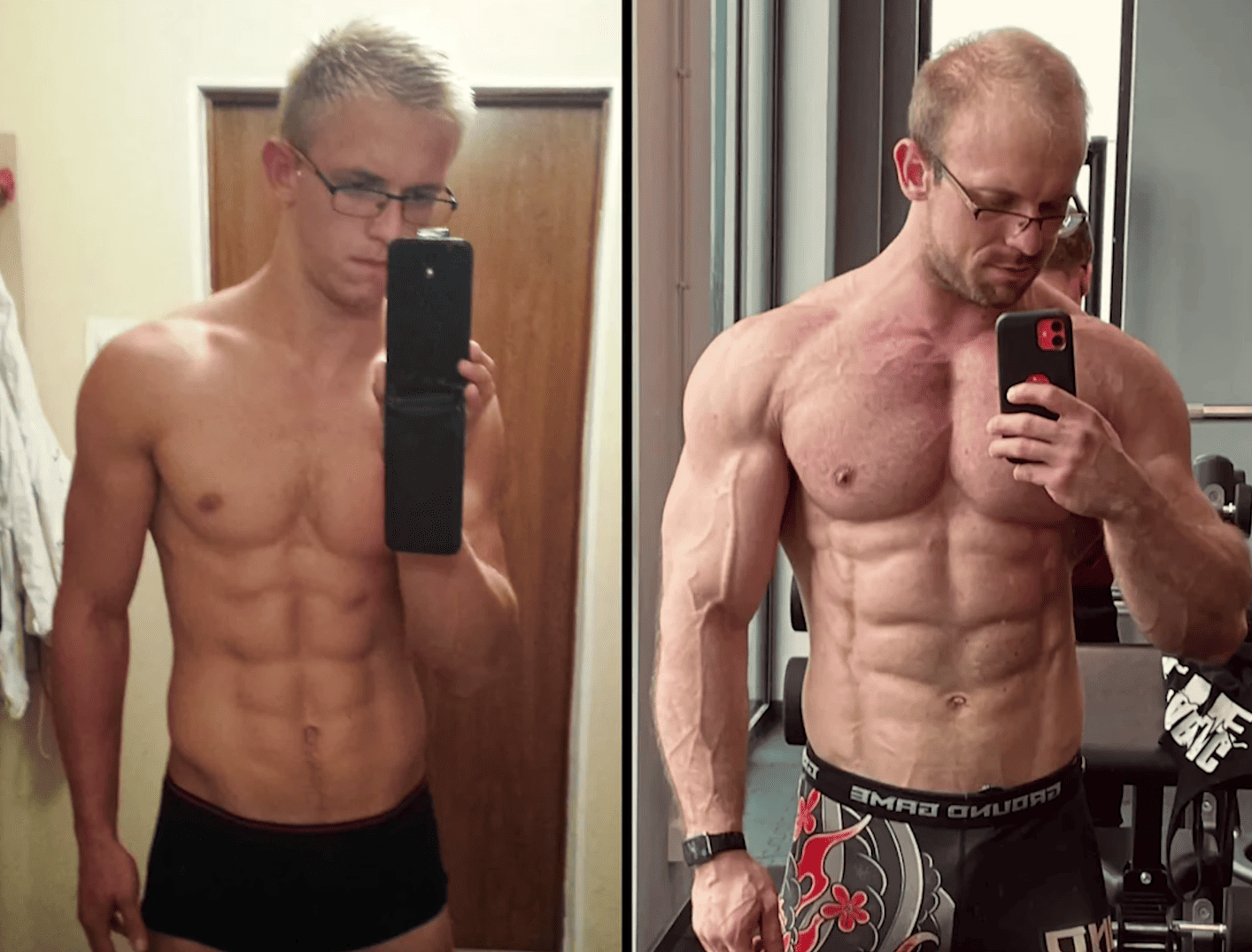
Young men with already impressive physiques decide to enhance further, only to emerge looking 10 to 15 years older. Receding hairlines, expanded foreheads, and visible facial aging are common outcomes, even when muscle gains are achieved.
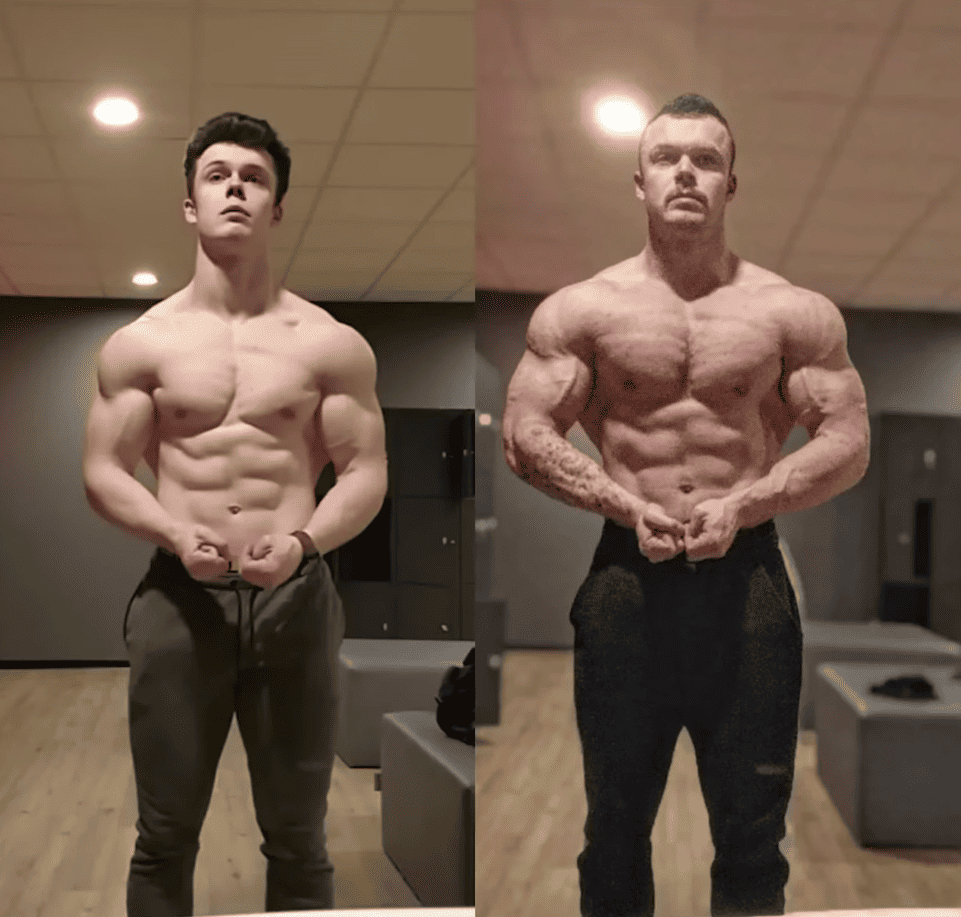
The biological mechanisms behind this aging are complex. Androgens at higher doses cause oxidative stress and accelerated cell turnover, pushing cells into overdrive. This increases mitochondrial activity and reactive oxygen species, which damage DNA and RNA, contributing to biological aging. Additionally, telomeres—protective caps on DNA strands—shorten more rapidly with each cell division when the body is under this type of stress.
Particularly concerning is the impact of DHT derivatives and compounds that lower estrogen levels. Contrary to popular belief among bodybuilders, estrogen serves as a powerful antioxidant and promotes collagen synthesis. When users manipulate their hormones to reduce water retention and achieve a leaner appearance, they compromise collagen production and skin thickness, leading to premature wrinkles and facial volume loss.
Coach Kolton emphasizes that if performance enhancement is pursued, testosterone alone at moderate doses offers the safest approach. Unlike synthetic androgens with limited research, testosterone has been studied for nearly a century, allowing better management of side effects. However, he stresses that 99% of people don’t actually need steroids to achieve their aesthetic goals—they simply need consistent training and proper nutrition.
The fitness community is beginning to acknowledge these consequences. Former bodybuilders who have discontinued steroid use often show visible improvements in their appearance, looking younger and healthier despite reduced muscle mass. This reversal demonstrates that the damage, while significant, isn’t always permanent when caught early.
The underlying issue extends beyond individual choices. Social media algorithms actively promote st**oid culture to younger audiences, normalizing what should be considered medical interventions. Young people, eager for quick results, skip the years of natural training that could deliver satisfying results without health consequences.
The message from experienced voices in the fitness industry is clear: the shortcut to enhanced physiques comes with substantial costs including hair loss, skin problems, emotional instability, sleep disruption, and even alterations to brain architecture. For those seeking improved appearance, the traditional path of consistent training and fat loss remains the safest and most sustainable approach to looking better without prematurely aging their bodies.
