
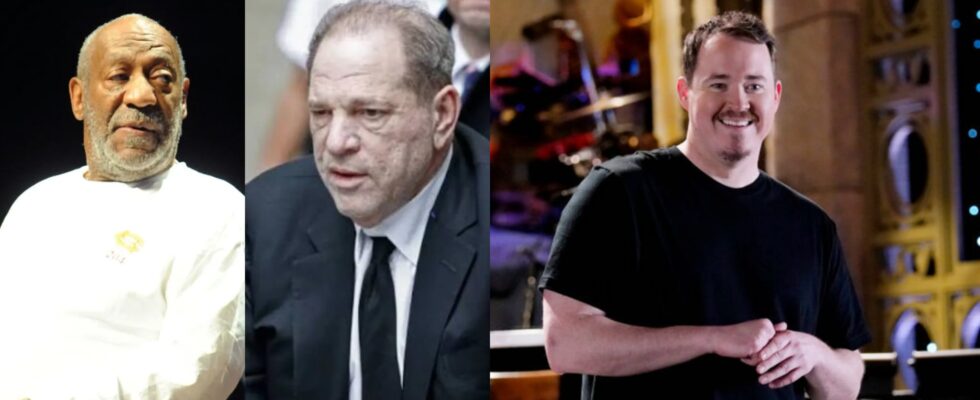
On a recent podcast episode, hosts Mark Normand and Sam Morril were joined by comedian Adam Ray and author and stand-up Sam Tallent when the conversation turned to one of comedy’s more uncomfortable recurring debates: who gets lumped together when the culture decides to call someone out.
During the conversation, Morril was riffing on the Hollywood ecosystem and the overlapping circles of scandal when he landed on a point that stuck.
“That’s like when they did to Shane,” Morril said, “when he got canceled it was like people who got canceled this year and it was like Shane, Weinstein, and Cosby and I was like, dude, that’s not fair.”
It’s a short observation, but it carries weight. Shane Gillis lost his Saturday Night Live spot in 2019 after old podcast clips surfaced of him using a slur. Gillis also found himself at the centre of another controversy following his return to Saturday Night Live in October 2026, where his stand-up-style monologue drew considerable backlash online. While much of the set revolved around his weight, family and friendship with Joe Rogan, one particular joke about women wearing revealing workout clothes at the gym sparked criticism.
It was a rough moment, and reasonable people can debate whether the response was proportionate. What’s harder to defend is what Ray was pointing at: the tendency to flatten every controversy into one undifferentiated pile of wrongdoing.
Harvey Weinstein was convicted of SA. Bill Cosby was convicted of aggravated indecent assault. These are not comedians who said something offensive in a podcast recording years before anyone was paying attention. These are men whose patterns of conduct were among the most documented and damaging in the entertainment industry’s recent history. Placing a comedian’s old edgy material next to those cases does not clarify anything. It muddies the conversation and makes it harder to respond proportionately to any of them.
The point the podcast touched on without fully unpacking is that comedy has gotten big enough to attract people who don’t have much patience for what it actually is.
Normand put it plainly, “We got Shane getting like he’s my whole feed for doing a joke on a comedy show. What happened? I liked it better when we were in the basement.”
When an art form that was always built on provocation gets treated as a venue for public moral reckoning, the calibration tends to go sideways. The result is infographics that put a comedian with an old bad joke next to men with serious convictions.
