

Six-time Classic Physique Olympia champion Chris Bumstead has built his career around the extremes of competitive bodybuilding, dieting down to single-digit body fat percentages for the stage.
In a new video, Bumstead broke down exactly how he approaches cutting weight, and his answer boils down to one word: simplicity.
“I spent the last 15 years of my life as a professional bodybuilder, dieting multiple times down to 4% body fat. And what I realized is that it’s annoyingly simple to get lean. People just overcomplicate it and don’t focus on the things that they need,” Bumstead said.
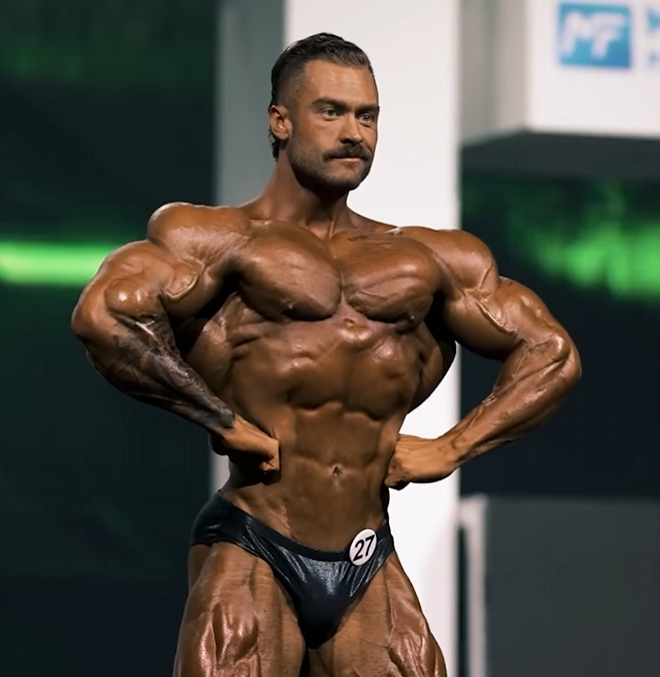
Tracking Everything
Bumstead pointed to a quote he credits to training partner Justin.
“What isn’t measured isn’t managed.” He explained that the first step for anyone trying to lose weight is tracking. “If the average person who’s not into fitness just gets a food journal and writes down every single thing that they eat, muscles are more likely to lose weight,” he said.
On the scale specifically, Bumstead said daily weigh-ins are worth the effort, at least early on.
“I think you should be weighing yourself every day, at least at the beginning of your journey… if you’re weighing yourself every day at the same time every day, you can get a weekly average and see how your trending, whether up or down is consistent.”
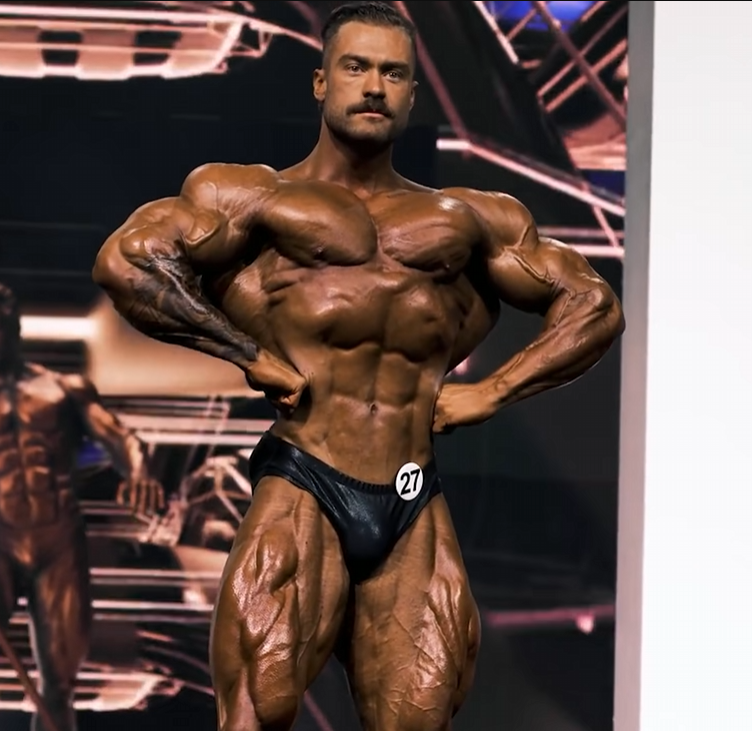
He referenced his own competition weight, saying, “My stage weight limit was 242 lbs. I’ll be cutting water, cutting weight, 3-4% body fat, shredded.” That figure translates to roughly 110 kg (243 lbs).
Calories, Protein, Whole Foods
Asked how beginners should set a calorie target, Bumstead warned against copying someone else’s numbers.
“Don’t just pick a random number like, ‘Oh, this guy got lean eating 2,000 calories.’ Everybody’s body is so different,” he said. Instead, he recommends tracking a normal intake first, then adjusting from a known baseline.
For nutrients, he narrowed it down to three priorities: “Calories, and then it’s protein… and then having whole foods.”
Training Through a Cut
Bumstead was firm that lifters shouldn’t change their training style just because they’re cutting calories.
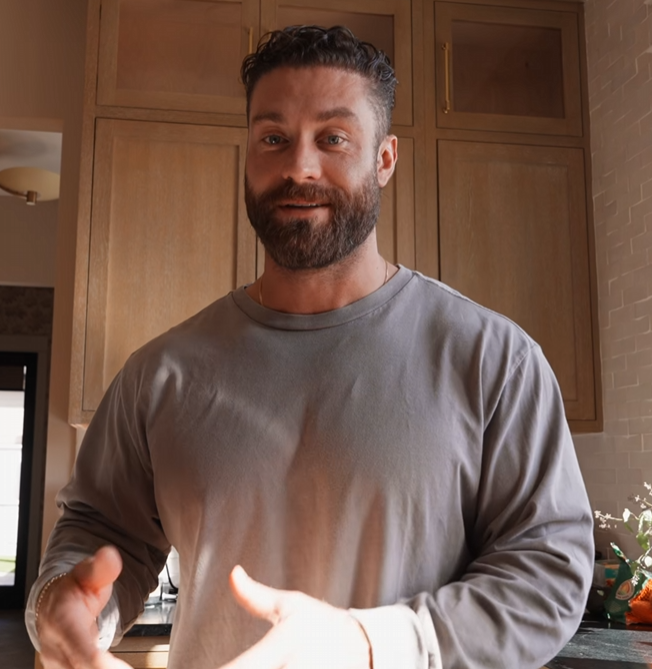
“Don’t just think getting lean means you have to increase volume… That’s a complete myth. The goal is to keep training as you would, as hard as you could.”
He also offered a useful warning sign for cutting too aggressively.
“If it drops really fast, like one day you’re benching 225, the next for six, next time you get like four, your body probably needs more fuel and you’re cutting too hard, too fast.”
Knowing When to Stop
On ending a cut, Bumstead said performance and sleep are the real indicators.
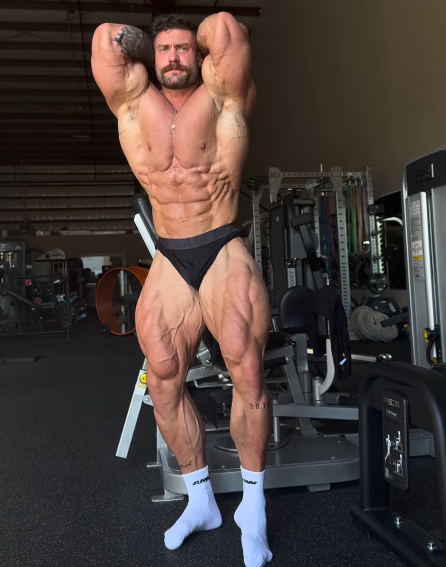
“I think the cut should end when you’re at a point in which it starts to sacrifice progress and performance in the gym… Getting lean really is that simple. It’s just about doing the simple things consistently enough so that they actually work.”
