

Josh Bridgman has made openness about bodybuilding PED use a central part of his online presence. The bodybuilder, who is working toward qualifying for Mr. Olympia, has spent years publicly discussing his PED cycles and sharing his blood work with his audience. After close to 10 years of use, Bridgman is now discussing the toll he believes prolonged use has taken on his appearance, health and emotional state.
“You’ve seen the guy. Jacked. Big arms, shredded abs. Looks like he could flip a car. But something’s off. His face looks like he’s been through war. Puffy, rough, way older than his age,” Bridgman said, describing a look that, by his own admission, applies to himself.

According to Bridgman, one of the clearest outward effects associated with prolonged PED use is a change in facial appearance. Changes in fluid balance can contribute to puffiness around areas such as the cheeks, jaw and eyes. Changes in body composition and facial muscle development may also contribute to a fuller or more swollen appearance.

“The sharp lines are gone, the jawline, the cheekbones. It’s all just buried under fluid and fat,” he said.
Repeated changes in skin volume can also affect its appearance over time. Bridgman argues that prolonged swelling and stretching may contribute to a loss of the youthful structure and elasticity associated with healthy skin.

“Some of this can reverse when you do stop using it, but if you’ve been doing it for a decade or a long time, you’re not getting that structure back. The damage is done.”
Hair loss is another issue Bridgman considers difficult to escape. Higher androgen exposure can increase levels of dihydrotestosterone, or DHT, a hormone associated with male-pattern hair loss. DHT can cause susceptible hair follicles to progressively shrink, eventually reducing their ability to produce visible hair.

“I have the same head of hair right now as my dad, and he’s 30 years older than me,” he said in a vlog.
Skin problems can also accompany elevated androgen levels. Increased activity in the sebaceous glands can contribute to severe acne, while deeper lesions may leave scars that remain after the acne itself has subsided.
For Bridgman, however, the potential effects on internal organs are considerably more concerning than the cosmetic changes.
PED use can affect the cardiovascular system, including changes to the structure and function of the heart. In some users, the heart muscle can become thicker, potentially making the organ less flexible and contributing to elevated blood pressure and increased cardiovascular risk.
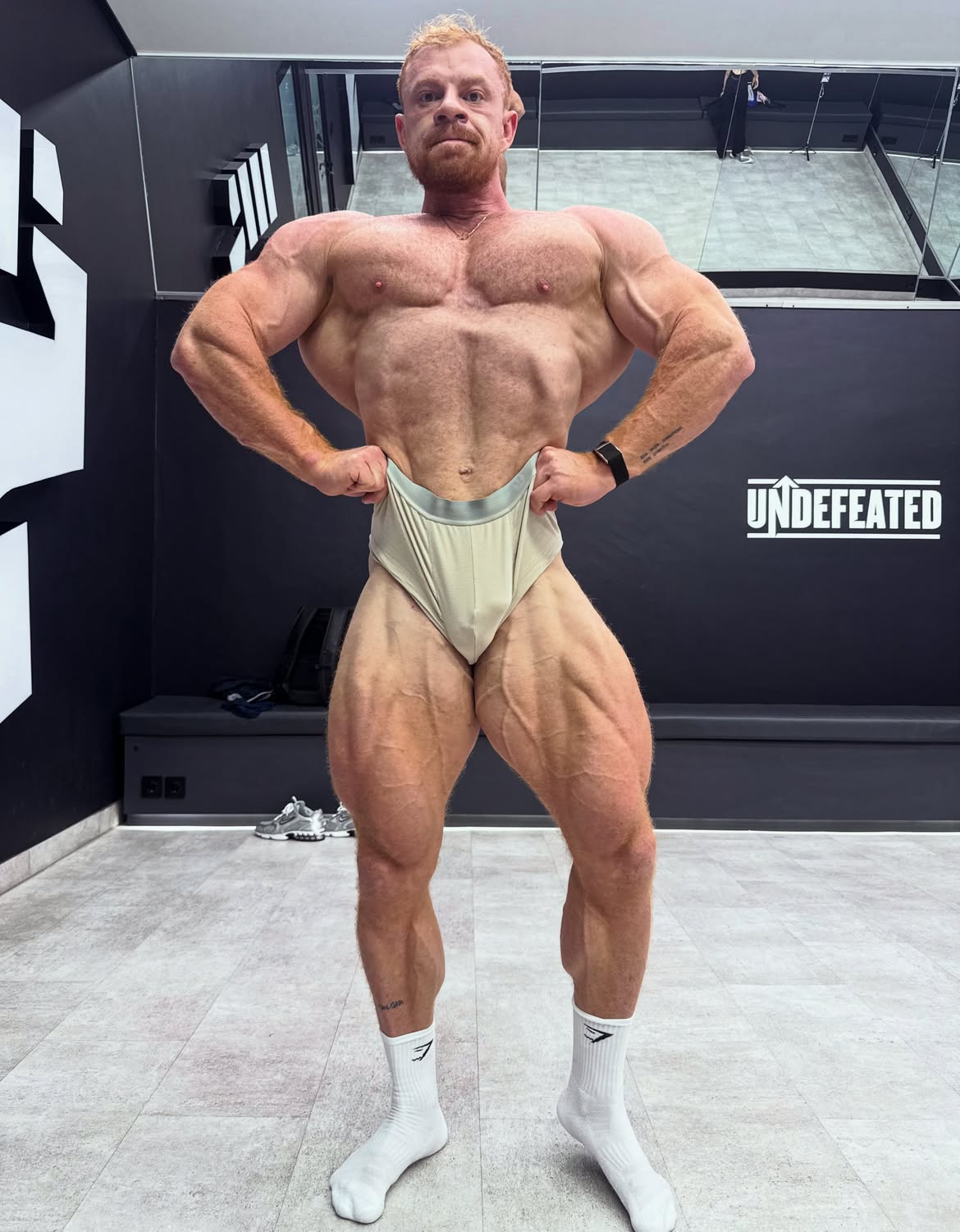
“Bodybuilders can pass away at a young rate. That should put a scare into someone considering this path,” he said.
The potential health consequences can extend beyond the cardiovascular system. PED use may place additional stress on the liver and kidneys, while research has also investigated associations between long-term anabolic-androgenic PED exposure and changes involving brain structure, cognition and emotional regulation.
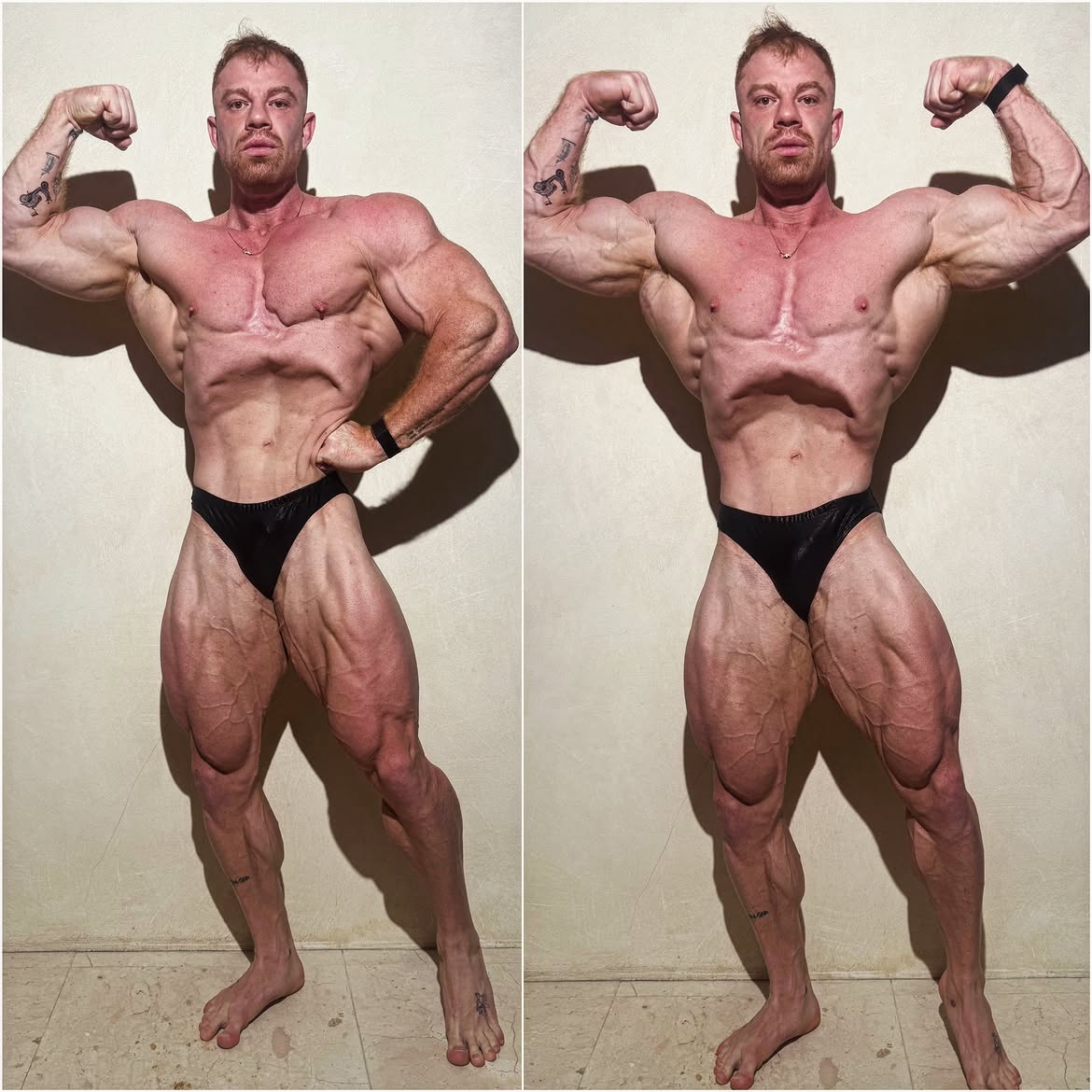
“I am considerably less emotionally stable and considerably more hot-headed,” Bridgman acknowledged from personal experience.
“The muscles grow, but so does the biological debt,” he said. “Every cycle is a rep against your skin, your liver, your kidneys, your brain.”
Despite the risks he has described, Bridgman has no plans to walk away from competitive bodybuilding. His experience has nevertheless given him a different perspective on the decision to use performance-enhancers, particularly for people whose goal is simply to improve their appearance.
