
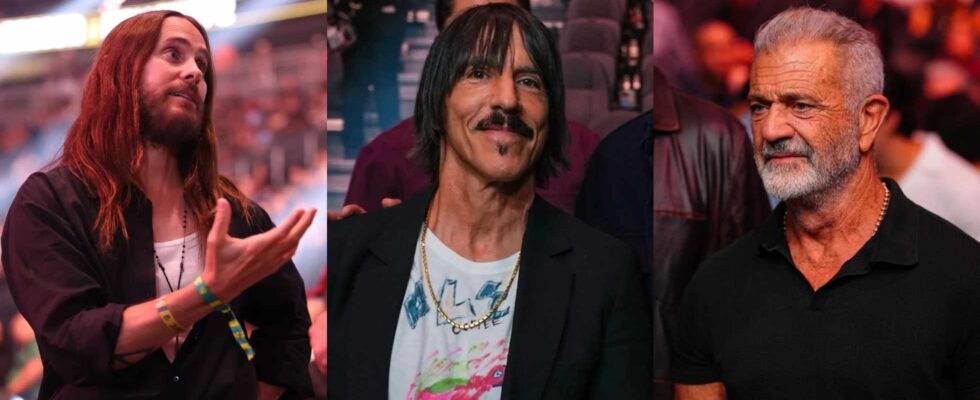
When the cameras panned across the celebrity section at UFC 329 inside T-Mobile Arena in Las Vegas, the crowd assembled ringside said as much about the current state of Hollywood’s social landscape as anything happening inside the cage.
Jared Leto. Mel Gibson. Anthony Kiedis. Alongside Tucker Carlson, Mike Tyson, Vince Vaughn, and Oasis guitarist Noel Gallagher, the collection of names cageside read less like a typical A-list gathering and more like a reunion of figures who have, at various points, found themselves on the wrong side of public opinion.
In an era when studio relationships have frayed and award season invitations have dried up for certain names, the UFC has quietly become one of the few spaces where the famous and the controversial can occupy the same front-row seats without anyone raising an eyebrow.
Dana White’s organization has long leaned into its outlaw identity, and the celebrity roll call at major events reflects that posture. If Hollywood’s gatekeepers have shown some figures the door, the UFC has left its wide open.
Few in that cageside row carry more complicated histories than Mel Gibson. The actor and filmmaker behind “Braveheart” and “The Passion of the Christ” spent much of the 1990s navigating backlash over homophobic comments made in a 1991 interview with a Spanish newspaper, where he used crude language to describe gay men.
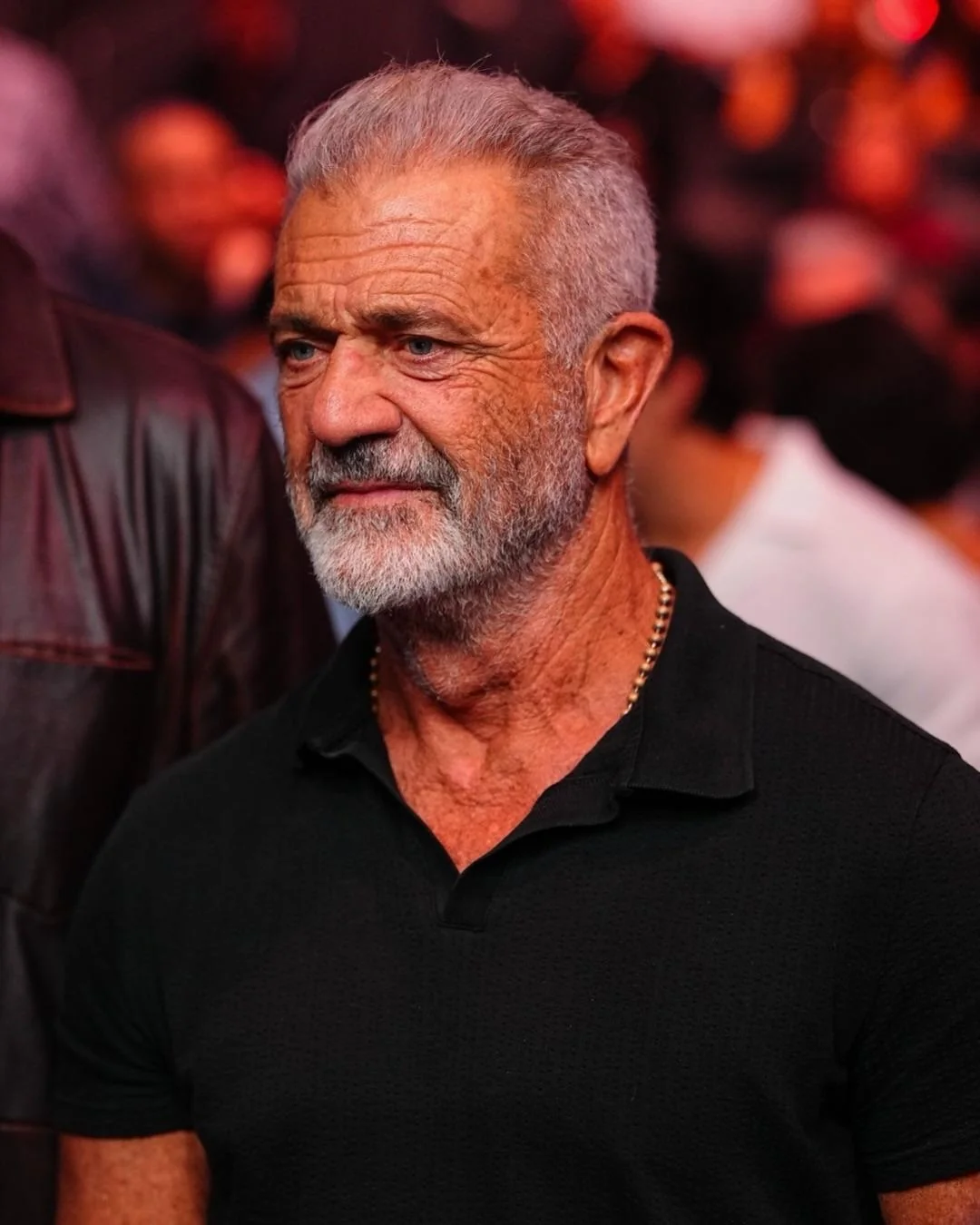
According to sources, he stated, “With this look, who’s going to think I’m gay? I don’t lend myself to that type of confusion. Do I look like a homos3xual? Do I talk like them? Do I move like them?”
When GLAAD protested the release of “Braveheart” four years later, citing what the organization called a “homophobic caricature” in the portrayal of Edward II, Gibson was asked in a Playboy interview whether he would apologize.
His response was unambiguous: “I’ll apologize when h3ll freezes over. They can f*ck off.”
Months later, following a meeting organized by Chastity Bono, the temperature cooled somewhat, with Gibson’s publicist describing it as “a nice dialogue between people who have a lot in common.”
The controversies did not end there. In 2006, Gibson was arrested in Malibu, and the arresting officer’s report documented a tirade of antisemitic remarks directed at the officer on the scene.
According to the report, Gibson said: “F*cking Jews. The Jews are responsible for all the wars in the world. Are you a Jew?”
Gibson issued a formal apology to the Jewish community in the aftermath, stating: “There is no excuse, nor should there be any tolerance, for anyone who thinks or expresses any kind of Anti-Semitic remark. I want to apologize specifically to everyone in the Jewish community for the vitriolic and harmful words that I said to a law enforcement officer the night I was arrested.”
Four years later, recorded audio from a conversation with his former partner Oksana Grigorieva became public, in which Gibson used racist language and made threatening remarks.
Gibson later characterized the recordings as selectively edited: “You have to put it all in the proper context of being in an irrationally, heated discussion at the height of a breakdown, trying to get out of a really unhealthy relationship. It’s one terribly, awful moment in time, said to one person, in the span of one day and doesn’t represent what I truly believe or how I’ve treated people my entire life.”
In 2011, he entered a no-contest plea to a misdemeanor battery charge stemming from a 2010 incident with Grigorieva and was placed on three years of probation along with court-ordered counseling.
Actress Winona Ryder has separately alleged that Gibson directed both antisemitic and homophobic remarks at her during a Hollywood party in the 1990s, recounting that he referenced “oven dodgers” upon learning she was Jewish.
Gibson’s spokesperson denied the claims entirely. Ryder’s response was measured: “I believe in redemption and forgiveness and hope that Mr. Gibson has found a healthy way to deal with his demons, but I am not one of them. Around 1996, my friend Kevyn Aucoin and I were on the receiving end of his h*teful words. It is a painful and vivid memory for me.”
Then there is Anthony Kiedis. The Red Hot Chili Peppers frontman has long occupied an unusual cultural position: widely celebrated, rarely scrutinized, despite having written in explicit detail about genuinely troubling conduct in his 2004 autobiography, “Scar Tissue.”
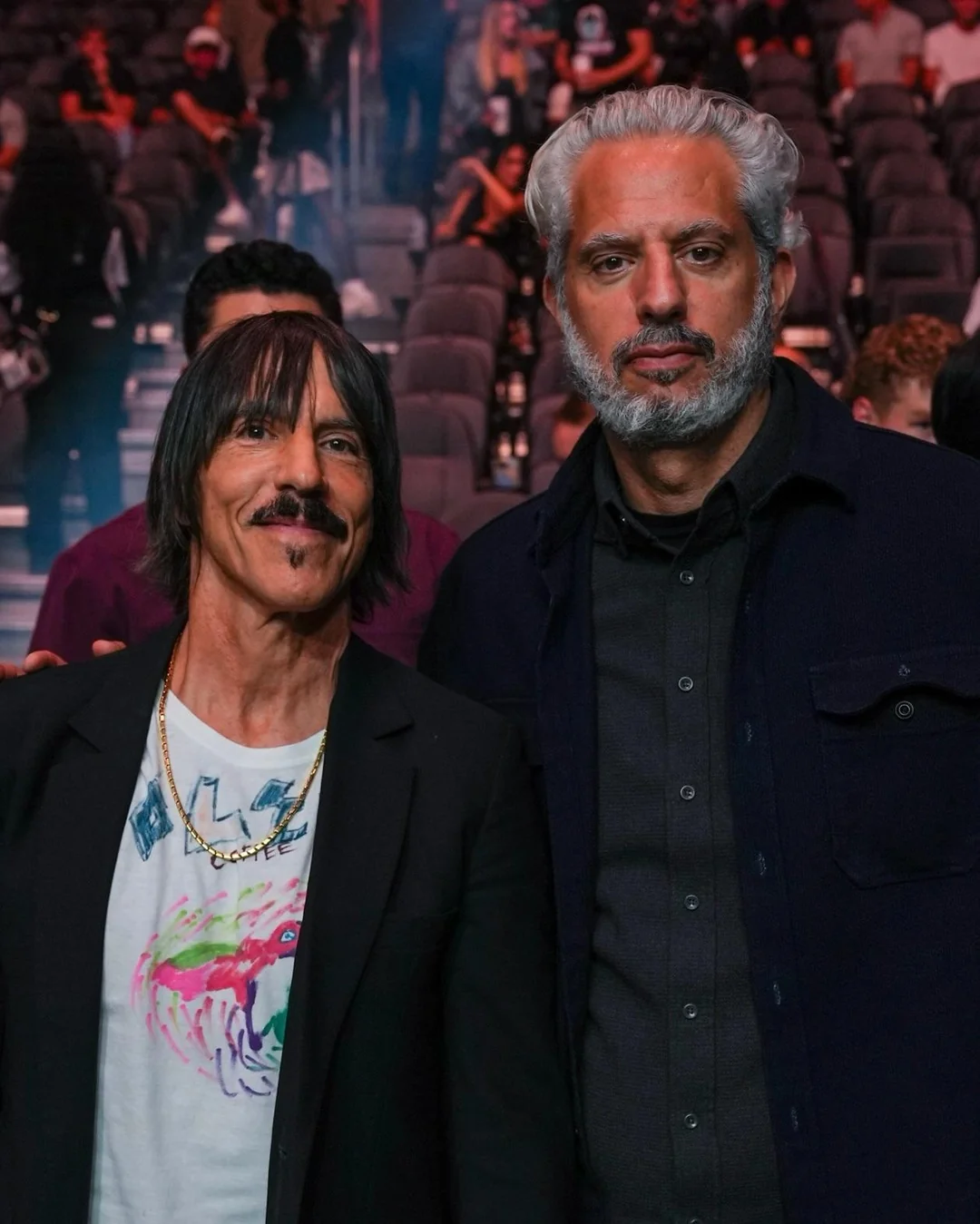
According to sources, Kiedis documented a s3xual encounter with a 14-year-old girl he met backstage at a concert in Louisiana. After she revealed her age, her father’s position as a local police chief, and the fact that the state was actively searching for her, Kiedis wrote: “I wasn’t incredibly scared, because, in my somewhat deluded mind, I knew that if she told the chief of police she was in love with me, he wasn’t going to have me taken out to a field and sh0t, but I did want to get her the h3ll back home right away. So we had s3x one more time.”
He later wrote a song called “Catholic School Girls Rule” based on that experience. That song was briefly revived during a 2007 performance, years after the autobiography’s release, suggesting the gravity of those disclosures had never fully registered as a reason for reflection.
Kiedis also began a relationship in 1986 with actress Ione Skye when she was 16 and he was approximately 24, below the legal age of consent in California, a detail Skye confirmed in a TikTok video. In 1990, he was convicted of s3xual battery and indecent exposure following an incident at a 1989 concert.
What has largely shielded Kiedis from broader cultural reckoning is the unusual fact that many of these admissions came directly from his own pen, published in a best-selling book that the press largely received with enthusiasm. The band’s legacy rolled on largely undisturbed, and the cultural cost of those disclosures has remained, by most measures, negligible.
Jared Leto’s presence cageside carries its own weight. According to sources, a June 2025 Air Mail investigation titled “The Cult of Leto” brought nine women forward with accounts of assault and misconduct.
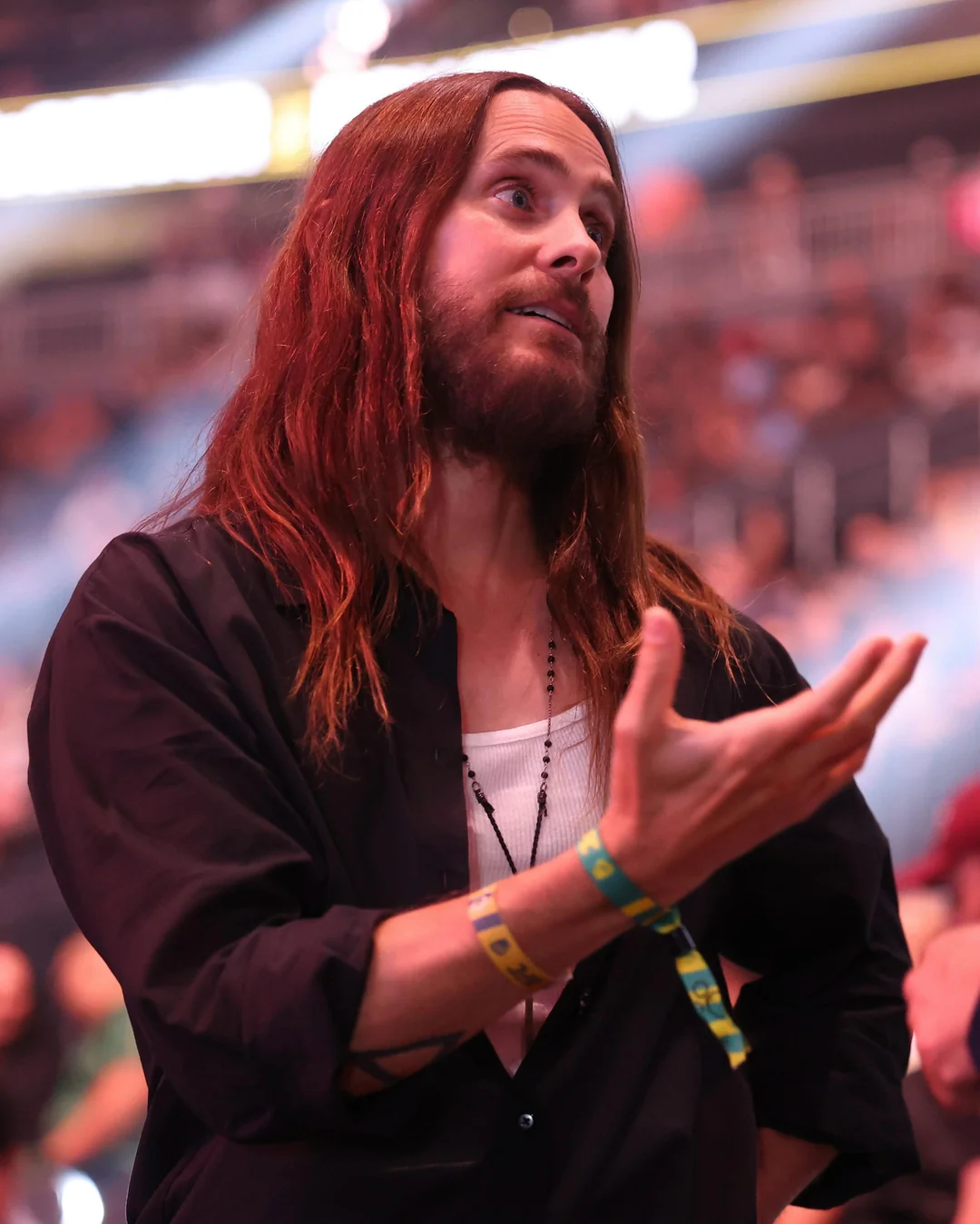
Among those quoted, one wrote: “I was assaulted and traumatized by this creep when I was 17. He knew my age and didn’t care.” Another stated: “When I was 14, Jared Leto asked my friend, also 14, to come back to his hotel room.”
The pattern extends back at least two decades, documented across online platforms since the mid-2000s, including a New York Post article from 2005 titled “Jared Leto Likes Them Young.” His conduct during the production of “Suicide Squad” in 2016 also drew sustained attention, with castmates including Margot Robbie and Viola Davis speaking publicly about the environment he created on set.
He has disputed some accounts while offering what critics noted were contradictory explanations. Leto also operates fan retreats in Croatia through his band 30 Seconds to Mars, events described by participants as featuring merchandise bearing the phrase “Yes, I’m in a cult,” along with a competition to sleep in his bed, and dynamics that many attendees have characterized as deeply manipulative.
Director James Gunn has publicly implied serious reservations about working with him. Public figures ranging from Dylan Sprouse to Seth Rogen have made pointed, if indirect, references to his conduct over the years. And yet the bookings have continued.
Sources state that noticeably absent from the UFC’s most high-profile political showcase is Dwayne “The Rock” Johnson. Despite holding a stake in TKO Group Holdings, the parent company of the UFC, Johnson was among several prominent names who declined to attend UFC Freedom 250 at the White House.
The UFC has positioned itself as a venue without editorial standards for its celebrity seating chart, and that positioning is drawing a very specific crowd: public figures with few other comfortable places to land.
For now, a front-row seat at a major UFC event has become one of the rare places in popular culture where a troubled public record is not treated as a disqualifying credential.
