
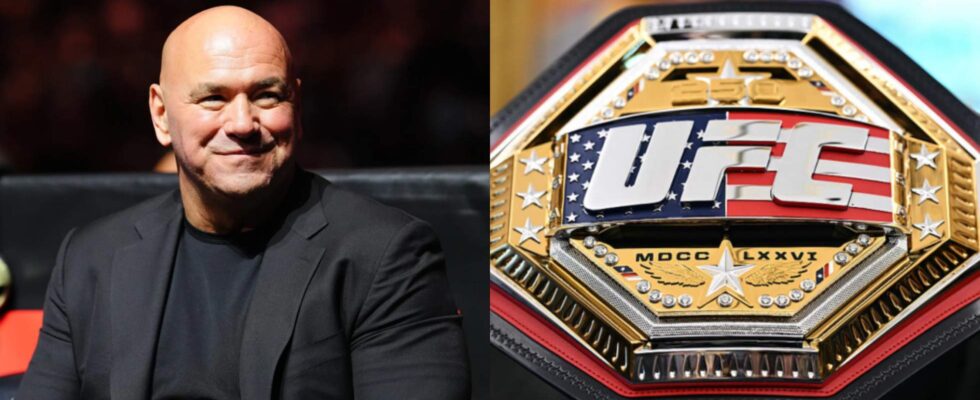
UFC CEO Dana White recently unveiled a custom-crafted championship belt tied to the upcoming event at the White House.
During the reveal, White explained that the belt was designed specifically to commemorate the United States’ 250th anniversary, with several symbolic details built directly into its design.
“In the back here, you see, this is 404. Only four of these belts exist,” White said while showing the custom design.
He then pointed to the commemorative markings featured across the belt’s face. “And then it’s got 1776 to 2026. There’s 250 stars for 250 years,” he explained, referencing the celebration of America’s 250th year of independence.
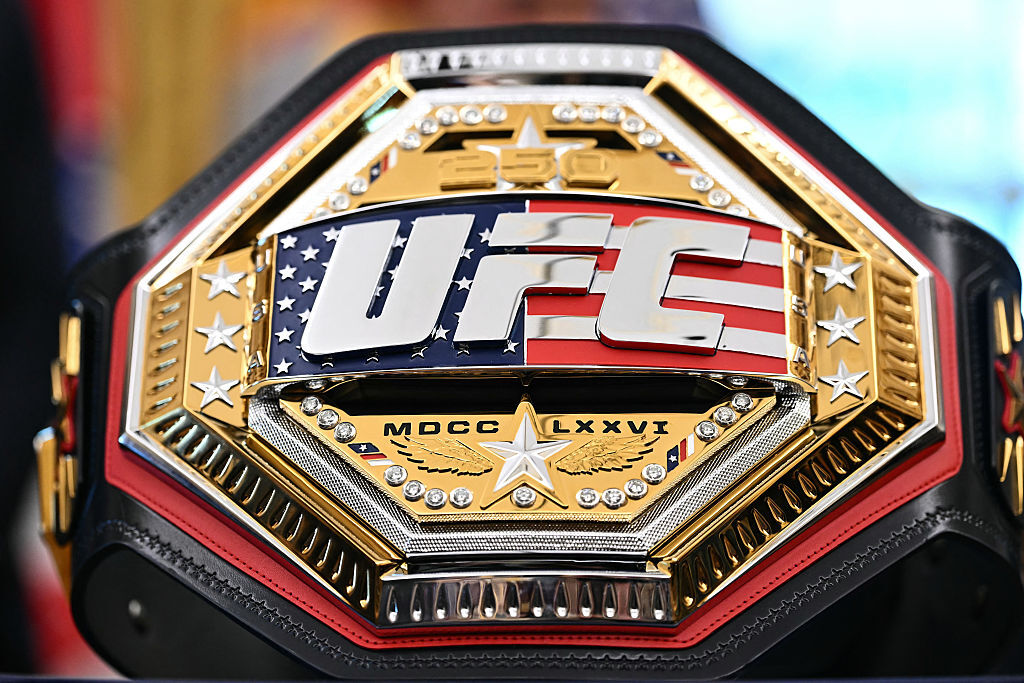
The belt also includes luxury detailing rarely seen even on UFC championship belts. “There’s 60 carats of diamonds on the belt,” he revealed.
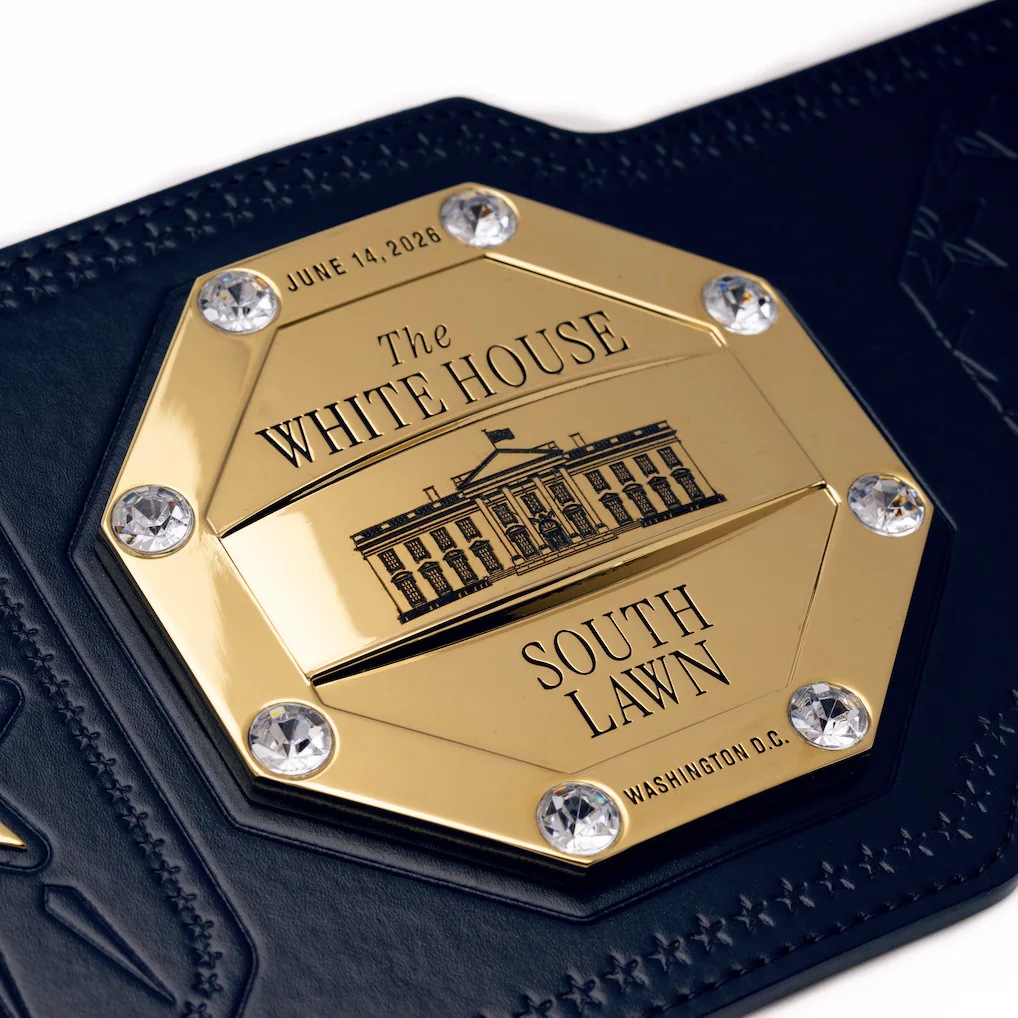
One of the standout details is the engraving featured along the side plate, which directly ties the belt to the venue hosting the event. “And on the side here is the actual, is the White House,” White said before specifically clarifying, “White House South Lawn.”
As impressive as the belt is visually, there is a conversation happening around what its existence actually means for the athlete who earns it. While the champion’s name will be placed on the piece, the belt itself is headed for display at the UFC APEX alongside the promotion’s broader collection of title hardware.
“This one is actually going to go in the APEX where we have all of our belts represented,” White explained.
He added that the winner’s legacy would still be tied to the championship despite the belt remaining in UFC possession. “But this will say the champion’s name, whoever wins the match,” he said.
Recently, Dana White found himself facing difficult questions during a recent appearance on The Breakfast Club podcast. The conversation turned pointed when hosts pressed him on why some UFC athletes reportedly take on second jobs just to cover their basic expenses.
White did not sidestep the question but framed it in industry context. “I’m sure some basketball players and baseball players still need second jobs too, until they make it,” he said, arguing that UFC athletes, like many professionals in competitive sports, begin their careers on entry-level agreements and grow their earnings as they establish themselves within the promotion.
The hosts then pushed on the topic of athlete organizing, asking why the UFC has historically appeared resistant to conversations about unions or collective bargaining.
White rejected the characterization directly. “We don’t act like that’s the enemy. If the athletes wanted to unionize, that’s up to them. It’s not up to me,” he said. When asked whether he would actively encourage such efforts, his response was blunt: “Sure. We always have to deal with somebody.”
