
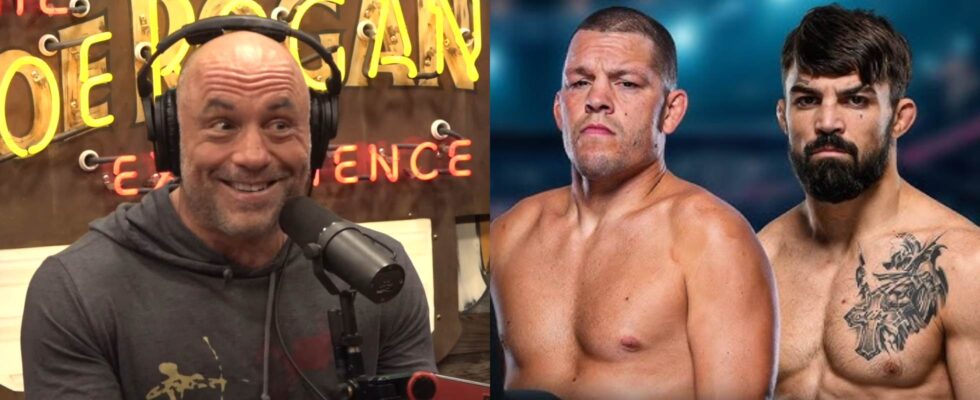
During JRE MMA Show #177, Joe Rogan sat down with John Rallo, Matt Serra, and Din Thomas to discuss a range of combat sports topics. Among the subjects discussed was Netflix’s growing involvement in combat sports and what that could mean for athlete pay and the business side of MMA.
Speaking about the platform’s new development, Rogan made it clear he welcomed it.
“This Netflix thing is nice, too. It’s good to see that there’s like someone who’s willing to throw a lot of money at MMA in another large arena, you know, like Netflix,” he said.
He then pointed to the company’s massive subscriber base and steady revenue, arguing that critics underestimate the financial strength behind the move.
“But here’s the thing. It’s Netflix, right? So Netflix has an huge amount of money and they keep raking it in,” he said. “Like every month people are paying whatever they’re paying. It’s as high as like what 19 bucks for ad free.”
When the discussion shifted to whether Netflix could justify the investment financially, Rogan dismissed the idea that the company would struggle to make returns. Instead, he framed the strategy as a long-term play built around keeping subscribers engaged.
“I would imagine you’ll just make money by giving people awesome stuff so they keep tuning into Netflix,” he said. “So in that sense they’re not going to lose any money because there’s a lot of MMA fans that probably subscribe to Netflix just so they can watch that match.”
Guest Matt Serra also took time to highlight the athletes who stand to benefit directly from these new opportunities. “I’m happy Nate is making that money. Mike Perry, too. I’m happy for them,” he said.
Rogan then expanded on how new platforms like Netflix can create leverage for athletes during contract negotiations, particularly at the end of existing deals.
“I heard those guys are getting paid,” he said. “It’s nice because this is a thing where if an athlete is in contract negotiations, they have their last match on the contract and they decide not to compete or not to sign until after the bout. They do make that decision which legally they can do, right?”
He then illustrated how a breakout performance could suddenly open doors to lucrative alternatives. “Then all of a sudden Netflix is calling,” he said. “Especially if you win big. You win big, great knockout, and then you come over to Netflix and make what, 12 a match. That’s nuts. And that forces everybody’s hand. That’s what business is supposed to do. That’s how it’s supposed to operate. It’s good. That’s what’s good for the athletes.”
Looking ahead, Rogan acknowledged that the long-term success of the model will depend on sustainability, but he made it clear where his priorities lie.
“That’s why I’m hoping that this Netflix thing can be sustainable,” guest Din Thomas said. Rogan followed that thought with a principle about the economics of combat sports: “But just give the money to the athletes. They’re the ones who compete, right? Without that, you got nothing, right? Everybody’s making plenty of money. Come on.”
