

The professional bodybuilding world faces a major controversy following startling allegations that multiple IFBB Pro and Mr. Olympia athletes have been using PMMA (polymethylmethacrylate) injections to enhance their physiques. The revelations, brought forward by an anonymous whistleblower connected to a Brazilian medical network, have sent waves through the competitive bodybuilding community.
PMMA, a permanent plastic filler also known as acrylic or plexiglass, is being injected throughout athletes’ bodies to create the appearance of larger, more developed muscles. Unlike temporary fillers, PMMA remains in the body permanently and carries serious health risks including chronic inflammation, hard lumps, tissue irregularities, disfigurement, late-onset infections, and tissue death.
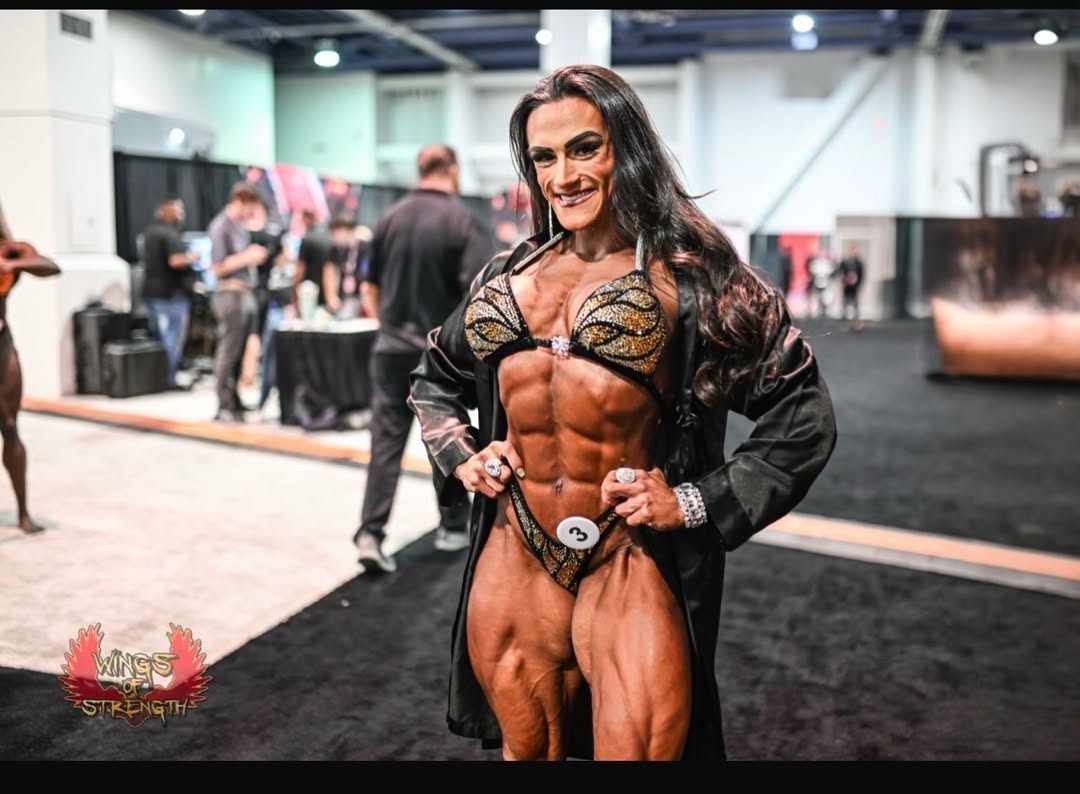
The whistleblower, who remains anonymous due to safety concerns, claims to have firsthand knowledge of high-level athletes receiving these procedures at a specific Brazilian clinic. Most notably, 2025 Miss Olympia women’s physique champion Natalia Abraham Coelho has been confirmed to have visited the facility, lending credibility to accusations made by former champion Sarah Villegas after her loss.
“I’m definitely not going out by a lightweight oil champion,”
drawing significant criticism at the time. These new revelations may vindicate her controversial post-competition comments.
The allegations extend beyond individual athletes to potential corruption within the organization itself. The whistleblower claims that a high-ranking Olympia producer has financial connections to the Brazilian doctor performing these procedures. More concerning is that a judge serving at Mr. Olympia may have undisclosed ties to athletes, creating what critics describe as an ethical disaster where judges could have financial incentives connected to athletes’ medical procedures.

Additional allegations include that a training coach for two-time Mr. Olympia champion Derek Lunsford was filmed receiving PMMA injections to his chest. While the whistleblower confirmed Derek Lunsford visited the clinic, they could not verify what procedures, if any, he received.
The procedures reportedly cost 20,000 dollars for full-body operations, with the whistleblower alleging that athletes are brought to the clinic through organized channels, with profits being split between involved parties.
The scandal raises fundamental questions about what constitutes enhancement in a sport where performance-enhancing is already widely used. Critics argue that if athletes already use various compounds to build muscle mass, cosmetic fillers represent merely another method of enhancement in what is essentially a physique competition.
However, others contend that permanent fillers cross a line because they create the illusion of muscle development without actual tissue growth, fundamentally misrepresenting an athlete’s physique. The lack of muscle definition and striations in areas where PMMA is injected becomes apparent when athletes achieve competition-level conditioning.
The IFBB currently has no testing protocols for these interventions, leaving enforcement entirely to judges’ subjective assessments. Whether the organization will implement new regulations or judging criteria in response to these allegations remains to be seen, but the controversy has certainly placed professional bodybuilding under unprecedented scrutiny.
