

UFC star Bryce Mitchell has raised eyebrows with his latest podcast episode, questioning the official FBI narrative surrounding the assassination of conservative activist Charlie Kirk.
In episode three of his ArkanSanity Podcast, Mitchell specifically challenged FBI Director Kash Patel’s account, expressing doubt that the alleged shooter could have executed the fatal shot.
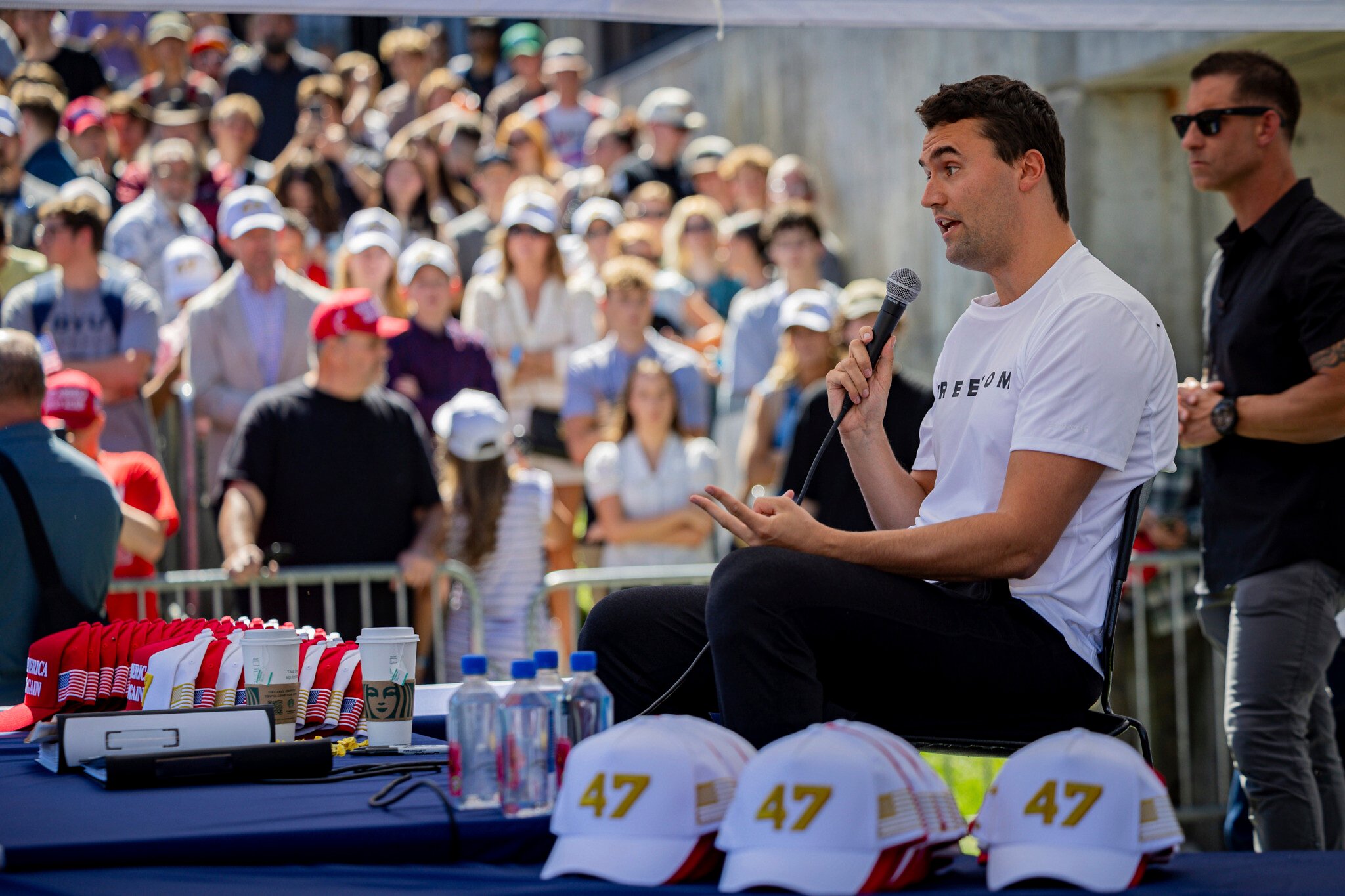
Mitchell’s skepticism centers on the suspect, Tyler Robinson, whom he described as living with what he characterized as a gay roommate. “I don’t think that that is very typical of gay people to be such accurate, precise shots in extremely important situations,” Mitchell stated on his podcast.
He elaborated that the alleged shooter “looks like he’s never shot a gun in his life. He just looks gay. He looks weak. He looks fragile.”
Mitchell compared the high-pressure situation to deer hunting, explaining that even experienced shooters struggle with adrenaline. “You’re going to shake. I mean, you’re going to feel adrenaline,” Mitchell said, arguing that Robinson would have been “shaking uncontrollably” during such a critical moment.

Mitchell went further, calling Patel “a big dirty rat” and accusing him of being “compromised” and guilty of treason for endorsing the official story.
According to the FBI’s account that Mitchell disputes, Robinson fired from approximately 200 yards away from a rooftop, hitting Kirk in a fatal location. Mitchell finds this narrative implausible, stating, “I don’t think he hit Charlie Kirk with a 306 at 200 something yards away. I don’t think so. I think they’re framing him.”
The UFC star pointed to several inconsistencies in the official story that fueled his doubts. He noted the absence of an exit wound from what was reported as a .30-06 bullet, the alleged shooter’s connection to BlackRock property where evidence was supposedly found, and what he perceives as suspicious behavior from those present at the scene.
Beyond questioning the marksmanship capabilities of the alleged shooter, Mitchell proposed alternative theories.
The cornerstone of Mitchell’s alternative theory rests on forensic inconsistencies he observed in the aftermath. Most notably, he emphasized that the coroner’s report indicated no exit wound on Kirk’s body—an anomaly for a high-powered rifle round at that distance.
“There was not a lot of blood,” Mitchell noted, pointing out that the three men who attended to Kirk immediately after he fell had no visible blood on their hands or clothing when they stood up. Having field-dressed deer, Mitchell argued that a .30-06 bullet wound should have produced “several gallons” of blood, creating a significantly messier scene.
These observations led Mitchell to his explosive device hypothesis. He specifically suggested that Kirk’s microphone may have been rigged with a small bomb, which would explain both the lack of an exit wound and the minimal blood loss.
According to Mitchell’s theory, the explosive would have caused blunt force trauma rather than a penetrating projectile wound, resulting in internal damage without the external bleeding pattern expected from a gunshot.
Mitchell drew parallels to known tactics employed by intelligence agencies, particularly referencing incidents where small explosive devices were concealed in everyday objects. He noted that such a method would guarantee mission success, eliminating the risk of a missed shot that could allow the target to escape and heighten security measures.
The fighter also proposed an alternative scenario: a close-range handgun shot from someone in the crowd, which might not fully penetrate the body. However, he deemed the explosive microphone theory more probable due to its reliability and the ability to detonate remotely without requiring an additional person at the scene who might be detected.
Additionally, Mitchell criticized the widow Erika Kirk’s public demeanor, stating she doesn’t “act like a mourning widow” and appeared too comfortable in public appearances following the tragedy.
Mitchell specifically took issue with photographs showing Kirk’s widow appearing too comfortable with other men at public events. “She’s too laughing, too hugging on other dudes,” he said. Mitchell explained that while he initially felt compassion toward her, his sympathy diminished after observing her repeated public appearances.
One particular image drew Mitchell’s strongest criticism—a photograph showing the widow in leather pants with Vice President JD Vance, where Vance’s hands appeared on her hips while she ran her fingers through his hair.
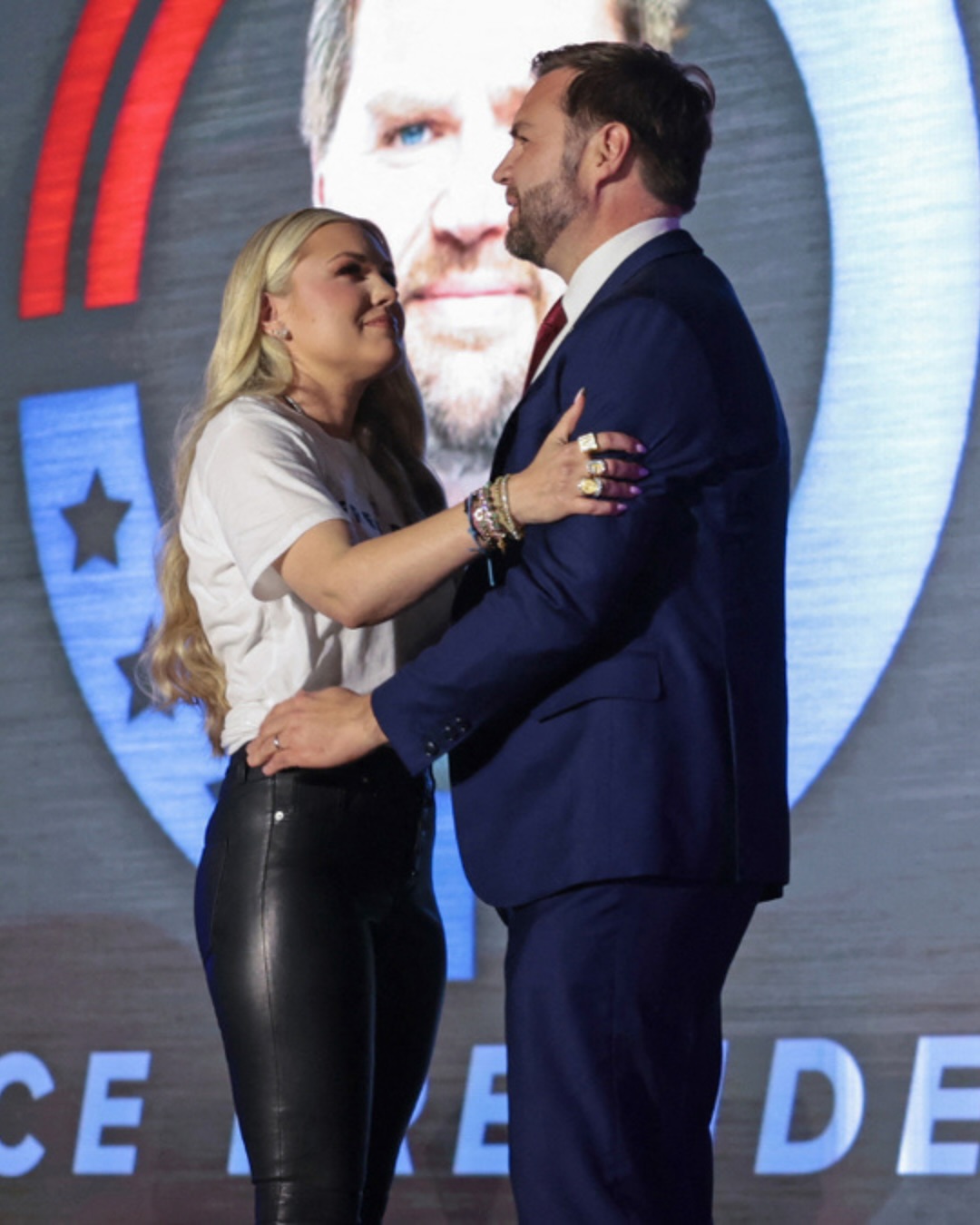
Mitchell found this interaction especially offensive. “If I die, don’t be doing this to my wife,” he said. “That’s too much, dude. It’s too long of a hug. And she’s running the hands through the hair. That’s not right.”
The fighter emphasized that the widow’s behavior didn’t align with what he would expect from someone mourning a spouse. Mitchell stated that the entire situation felt inauthentic. “Everything seemed like WWE fake to me, man. And these people didn’t even really seem sad. I think I was more sad than any of them to be honest with you,” he said.
The controversial podcast episode reflects Mitchell’s broader skepticism toward government institutions and his willingness to publicly challenge federal law enforcement narratives, regardless of the backlash such statements might generate within the mixed martial arts community or beyond.
