
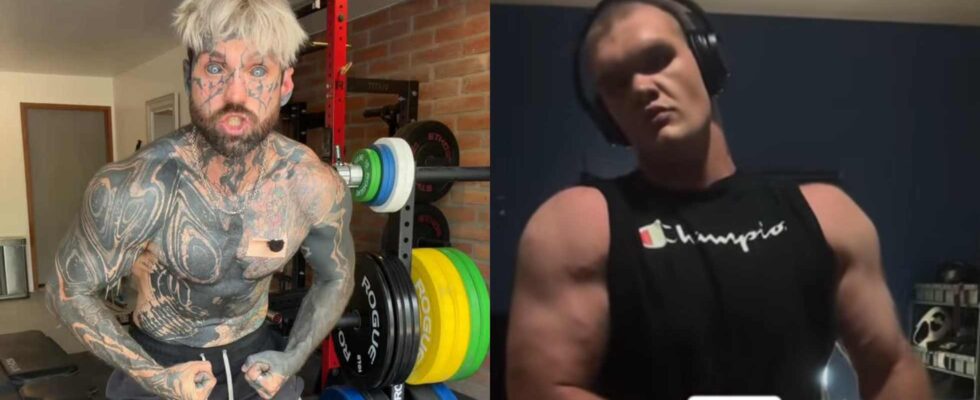
A growing number of social media users are openly documenting their PED use online, raising concerns about the growing normalization of PEDs among young fitness enthusiasts.
The trend comes at an unusual moment. The FDA has recently taken steps to broaden recognized treatment options for testosterone replacement therapy (TRT), suggesting it may be appropriate for men experiencing symptoms such as low libido, depression, or emotional instability, in addition to clinical hypogonadism.
For many patients who have struggled to access legitimate testosterone treatment, the move represents meaningful progress.
At the same time, however, social media is seeing an influx of influencers openly sharing their cycles, discussing dosages, and presenting PEDs as a shortcut to rapid muscle growth.
One creator, just over 100 days into his first roid cycle, asked followers whether he should increase his dosage after making modest gains in his bench press and deadlift.
He also questioned the purpose of going to the gym without using roids, reflecting a mindset that has become increasingly common in some online fitness circles.
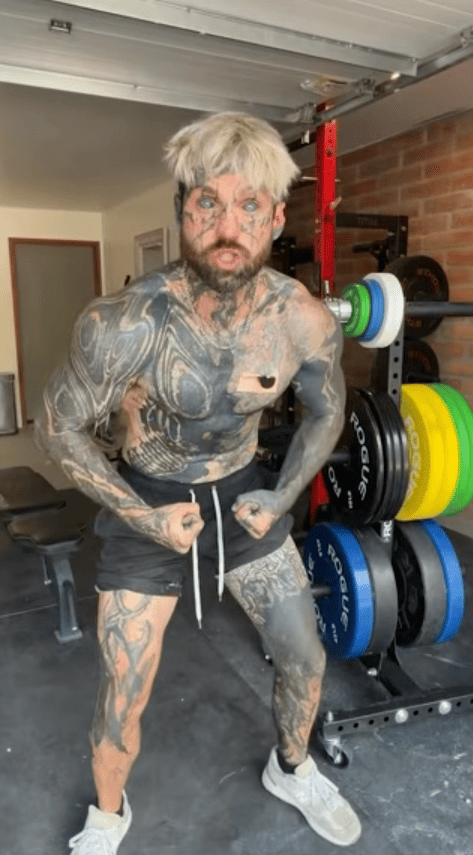
Critics argue that this outlook ignores the fundamentals of training. While anabolic roids can significantly increase muscle growth, they can also mask poor programming, inconsistent nutrition, and ineffective training habits by producing results regardless of whether those fundamentals are in place. That can make it difficult for inexperienced users to understand what is actually driving their progress while exposing them to serious long-term health risks.
The influencer framed PED use as a way of working more efficiently rather than putting in years of natural training. Although he acknowledged that the approach could shorten his lifespan, he considered the trade-off worthwhile in exchange for achieving a more desirable physique and lifestyle more quickly.
Observers noted that despite his confidence, his lifting technique, nutritional habits, and overall approach to training still showed clear areas for improvement.
Another growing concern is the number of teenagers experimenting with PEDs at an increasingly young age. Fitness observers have pointed out that some young users begin showing signs commonly associated with long-term use, including accelerated hair loss, skin issues, and a noticeably older appearance.
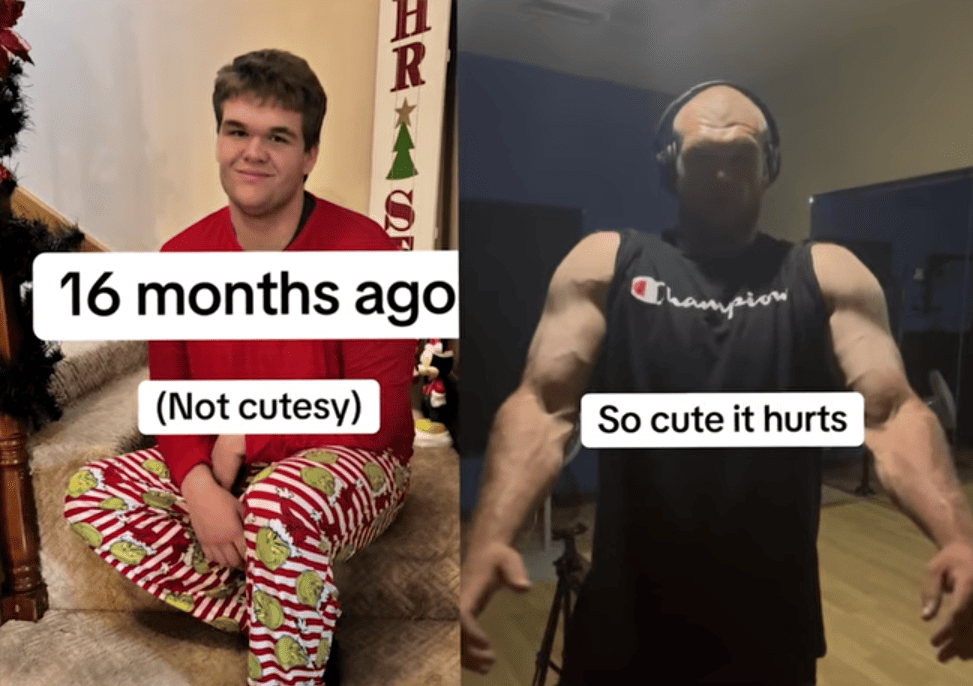
The physical effects of prolonged roid use are also becoming increasingly visible online. Some creators who began documenting their cycles more than a year ago now appear noticeably older than before, with accelerated hair loss and other changes often associated with heavy anabolic roid use.
Not every influencer promoting PEDs follows the same approach, however. Some advocate lower-dose protocols, carefully monitor hormone levels, prioritize sleep and nutrition, and avoid the extremely high dosages that are commonly associated with more severe side effects. They argue that a more conservative approach can reduce health risks while still producing significant physique improvements.
