
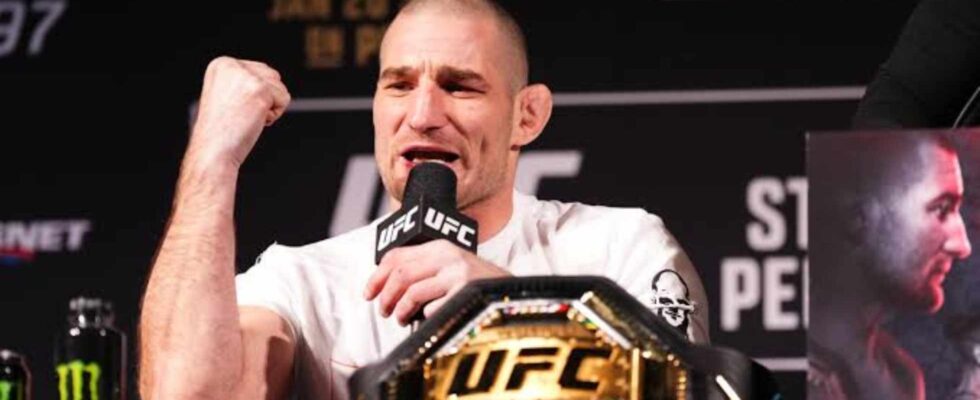
Sean Strickland has never been known for filtering his thoughts, and during a sit-down with Shawn Ryan on his podcast, the UFC middleweight champion turned his attention toward the business side of mixed martial arts, offering a frank look at how the organization compensates athletes and how matchmakers hold power over their careers.
Strickland described the entry-level pay structure as unforgiving for athletes without international economic leverage. New signees, he explained, are typically brought in on a “10 and 10” deal. “10 to show, 10 to win. So you get 20 grand for a match,” he said.
Once management fees and taxes are removed from that figure, an athlete on the losing end of a bout can end up taking home as little as seven or eight thousand dollars. “You pay off your manager, you pay off, you know, you pay taxes. Like dude, if you lose, you be making like eight, seven grand.”
He pointed to that pay gap as a key reason international talent has consistently performed well inside the organization. Athletes from Brazil and Dagestan, he argued, arrive with a completely different relationship to those numbers.
“This is why you see a lot of foreigners excel,” Strickland said. “Guys in Brazil that live in the favela, dude, 10 grand to them, bro, that’s life-changing.” For American stars dealing with domestic cost of living, that same check barely covers a month’s rent.
The UFC does offer a route to better pay, though Strickland’s framing of it was pointed. Short-notice bouts come with meaningful pay increases, and the promotion actively pushes them.
“The UFC calls you and they say, ‘Hey, you want to take a match on like five-day notice.’ They will give you like, you know, maybe a 30, 40, 50 grand pay bump.” In his telling, that incentive structure functions as much as a pressure tool as a reward.
The most direct criticism Strickland delivered was aimed at matchmaker Sean Shelby, a figure he called widely disliked among athlete despite maintaining a personal relationship with him.
“Everybody h*tes dealing with him,” he said. According to Strickland, Shelby operates with a short leash. Deliver a slow performance and the consequences follow.
“You could have a boring match or something and this guy will bench you for like eight months.” Fighters who turn down late-notice bookings face similar treatment. “You say, ‘Hey Sean [Shelby], like I want to compete.’ And he’ll call you with like two weeks out from a match like, ‘Hey, we got a match for you.’ And if you say no, he’ll bench your a*s.”
For all his frustrations, Strickland acknowledged that the UFC opened doors that otherwise would not have existed. But he left little room for illusion about what awaits athletes on the way up. “I would tell anybody, don’t join the UFC,” he said. “The road being a UFC star is rough.”
