
Science educator Dave Farina, known for his YouTube channel Professor Dave Explains, has come up as one of the most direct voices in the fight against scientific misinformation. With a BA in chemistry and an MA in science education, Farina spent a decade teaching before transitioning to full-time science communication on YouTube, where his channel now reaches millions.
In a recent podcast appearance, Farina discussed the growing crisis of pseudoscience in media and made pointed comments about influential platforms that amplify misleading claims.
When asked about the current state of science communication, Farina identified a troubling trend in how misinformation spreads. “The problem is that now in this information age, right, we have the internet, everybody, we’re globally interconnected and so something really surprising can spread like wildfire because of the interconnectedness,” he explained.
He noted that while grifters have always existed, they have become increasingly sophisticated at building profitable businesses from spreading falsehoods online.
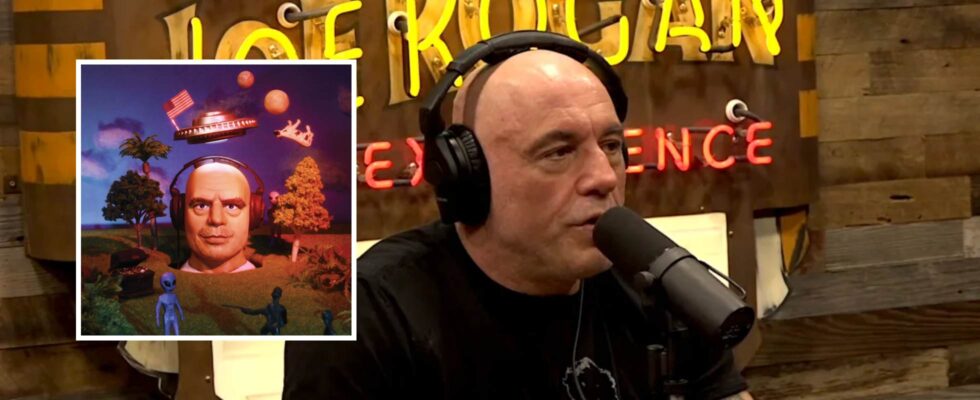
Farina specifically mentioned Joe Rogan’s podcast as part of this problematic ecosystem. “It’s gotten so bad that it’s gotten so profitable when it starts teaming up with the podcast space with like Joe Rogan and people like that,” he said.
The reference came in the context of discussing how pseudoscience has become mainstream enough to influence federal institutions, culminating in what Farina described as “state sanctioned science denial” in the current administration.
The science communicator outlined various ways that misinformation merchants monetize their platforms, from advertising revenue to supplement sales.
He stated: “There are institutions that take advantage of people for political purposes, sure. But when it comes to an individual, like in the pseudoarchaeology space, someone like Jimmy Corsetti or whatever, it’s often much simpler than that. I can go on YouTube and spew a bunch of c**p that makes people feel smart and special, an anti-establishment narrative that people can latch on to. With that, I can earn 200k a year or something, and that’s better than whatever lame entry level corporate job I would get for 70k.”
Farina emphasized that the messaging across various forms of science denial follows similar patterns. “The tone of the messaging is always the same, right? There’s always some kind of faceless amorphous evil. So it’s big pharma or it’s big physics. It’s laughable how you can just slap the prefix big on anything. You know, big archaeology they even say, and we’re raging against this thing.”
He argued that this type of rhetoric creates a dangerous dynamic where people are encouraged to reject expert consensus. “Believe this one sensational story from this one fr*ud. Don’t listen to the consensus of the global scientific community with millions of people working in different countries under different governments, public sector, private sector, etc.”
When discussing why factual information struggles to compete with misinformation, Farina was characteristically blunt. He stated: “Because people are dumb and lies are sexy and fun. It’s just as simple as that.”
He explained that sensationalist content will always have more immediate appeal than educational material, regardless of how engaging educators try to make their presentations.
Farina advocates for a more combative approach to countering misinformation, rejecting the overly polite tone that has traditionally characterized scientific discourse.
“I think that there’s been too many niceties over the decades. There’s been too many overly good faith and just overly charitable, you know, talking about creationism and evolutionary biology as though they’re competing theories. They’re not. It’s science and pseudoscience. This is pseudoscience. This is lies. They’re fra*ds pedelling lies for money. That’s what’s happening.”
