

The fitness industry’s “science-based” movement promised to cut through bro science and myths with evidence and research. But recent controversies have exposed uncomfortable truths about whether this promise has been kept—or if it’s become just another marketing gimmick. Fitness YouTuber Josh Brett talked about it in his recent YouTube video.
The cracks became impossible to ignore when physical altercations, accusations of defending allegedly enhanced athletes, and questions about academic integrity rocked the community’s most prominent figures.
In case you missed it, Mike Van Wyck assaulted Jeff Nippard. This is not fake. Here’s the original video.
Word has it that this was not the end of the encounter.#massiveiron pic.twitter.com/tki16f3RS9
— MassiveIron (@massive_iron) October 21, 2024
Dr. Mike Israetel’s PhD thesis came under fire, with critics finding “hundreds of basic errors, typos, incorrect references, even data tables with impossible standard deviations.” His defense that he submitted the wrong draft collapsed when evidence suggested the criticized version was indeed final, leading to accusations of editing the document after the fact and misleading his audience.
These incidents highlight a deeper problem: the tension between genuine science and social media success. As Brett noted, “science is all about nuance whereas social media rewards certainty.”
Real research moves slowly and carefully, but platforms reward speed, emotion, and provocative claims. A measured explanation of calorie balance might get 200,000 views, while “lose fat in one week” generates 24 million.
This creates a troubling pattern. Science-based creators increasingly use clickbait tactics—starting with inflammatory statements like “hammer curls are stupid” before walking them back with context.
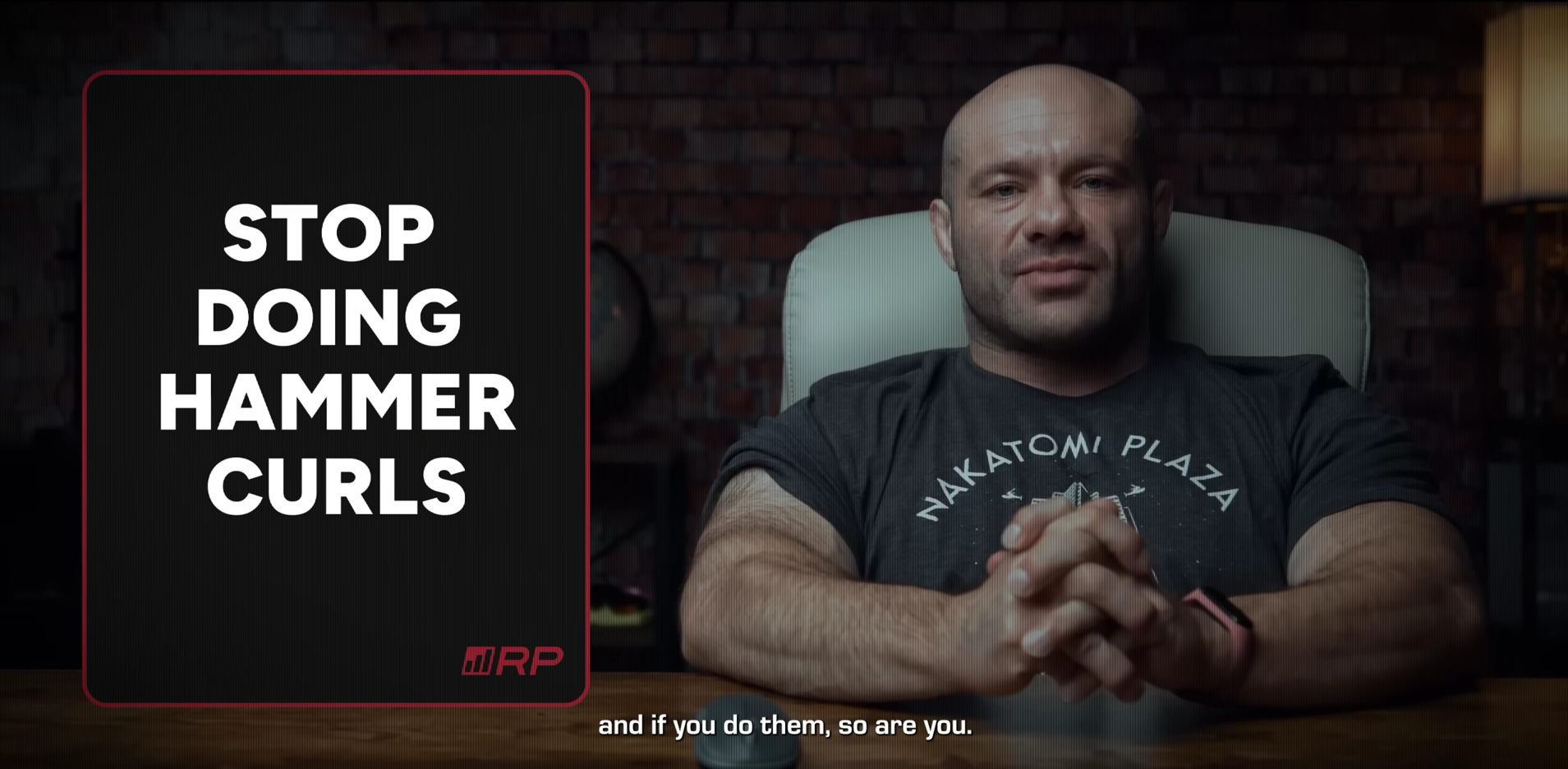
They make questionable claims about sleep being “comparable to tons of anabolic drugs” or suggest people “should probably train more than the pro bodybuilders.” The strategy works for engagement, but sacrifices accuracy.
The consequences extend beyond individual mistakes. When doctors use “flowery language to maximize views at the expense of information quality,” as happened with Dr. Oz, it erodes trust in science itself.
People initially embrace science-based advice as a magic bullet, then swing to rejecting science altogether when the magic doesn’t materialize—falling prey to even worse misinformation.
The research itself has limitations too. Exercise science faces a replication crisis, with approximately 85% of meta-analyses containing at least one statistical error. Small sample sizes, underfunding, and publication bias toward flashy results are common. Some studies prescribe completely unrealistic protocols that no one could actually follow.
Red flags for spotting misinformation include extreme claims with absolute language, miracle results, conspiracy theories about “suppressed” science, meaningless buzzwords, appeals to credentials over evidence, refusing to admit errors, and fear-based messaging claiming common foods are “likely deadly.”
The solution isn’t abandoning science—it’s demanding better from those who claim to represent it. As one expert explained, science is “the best tool we have to carve away the nonsense and get down to what is generally going to work for the most amount of people the most of the time.”
But when educators prioritize pride over truth, delete evidence, or rewrite history, they damage not just their own credibility but public trust in science itself.
Being science-based should mean intellectual honesty, admitting limitations, and respecting that fitness combines evidence with experience.
