

YouTuber Coach Kolton recently highlighted in his video a case where a teenage gym-goer transformed his appearance drastically within six months of starting testosterone, but not in the way he likely intended.
“He basically went from looking like a 19-year-old nerd to a 31-year-old construction worker in 6 months,” Kolton observed, noting the dramatic acceleration in visible aging.
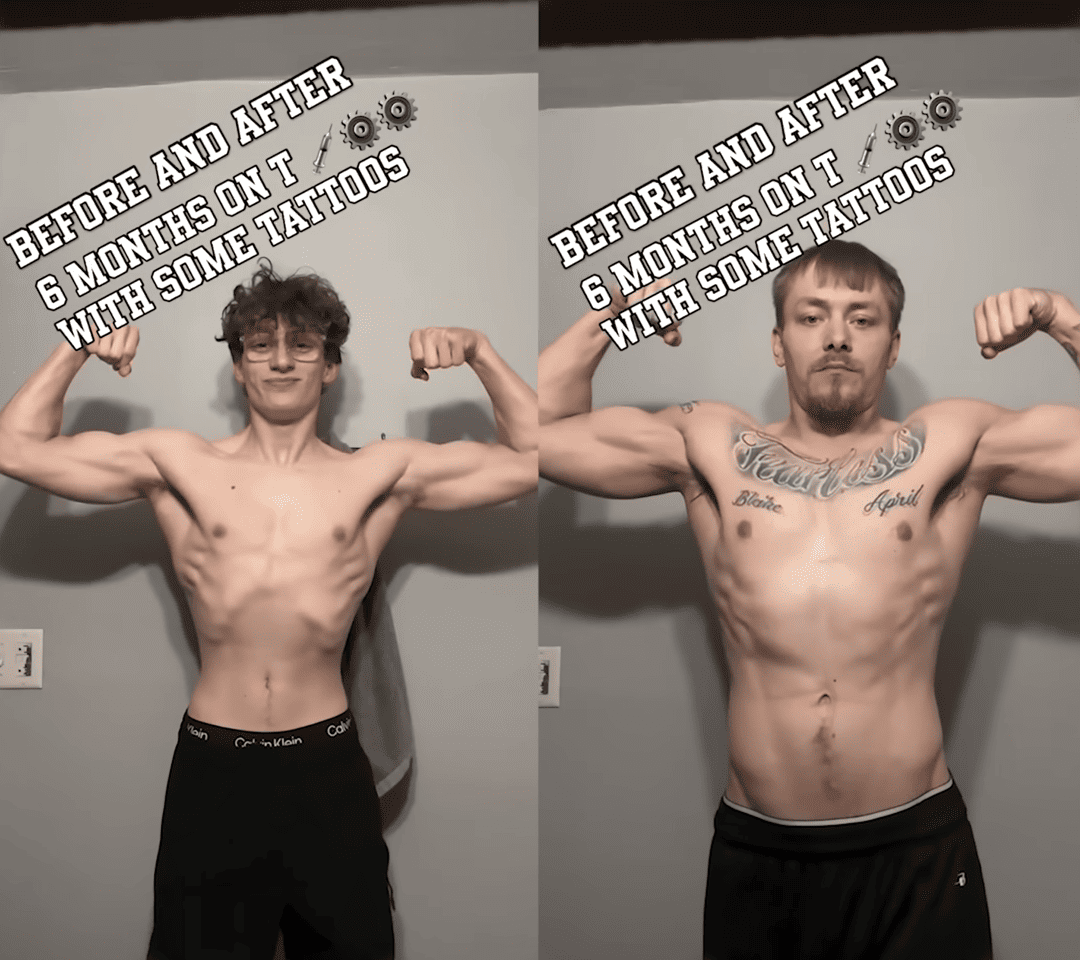
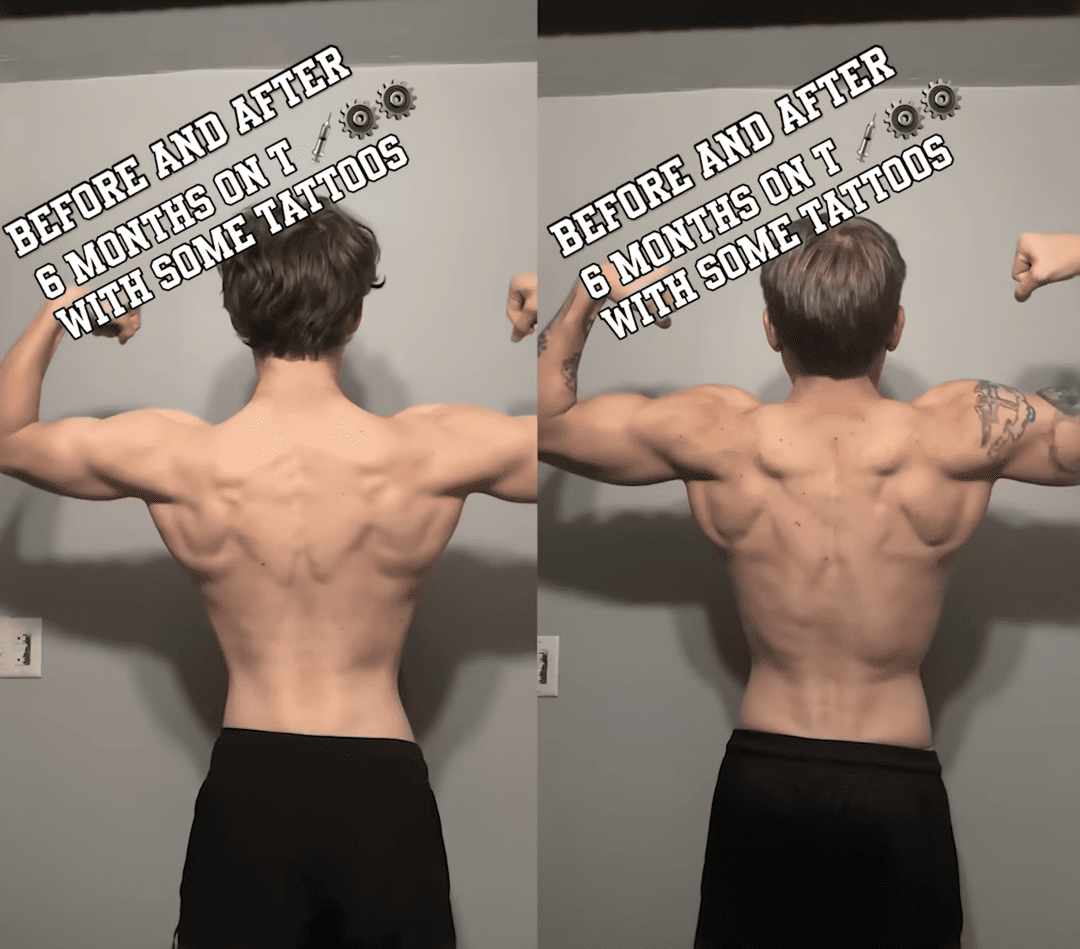
The incident shows a growing concern in fitness culture: young people turning to PEDs before understanding the highly variable outcomes.
While social media showcases hyperresponders who build impressive physiques quickly, it rarely features the far more common experience of underwhelming results paired with significant side effects.
According to Kolton, response to roids varies dramatically based on genetic factors most users never consider. Androgen receptor density, satellite cell pools, and individual hormone metabolism all determine whether someone will build substantial muscle or simply age prematurely while gaining little.
“You could have someone with very high androgen receptor density who had an amazing physique naturally,” he explains. “Then another guy blasting himself to the moon, and one is going to have a tremendous time while the other guy is struggling.”
This genetic lottery means two people following identical protocols can have completely opposite experiences. The hyperresponder gains muscle efficiently while potentially managing side effects better.
The underresponder faces accelerated aging, hair loss, and skin texture changes while making minimal physical progress. Both groups experience negative effects, but only one receives the muscular payoff that supposedly justifies the risk.
The phenomenon reflects what Kolton calls “success bias” in online fitness spaces. Platforms predominantly feature genetic responders with impressive transformations, creating unrealistic expectations.
The numerous people who experience poor results remain invisible, leading newcomers to believe everyone succeeds equally. This distortion pushes underresponders to increase dosages dangerously, chasing results their biology cannot deliver.
Meanwhile, the aesthetic damage accumulates regardless of muscle gains. The skin quality deterioration and premature aging visible in the 19-year-old’s photos represent changes that persist even after discontinuing use. While some former users reportedly recover a healthier appearance after stopping, the accelerated biological stress leaves lasting marks.
Kolton emphasizes that most aesthetic goals remain achievable through conventional training and nutrition, particularly since over 150 genetic factors influence how individuals respond to resistance exercise alone.
Rather than pursuing an unrealistic ideal based on someone else’s genetic advantages, he advocates focusing on optimizing one’s own potential naturally.
