
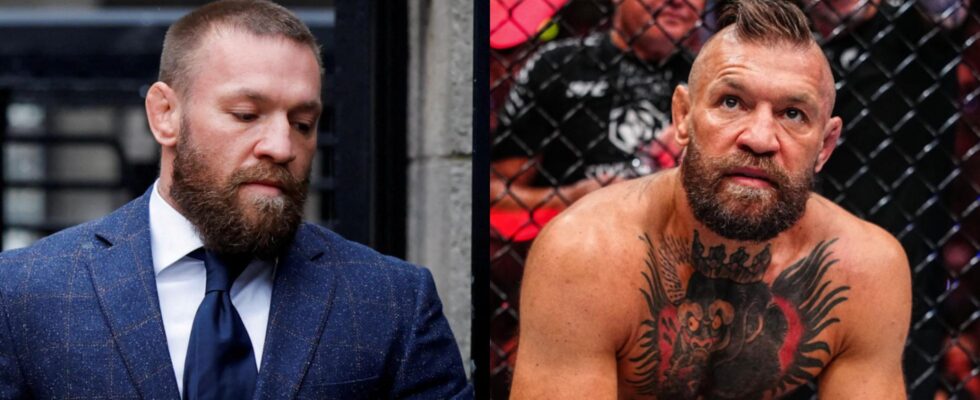
With Conor McGregor’s return at UFC 329 drawing widespread attention, MMA analyst Luke Thomas raised direct questions about why McGregor’s civil trial, in which he was found liable for a particularly heinous act, received almost no examination from combat sports media.
The subject came up during a broadcast after a viewer referenced a report that a prior McGregor interview had fallen through after his camp reportedly wanted his civil case placed off limits. When the interview eventually did happen, the topic was reportedly avoided entirely.
Thomas acknowledged he had not watched the interview but struggled to identify any reasonable editorial justification for the omission.
“Just ask yourself what would be the editorial argument that this is irrelevant,” Thomas said. “I don’t know that it would be.”
Thomas pointed to his own professional shortcoming during a Showtime Boxing interview with Gervonta Davis, where he had planned to ask about the athlete’s arrest but ran out of time as handlers rushed the session to a close. He called it a failure.
“You got to do it at some point, like you have to do it,” he said. “I regret that.”
He took a harder line on what he observed around McGregor’s UFC 329 return, describing an environment where even attempting to raise the topic invited swift backlash from fans, athletes, and other media figures. Thomas said he had followed the civil proceedings closely.
“I covered it every single day. I talked to Ireland’s number one cr*me reporter,” he said, adding that McGregor “got mollywapped in court” and that the individuals who ultimately decided the outcome had seen all available evidence.
A friend of Thomas who mentioned on another podcast that McGregor had lost at trial received hostile messages and abuse as a result, Thomas said.
He found the collective silence particularly troubling given McGregor’s standing in the sport.
“The most popular athlete in MMA history, having all of the legal issues he had, not merely the Nikita Hand case, like all of that goes into something where you are then forced to kind of reckon with what this ultimately is,” he said.
He also pushed back on the argument that fans simply want entertainment and do not need personal context around athletes, calling it a transactional attitude he found deeply troubling. He acknowledged voluntarily dialing back coverage of McGregor but said covering difficult subjects critically still served a legitimate purpose.
“Covering it critically, or covering it from a way that the general tenor of how the industry wouldn’t, is actually a contribution,” he said.
