
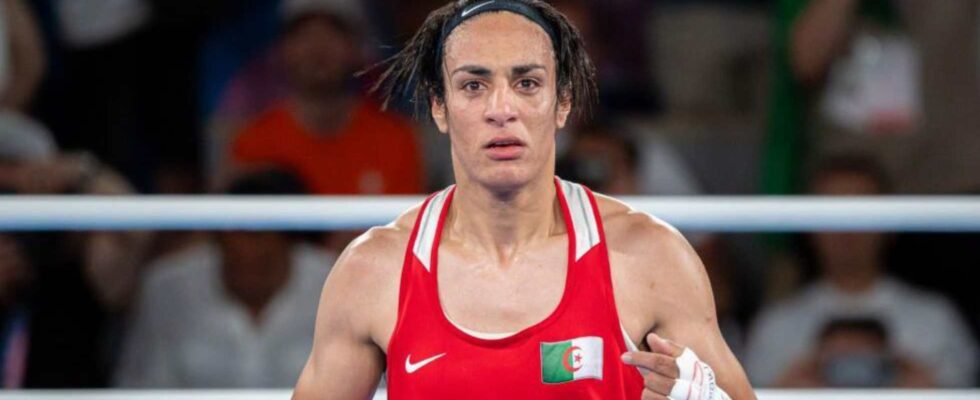
Algerian boxing champion Imane Khelif, who captured gold at the Paris 2024 Olympics, has announced her intention to compete at the Los Angeles Games.
Khelif’s victory in Paris became one of the most discussed moments of the Games. However, the boxer has declared her unwavering commitment to defending her Olympic title.
“Yes, God willing, I am still determined to achieve another Olympic medal,” she stated to The Daily Mail. “I am working on many surprises that I have not yet announced, but God willing, we will be on the right track.”
Her announcement comes as the International Olympic Committee prepares to implement potentially far-reaching policy changes under new president Kirsty Coventry. Sources close to the organization indicate that sweeping reforms are under consideration for the 2028 Games, particularly concerning transgender participation in female categories.
The IOC currently allows individual sports federations to establish their own eligibility policies, typically based on testosterone level thresholds. However, discussions are now underway about introducing a comprehensive ban on transgender women across all Olympic sports. This is a significant departure from the framework that permitted New Zealand’s Laurel Hubbard to compete in weightlifting at Tokyo 2021.
While the direction appears set for transgender policy, the situation remains far more complex for athletes with differences of sex development, a category that sparked intense debate during the Paris Olympics.
Khelif and Taiwan’s Lin Yu-ting both won gold medals in boxing despite having been disqualified from the 2023 World Championships after reportedly failing gender eligibility tests.
The IOC has emphasized that no final decisions have been made. Following a presentation last week in Lausanne by Dr. Jane Thornton, the organization’s director of medical, health, and science, an official statement clarified: “The working group is continuing its discussions on this topic and no decisions have been taken yet.”
That presentation reportedly drew important distinctions between transgender athletes and those with DSD conditions—individuals who possess male chromosomes but were assigned female at birth and raised as such. The scientific and ethical complexities surrounding these cases differ substantially, making consensus more difficult to achieve within the organization.
For Khelif, the ongoing controversy has taken a personal toll. “In the Paris Olympics and after, and even now, I am still being subjected to campaigns, injustice, and new decisions from international federations, but I currently have a case in the Court of Arbitration for Sport, and God willing, it will be for the best,” she explained.
She has been particularly critical of regulations introduced by World Boxing, which she believes unfairly single her out. “This law issued by the International Boxing Association was specifically for Iman Khalif and not for athletes,” she said. “They issued this law after the Paris Olympics. Today I am fighting inside and outside the ring, but the law is above all voices, and the decision is fundamentally illogical and contrary to the law.”
Despite the challenges and continuing criticism, Khelif remains resolute. “The dream continues, and the work continues, and as for the campaigns and the people who criticize, I say to them, continue, because I am developing,” she said.
The timeline for any IOC policy changes remains unclear. While some reports have suggested announcements could come as early as February, officials familiar with the discussions estimate the approval process could take anywhere from six months to a full year. Changes are unlikely to be implemented before the Winter Olympics in Italy next February.
