

Josh Bridgman has built his reputation on transparency. The bodybuilder, currently preparing to qualify for Mr. Olympia, has documented every roid cycle and blood work result on his YouTube channel for years. Now, after nearly a decade of use, he is laying out the real physical cost, and it goes far beyond what most people in the fitness world are willing to admit.
“You’ve seen the guy. Jacked. Big arms, shredded abs. Looks like he could flip a car. But something’s off. His face looks like he’s been through war. Puffy, rough, way older than his age,” Bridgman said, describing a look that, by his own admission, applies to himself.

The most visible sign of long-term use, according to Bridgman, is facial aging. Roids alter how the body manages water, causing fluid to collect in the cheeks, jaw, and under the eyes. On top of that, fat redistribution pushes weight into the face and neck rather than the hips and legs. Facial muscles also grow under roid use, compounding the swollen appearance.

“The sharp lines are gone, the jawline, the cheekbones. It’s all just buried under fluid and fat,” he said.
When the skin repeatedly stretches from swelling, collagen breaks down and stops bouncing back, accelerating fine lines years ahead of schedule.
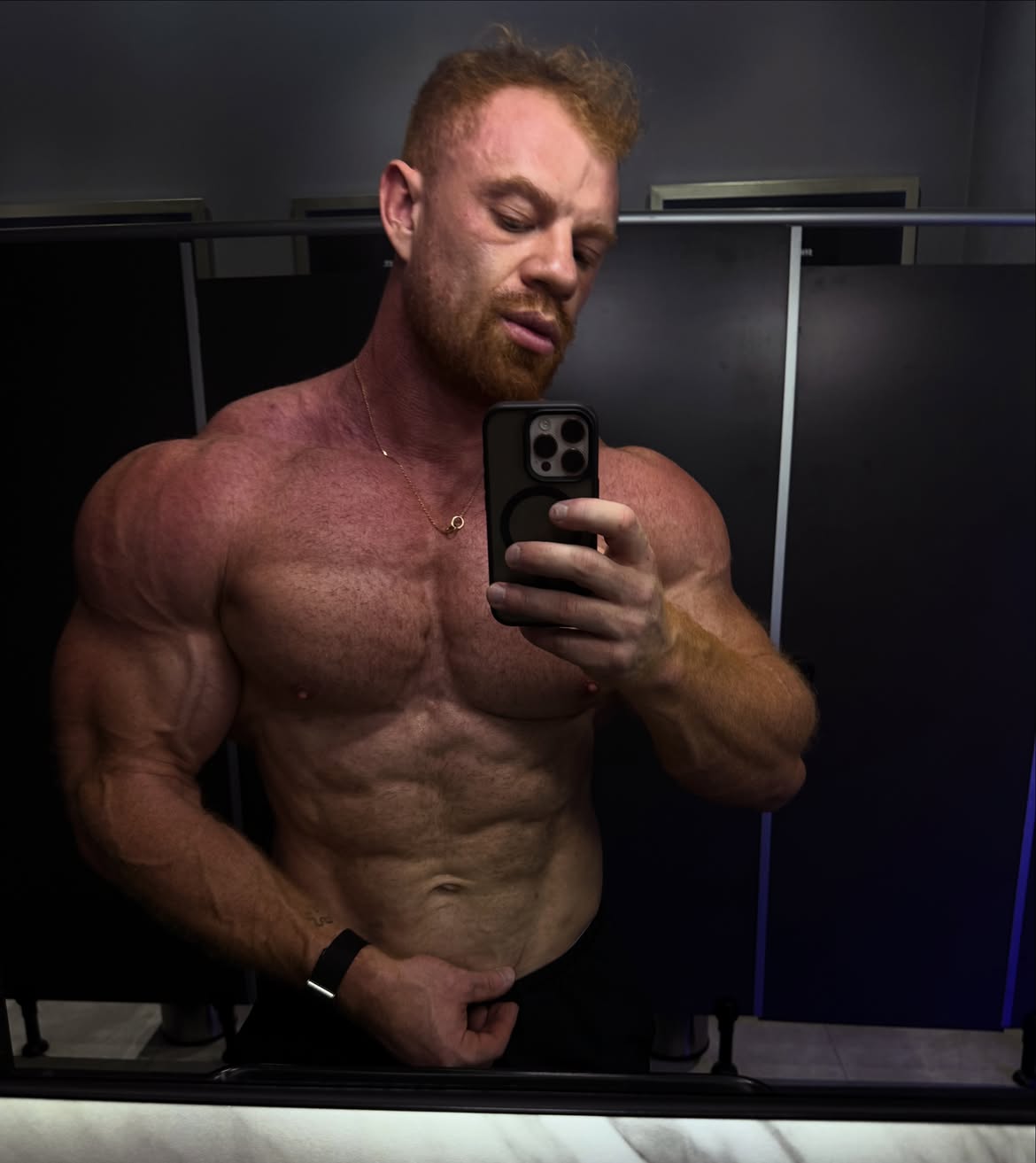
“Some of this can reverse when you do stop using it, but if you’ve been doing it for a decade or a long time, you’re not getting that structure back. The damage is done.”
Bridgman points to hairline recession as one of the most permanent and early visible consequences. Elevated testosterone converts to dihydrotestosterone, or DHT, which binds to hair follicles and triggers a process called miniaturization, progressively shrinking them until they stop producing visible hair entirely.
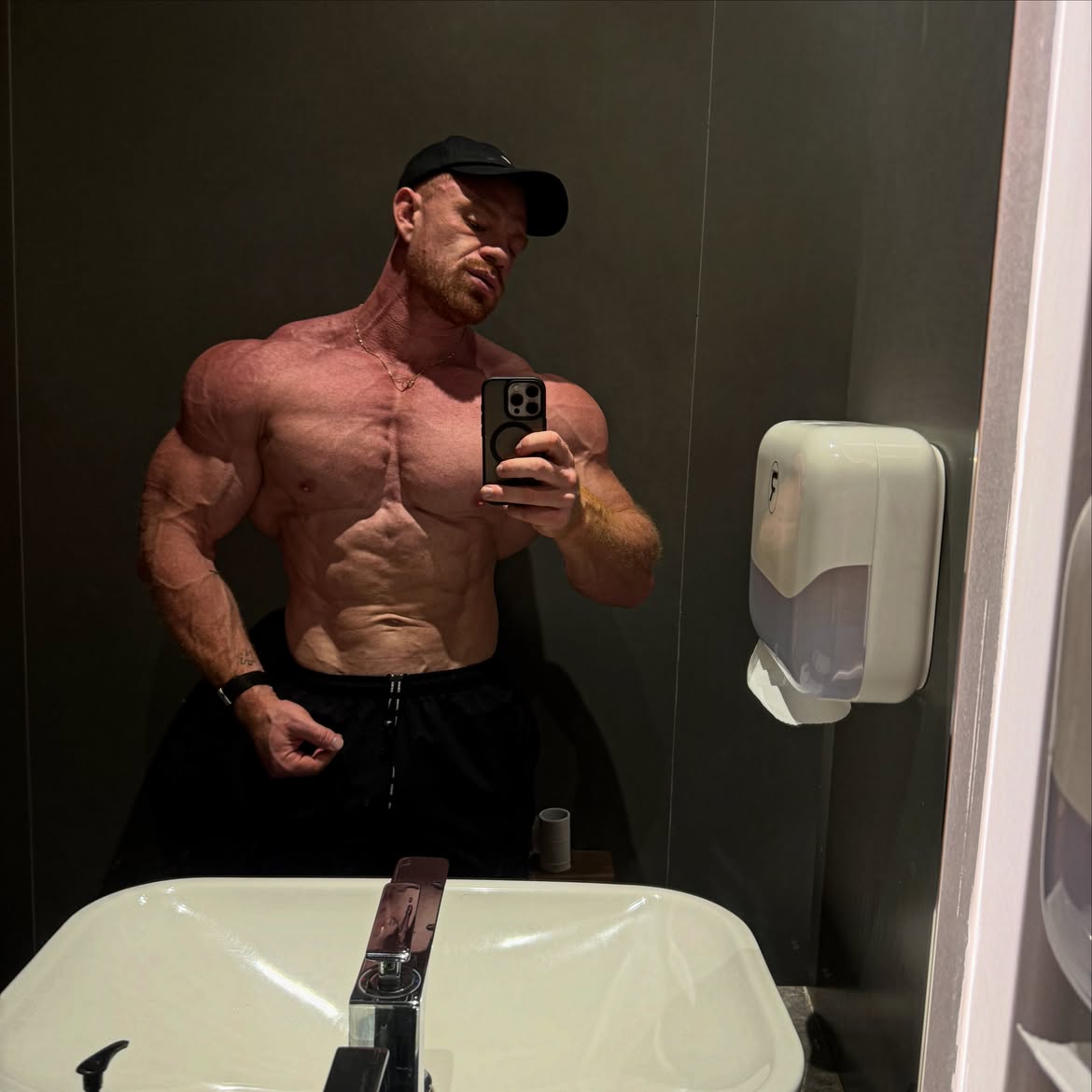
“I have the same head of hair right now as my dad, and he’s 30 years older than me,” he said.
On the skin, elevated androgens drive sebaceous glands into overdrive, which can result in cystic acne and permanent scarring that lingers long after use ends.
Bridgman reserves his most serious warning for internal consequences. The heart responds to roid use like any other muscle, growing thicker, particularly in the left ventricle. A thickened heart wall becomes stiffer, raises blood pressure, and significantly increases the risk of cardiac events.
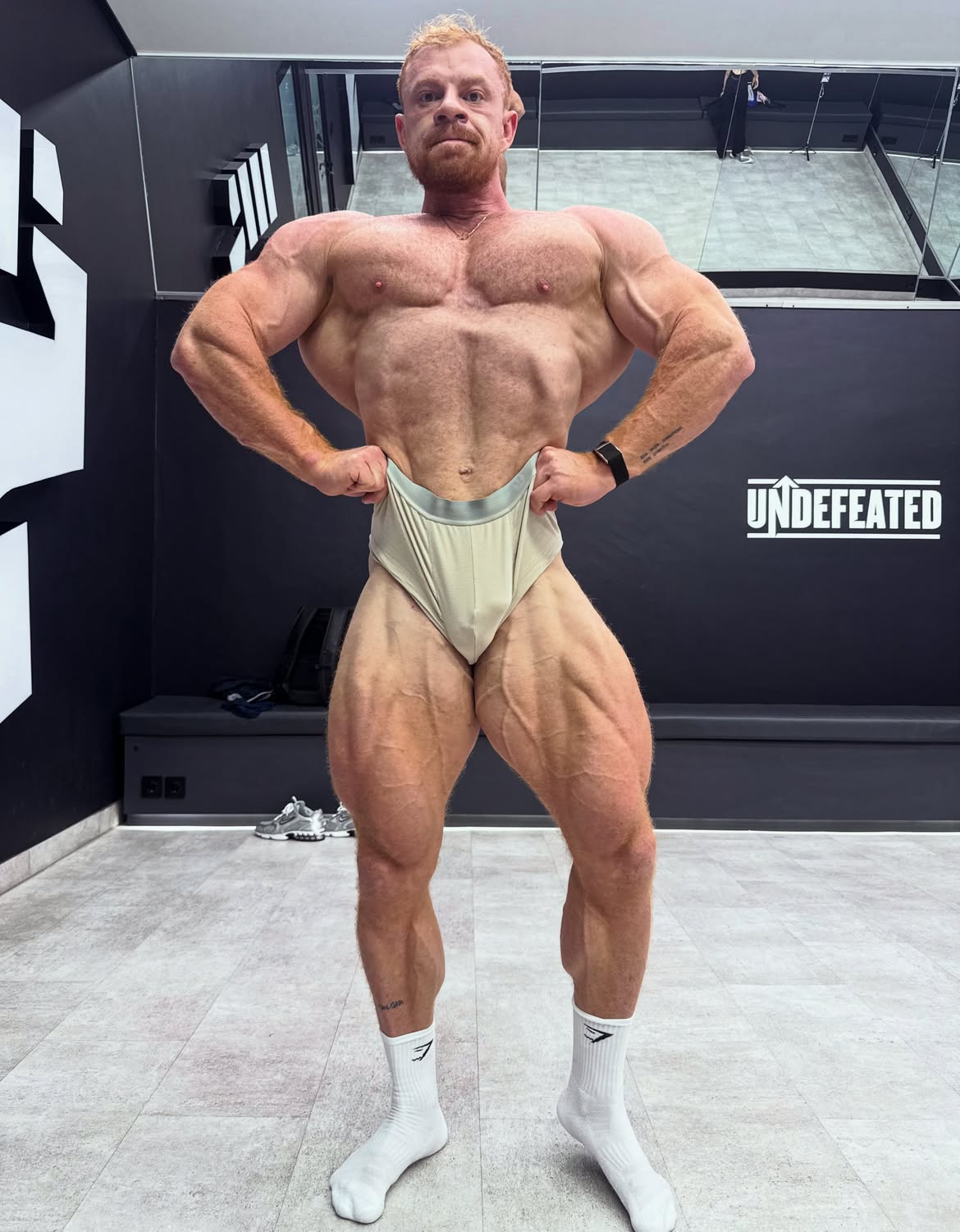
“Bodybuilders can pass away at a young rate. That should put a scare into someone considering this path,” he said.
The liver is taxed by processing synthetic hormones, kidneys quietly decline under increased waste filtration, and research shows chronic use causes measurable structural changes to certain brain regions, leading to cognitive decline, memory issues, and emotional instability.
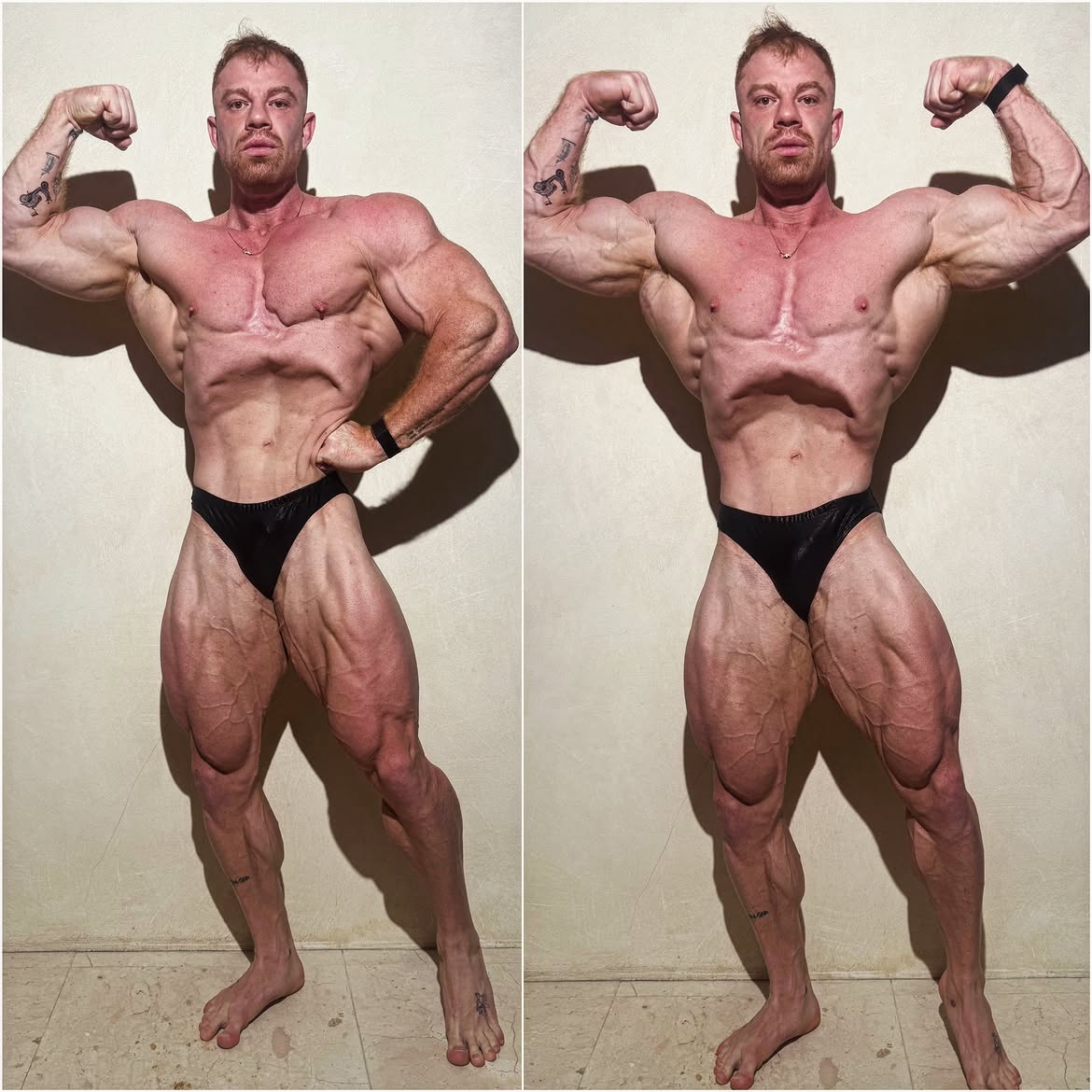
“I am considerably less emotionally stable and considerably more hot-headed,” Bridgman acknowledged from personal experience.
“The muscles grow, but so does the biological debt,” he said. “Every cycle is a rep against your skin, your liver, your kidneys, your brain.”
Despite the trade-offs, Bridgman continues competing. But he is clear on who he would warn off: anyone who simply wants to look a little better.
