
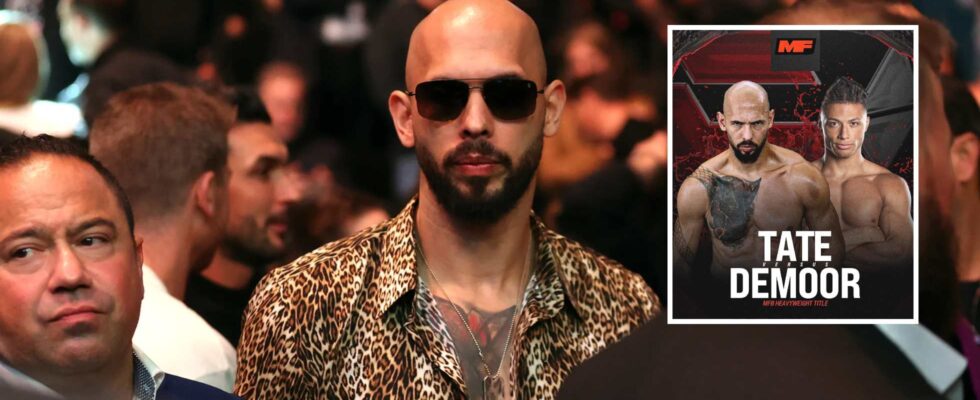
Andrew Tate has spent the past few weeks performing a loud, choreographed tour of self-promotion. He has filmed himself hitting pads on private flights, posing in tight shorts at random gyms, and sparring for a camera crew that documents his every movement for his personal content machine.
The goal is simple. He wants audiences to believe he belongs in a sport that has spent more than a century trying to present itself as disciplined and honorable.
Yet next month in Dubai, Misfits Boxing planned to give him a prime stage against former American football player Chase DeMoor. The influencer-fighting brand has become famous for throwing social media personalities, entertainers, and online provocateurs into boxing rings. For Misfits, Tate is another ready-made spectacle who can generate viral traffic through outrage and curiosity.
One problem remained. Tate arrives with a serious cloud over him. He is facing charges in the United Kingdom that involve s**ual violence, trafficking, and coercive behavior. He denies everything, but the accusations form a backdrop that no major sports platform wants near its broadcast.
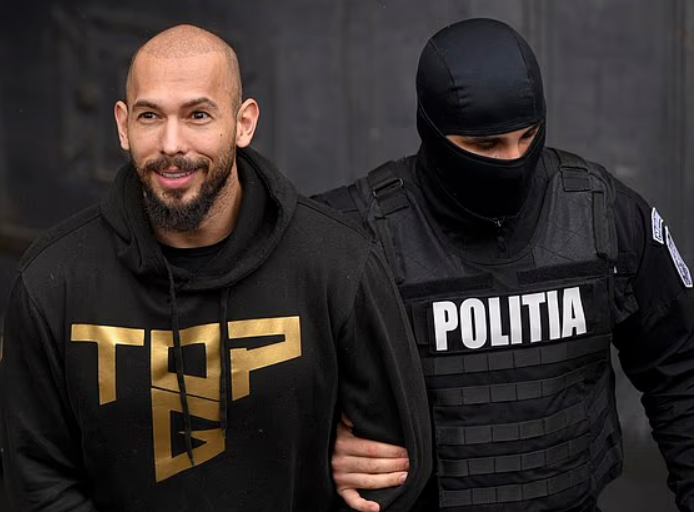
Critics have also pointed out his long history of promoting messages that demean women and glamorize cruelty. His most devoted followers treat these positions as self-help truths, which only magnifies the concern around his influence.
Behind the scenes, DAZN reviewed its position. The streaming service has a long-term broadcast agreement with Misfits. Even so, DAZN quietly decided that Tate’s debut would not air on its platform. The company has avoided public comment, but people close to the situation suggest the decision came from a clear risk assessment. Tate’s involvement created a reputational cost that outweighed whatever attention he might bring.
The decision lands at an awkward moment for Misfits. The brand built its identity around confrontation. It has repeatedly offered a stage to creators whose public behavior sits far outside the norms of traditional sport.
Harrison “HSTikkyTokky” Sullivan used Misfits events to elevate his own brash persona despite warnings from regulators about his financial schemes.
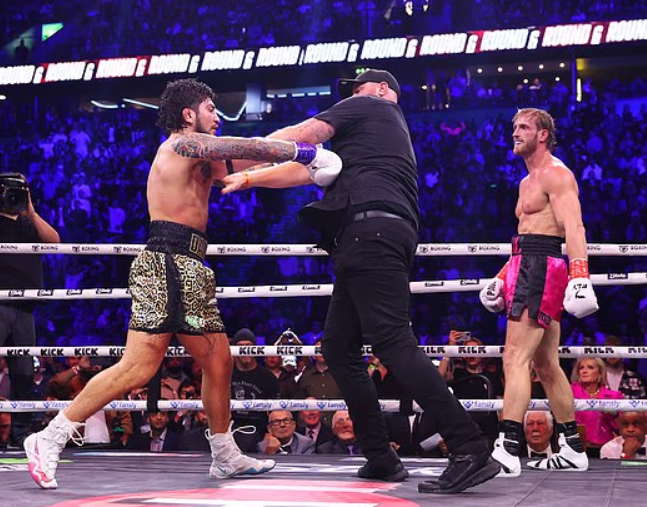
Dillon Danis used the platform to fuel a campaign of harassment toward Nina Agdal, which later became the center of a lawsuit.
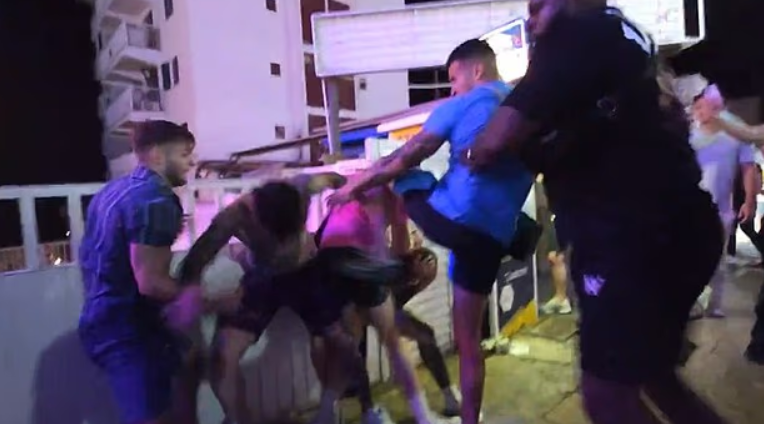
Even routine weigh-ins have turned into chaotic scenes where shoving, spitting, and staged fights are used to manufacture attention.
Tate’s arrival fits that pattern almost too well. He has framed himself as a hostile outsider who believes all criticism is an attack on masculinity. Misfits treated that posture as an asset rather than a warning sign.
Tate even claimed he had taken control of the company’s leadership, calling himself a new “boss” of the organization. Misfits never directly clarified his statement, which only amplified the circus-like atmosphere that surrounds the event.
Inside the wider boxing world, frustration continues to grow. Coaches who run grassroots clubs insist that influencer fighting has become a magnet for bad behavior. They work with young athletes on discipline and respect, while the digital fight scene rewards whoever can generate the most reckless content.
They argue that casual viewers no longer separate real boxing from these online exhibitions. They see Misfits as a force that drags the sport’s name through the mud while giving attention to personalities who would struggle to hold any role in a regulated athletic environment.
Recent safety concerns have added even more tension. Several Misfits matchups have involved boxers with limited experience, which has resulted in quick and worrying knockouts.
The Professional Boxing Association eventually suspended Misfits’ promoter licenses and stated that repeated rule breaches and disregard for safety had left them no choice. The suspension did not slow Misfits down. The brand simply continued operating through different channels and insisted that critics were overreacting.
DAZN’s refusal to show Tate’s debut is the first sign that a major partner is no longer willing to absorb the fallout. The company does not want its logo attached to the event. Misfits will still run the show, but it loses the global distribution that elevated its previous broadcasts. This removes a financial incentive and weakens the illusion that the brand sits beside legitimate boxing.
Tate continues to frame himself as a misunderstood icon who thrives on conflict. He posts training photos with captions that glorify dominance and fatalistic strength. Misfits presents his claims without challenge because controversy is the currency that keeps the brand alive.
But this time, the attempt to turn outrage into profit has hit a boundary. DAZN has made its position clear through actions rather than statements. It will not provide a platform for Tate’s performance.
