

A heated dispute between a Chinese bodybuilder known as Muray and his coach Wei has led to major controversy in the fitness community. This happened after the athlete’s blood pressure reached a life-threatening 238 over an undisclosed diastolic reading.
The conflict began when the coach terminated their relationship six weeks before a competition, leaving the bodybuilder scrambling to prepare. Fitness YouTuber Greg Doucette talked about the incident in his recent video.
Muray took to social media, questioning why his coach would abandon him during crucial preparation time. Comparing photos from the previous year to his current condition, the bodybuilder showed visible muscle loss and poor conditioning.
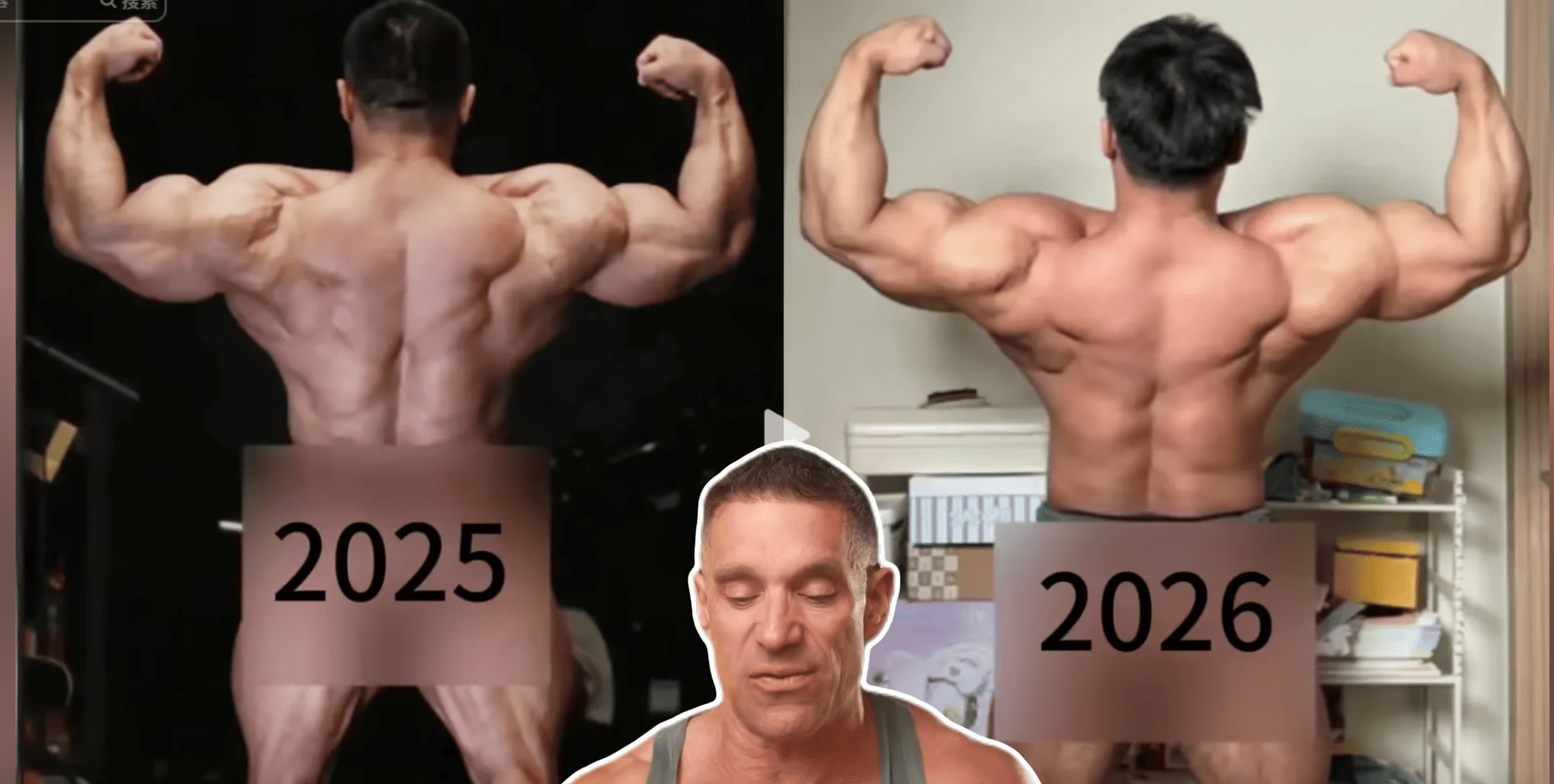
According to fitness commentator Greg Doucette, “This man should not be competing. If he competes looking like this, he’s going to be extremely disappointed.”
In response to the public criticism, the coach defended his decision by posting his client’s complete st**oid cycle without permission. The coach claimed health concerns motivated his actions, stating the regimen was excessive and potentially fatal.
Muray disputes the posted cycle, claiming his coach prescribed a three-month continuous regimen of clenbuterol and T4 thyroid medication. While the bodybuilder argued for a standard two-weeks-on, one-week-off protocol, Doucette suggests neither approach is ideal.
“If you need to use Clen three or four months before the competition, you’re not ready,” he explained, noting the d**g only burns approximately 150 calories daily while carrying significant cardiovascular risks.
The central issue remains the athlete’s dangerously elevated blood pressure. At 238 systolic, medical experts would consider this a hypertensive emergency requiring immediate intervention.
Doucette emphasized the severity: “When your blood pressure is 238, you’re knocking on heaven’s door. You need to stop competing. You need to retire.”
The coach’s decision to walk away, while potentially driven by legitimate health concerns, was complicated by a lack of transparent communication.
Rather than directly addressing the medical crisis, he cited being too busy and offered to find a replacement coach. Critics argue he should have been forthright about his concerns regarding the athlete’s dangerous health markers.
At 37 years old with a wife and children, the bodybuilder faces a critical decision about his competitive future. The pursuit of a professional card has come at a severe cost to his cardiovascular health.
