
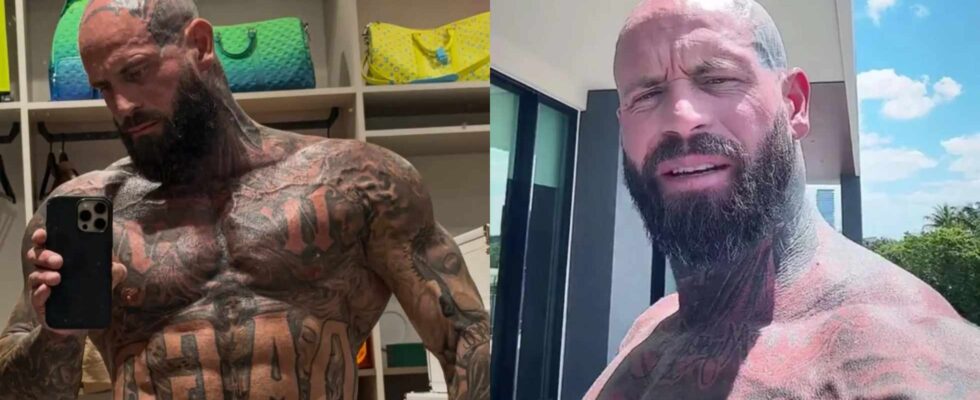
Wes Watson’s attempt to dismiss a civil lawsuit against him has backfired spectacularly after his own deposition testimony revealed a glaring double standard in how he treats online content.
According to sources, Watson had asked the court to throw out the case brought by Hakeem Ibrahim with prejudice and impose sanctions on Ibrahim and his attorneys, claiming fraud against the court. The fitness influencer argued that inconsistencies in Ibrahim’s statements proved a calculated scheme to deceive the legal system.
However, during a July 30th evidentiary hearing, the judge denied Watson’s request, and the case remains active.
The most damaging evidence came not from Ibrahim, but from Watson himself. During his December 2025 deposition, Watson repeatedly testified that his own social media content should not be taken literally.
When questioned about an incident involving a razor blade that he discussed in a video, Watson admitted, “None of that is even real.” He described his online presence as “a reality show with commercials” and explained, “It’s all a TV show. It’s all part of an ongoing like, you know, it’s sh0ck value.”
Watson went further, stating, “Everyone knows it’s all partially fiction. It’s like WWE. It’s like wrestling. It’s not real.”
This testimony created a fundamental problem for Watson’s legal strategy. His fraud claim relied heavily on treating Ibrahim’s aggressive Instagram messages as literal proof that Ibrahim intended physical confrontation. Yet Watson simultaneously argued that his own provocative online statements were merely performance art and sh0ck value content.
Ibrahim’s attorneys seized on this contradiction in their opposition filing. They argued that Watson was applying one standard to himself and another to their client.
As the filing stated, “When defendant Wes Watson says you can’t believe what he says in social media posts because it’s just a story, it’s not real, it’s fine. But when plaintiff says it, it’s worthy of dismissal.”
Watson’s motion also focused on differences between what Ibrahim told police immediately after the incident and his later deposition testimony. Ibrahim initially suggested he expected confrontation, but later testified he never anticipated actual physical violence. Ibrahim’s attorneys countered that these inconsistencies were understandable given their client had suffered multiple facial fractures, a concussion, and a traumatic brain injury during the encounter.
The opposition argued that Watson was attempting to turn ordinary impeachment material into grounds for fraud dismissal. They maintained that any inconsistencies in Ibrahim’s statements belonged in front of a jury, not in a pre-trial dismissal motion.
The judge evidently agreed. After the evidentiary hearing, Watson’s motion was denied. While Watson can still use Ibrahim’s inconsistent statements during trial, he failed to achieve the complete case dismissal he sought. The civil lawsuit continues toward trial, though settlement negotiations remain possible.
Watson’s deposition testimony may have permanently undermined his credibility on the question of how seriously courts should take social media content.
