

Recently surfaced medical documents have sparked intense debate around Algerian boxer Imane Khelif’s participation in women’s boxing. This revelation stems from a report by French and Algerian medical experts, which discloses that Khelif has an XY chromosome structure, typically associated with biological males. A closer look into the findings reveals significant details about Khelif’s physiology, highlighting a rare genetic condition known as 5-alpha reductase deficiency.
This condition impacts physical development from birth, often resulting in atypical genitalia and causing some infants to be mistakenly assigned female. As children affected by this condition grow, signs of masculinization emerge, particularly around puberty, when traits like muscle growth, increased body hair, and the absence of menstruation become apparent. For individuals with 5-alpha reductase deficiency, this unusual presentation can result in lifelong misunderstandings about their gender identity without appropriate clinical intervention. Reduxx was the first to write on the report.

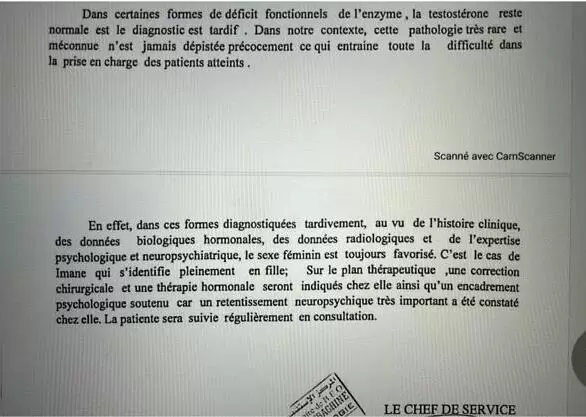
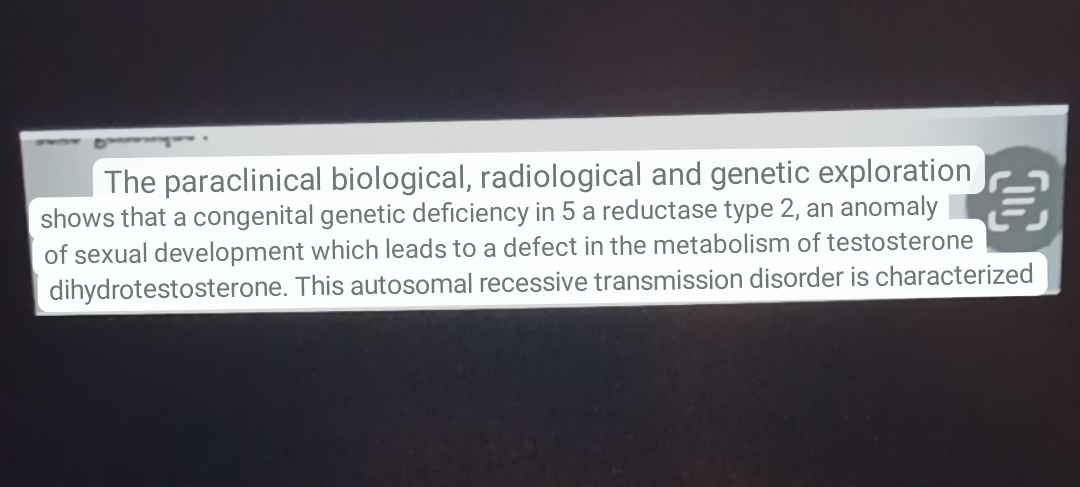
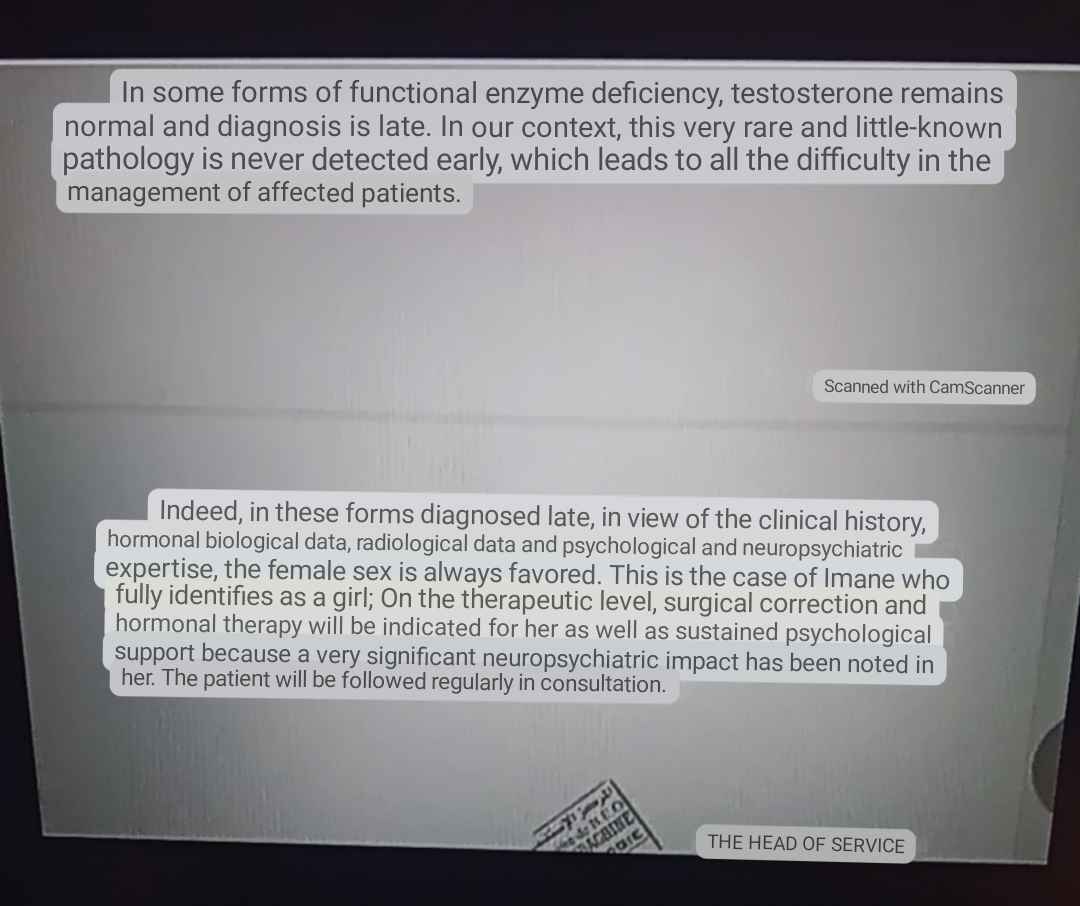
Google translations of said leaked medical report excerpts:
The medical report, accessed by journalist Djaffar Ait Aoudia, suggests that Khelif’s physical examination confirmed the presence of internal testicles and a lack of traditionally female reproductive organs, coupled with male testosterone levels. According to the report, these physical markers are definitive indicators of a male chromosomal pattern.
Aoudia also noted that doctors suggested Khelif’s parents may have been blood relatives.
“This enzymatic abnormality mainly affects boys (“never girls”, according to the specialists we interviewed), preventing the normal development of their sexual organs. At birth, male babies are presented with a blind vaginal pouch and, in the absence of a good diagnosis, they are often assigned a female identity.” – Djaffar Ait Aoudia writes.
The discovery of these genetic markers in Khelif—who recently clinched an Olympic gold in women’s boxing—raises questions about eligibility, fairness, and regulatory guidelines in women’s sports.
This revelation aligns with prior statements by Khelif’s coach, Georges Cazorla, who hinted at “chromosomal issues” following a disqualification by the International Boxing Association (IBA) earlier in the year. He disclosed that Khelif had been put on testosterone-suppressing medication after this assessment, despite ongoing ambiguity surrounding eligibility rules for female categories.
We have yet to see if this will affect Khelif’s announced transition to profesional boxing, pun intended.
