
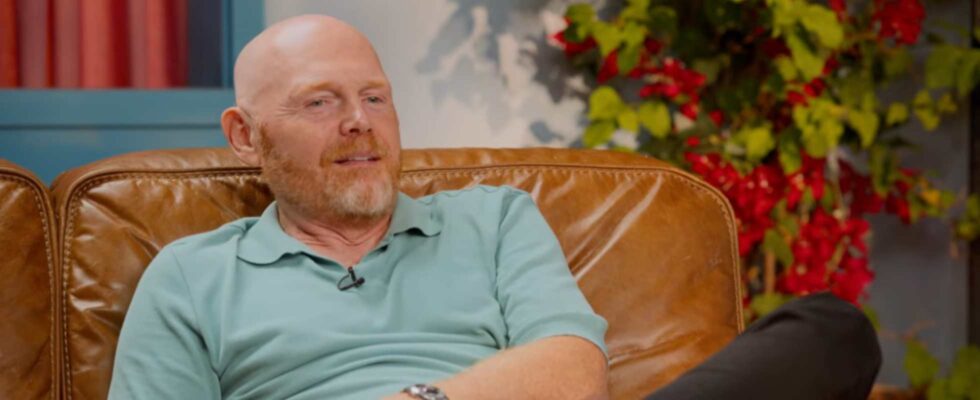
Bill Burr believes the internet has changed the way comedians build their careers, creating a system where being funny is no longer necessarily the most important factor in finding success.
During an appearance on the Listen and Laugh podcast with Ice Cube and Mike Epps, the veteran comedian discussed how social media has disrupted comedy’s traditional hierarchy. While comedians once had to spend years performing in clubs and developing their material, online platforms have opened up alternative routes to recognition.
“The internet does not reward the funniest person. They reward the person who’s best at the internet,” Burr stated.
He acknowledged that this can make it tempting for up-and-coming comedians to bypass the traditional route and focus on building an online following instead. However, he argued that the experience gained through years of live performances is what gives a comedian a solid foundation.
“If you are good at the internet, it can maybe be enticing to maybe skip some steps, but all of those rooms that we were talking about, doing the nooners, getting booed, going on after Greer Barnes trying to figure out how how can I get a laugh are the things If you do that, like what you’re building is in bedrock.”
The conversation also touched on whether someone can be considered a comedian without ever performing stand-up. Ice Cube brought up internet personalities who move directly into movies, prompting Burr to acknowledge that the industry has changed while warning against overlooking the importance of stage experience.
“If you skip steps, I think that it it can it can hurt you.”
Mike then highlighted the difference between comedians who have worked their way through traditional comedy circuits and those who have found success through newer platforms.
“I have worked on this too many more times than you have,” he said, referring to the advantage that comes with years of experience.
Burr agreed, pointing to the repetition involved in live comedy and how performing in front of different audiences helps comedians develop their timing, instincts and ability to get laughs.
However, Burr was careful not to dismiss those who are finding success through the internet. He argued that every generation makes use of the opportunities available to it, and today’s comedians should not be criticised for taking advantage of social media.
“Whatever they’re doing, if we were young, that’s what we would be doing. So you can’t get like, you know, we were back there churning butter. Like if people back in the day could just go buy butter at the store, they would have done it.”
He also pointed out that his own generation benefited from technology that made it easier to reach comedy clubs across the country. VHS tapes allowed comedians to record their performances and send them to venues, something earlier generations did not have access to.
“We also could like make tapes, you know, this is our generation. You could make a tape, send it out to clubs all over the country. Before that, I don’t know how those before VCRs, I don’t know how they made it.”
Despite recognising how much the industry has evolved, Burr maintained that the fundamentals of stand-up have not changed. Social media might help comedians get noticed, but building the ability to consistently make people laugh still requires work.
“You still have to do the same work.”
Burr also made it clear that he does not want to become a veteran comedian who dismisses newer ways of building a career simply because they differ from the path he followed. He accepts that making money and finding an audience through the internet is a legitimate route, even if it looks very different from the traditional comedy circuit.
“One of my big things is I’m not going to be this bitter old man saying that’s not comedy and you don’t know how…. If you can figure out a way to make money in this business, good for you,” Burr concluded.
