
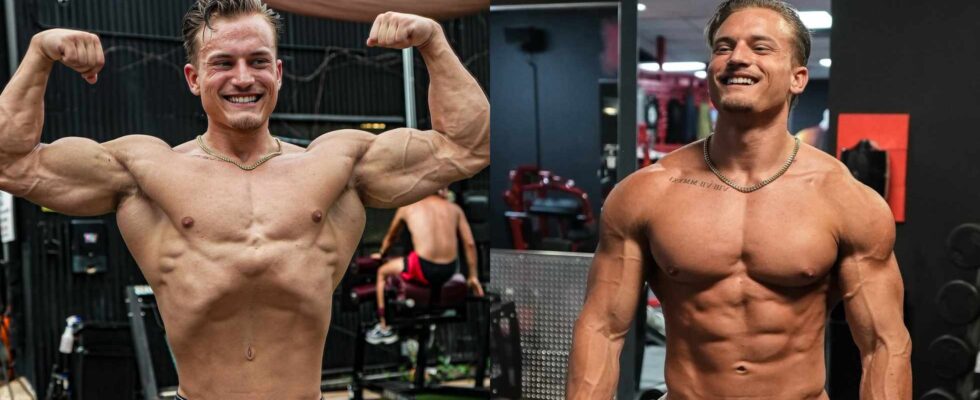
Ryan Johnson wakes up most mornings in Austin, walks past a stockpile of peptides and ster*ids that he describes as a “whole lifetime supply,” and starts prepping syringes for his morning injections into what he calls “fat areas” like his lower back.
It is a routine he has turned into content, and the content has turned into a business worth, by his own account, tens of thousands of dollars a month.
His pitch is not subtle. “Staying natural is for losers,” he tells in a recent podcast. “If you want to become successful, literally just take ste*oids, bro.”
He goes further, promising that testosterone can rewire a man’s entire work ethic: “Getting on testosterone will make you the most motivated, productive, unlazy, disciplined individual ever.”
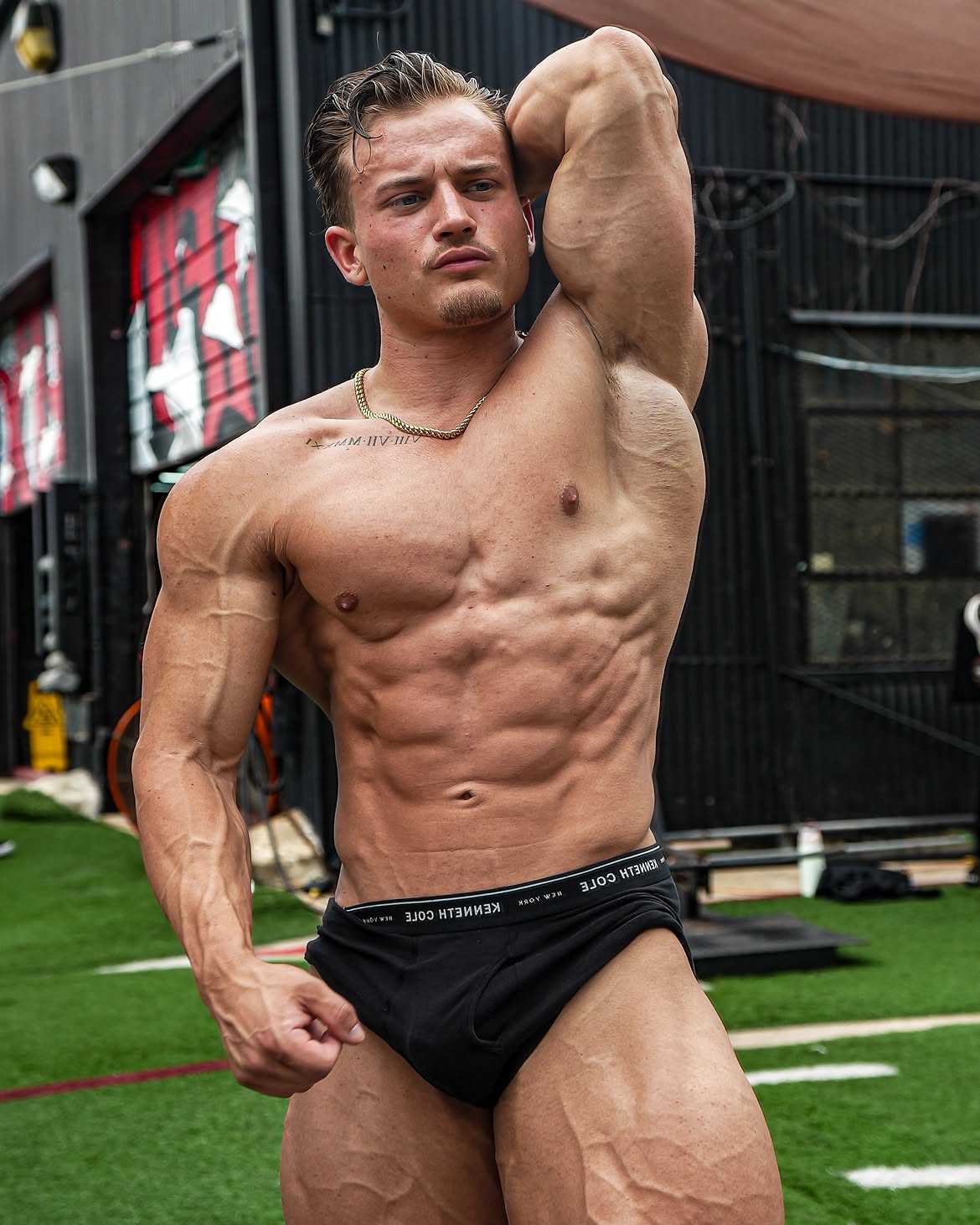
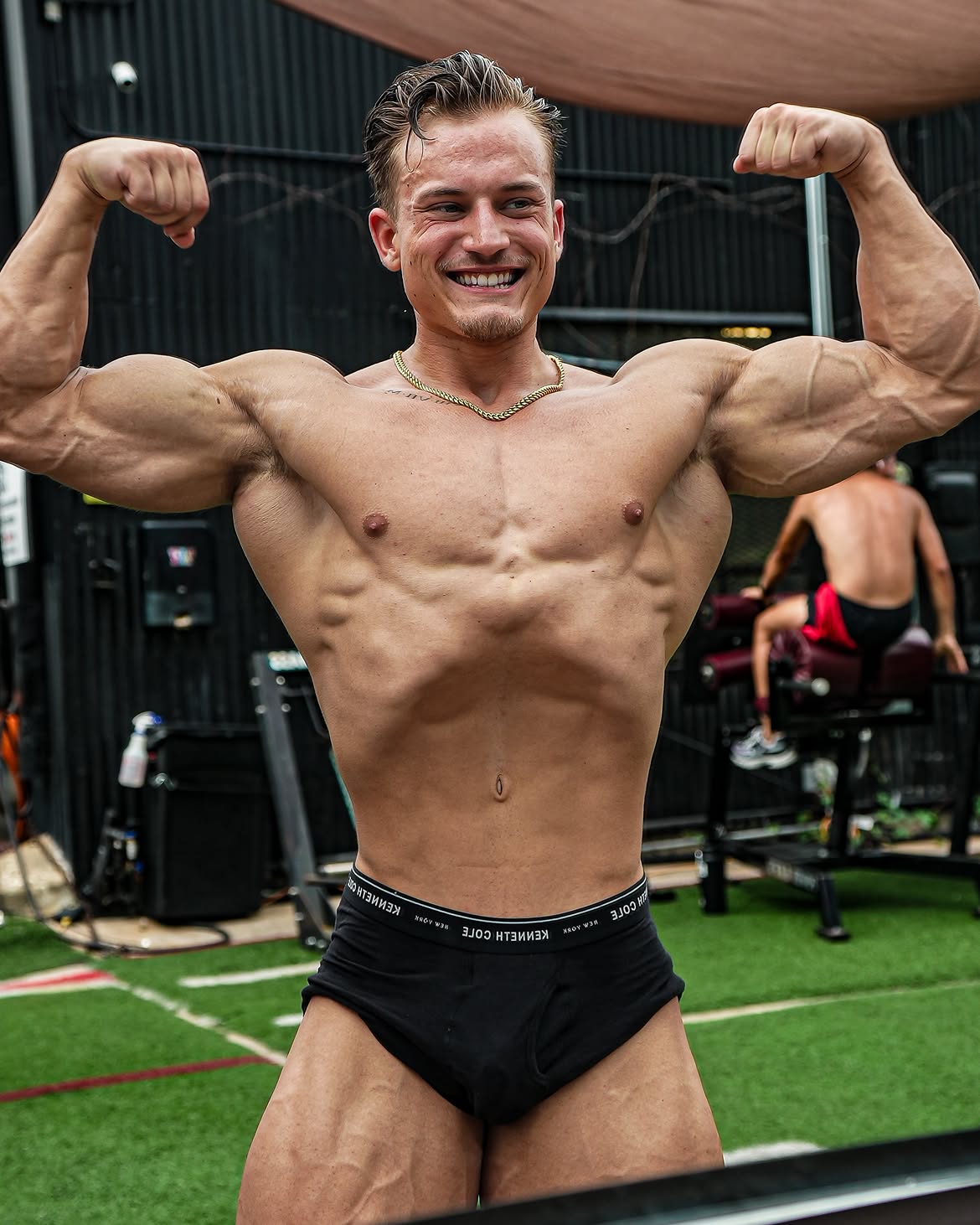
The 22-year-old has built his brand around three words: tan, jacked, and handsome. He tells followers the priority for any man in his twenties should be simple.
“The number one thing you should be focused on in your 20s is becoming as f***able as possible,” he has said, before inviting them to “DM me the word group” for entry into what he calls his enhancement community, a funnel that leads to paid coaching.
A Rough Start, Then A Rebuild
Johnson does not hide that his path here was jagged. He describes a chaotic childhood, a family that leaned on government food assistance and charity-funded holidays, and a struggle with d*ugs that started when he was 13.
His older sister passed away young, a loss he attributes in part to men he calls “very degenerate” who steered her toward a destructive lifestyle. He says her passing pushed him to remake himself, and he started with his body.
That transformation became the whole business model. In one video mapping his own progression, he ties each visible change in his physique to a corresponding jump in his weekly testosterone dose, climbing from 250 milligrams up to 900 milligrams over time.
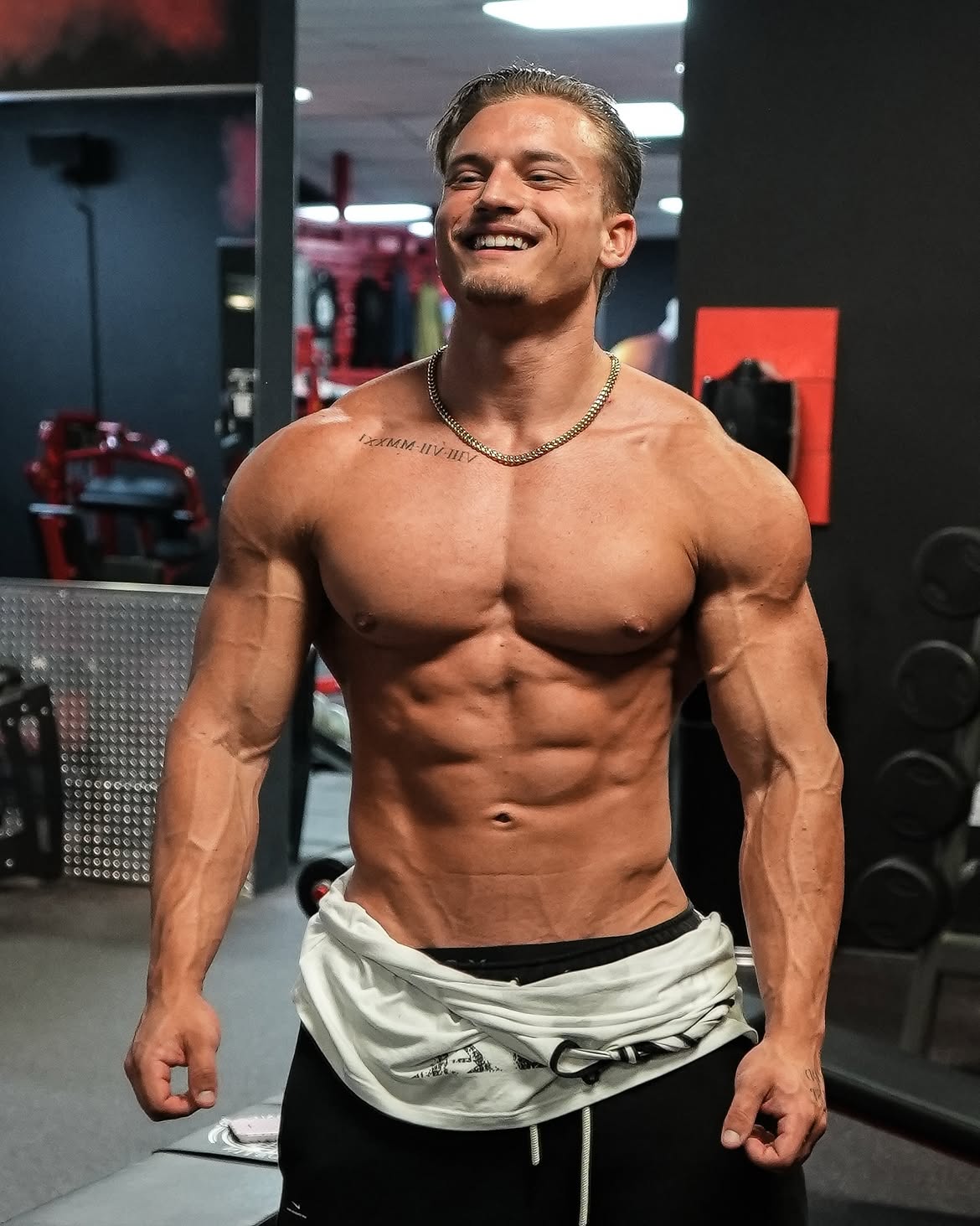
Alongside the physical shifts, he lists the material ones: quitting hourly retail jobs, moving to Miami, buying a customized Corvette, renting a penthouse, and eventually settling in Austin.
“This right here is what’s here to help you become more bada*s,” he tells viewers, holding up earnings from a payment processor as proof the formula works.
No Medical License, Plenty Of Confidence
Johnson is upfront that none of this comes from a clinical background. His research process, he says, is “online… YouTube, there’s a lot of good creators out there who know their stuff. Reddit’s a great place to hear about, of course, nerds like to talk on there, but then also real life experiences.”
Asked whether it worries him to be taking dr*gs he does not fully understand, he shrugs it off: “No, no. I mean, these all were created by scientists and stuff like that. You know, they’ve been out for years.”
That informal expertise does not stay theoretical. He coaches clients directly, including 21-year-old Merritt Skinner, who found him on Instagram after noticing they had walked similar paths as teenagers.
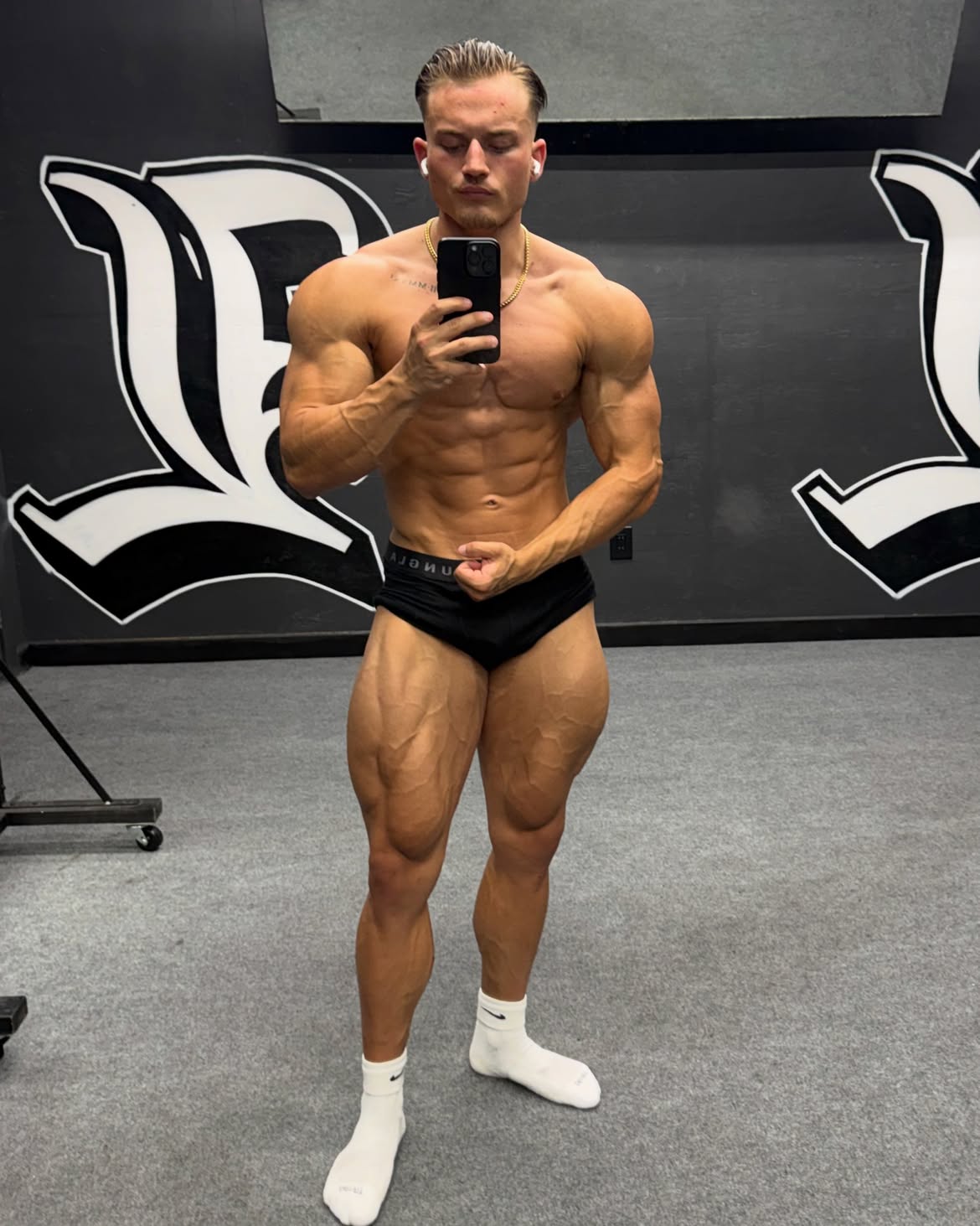
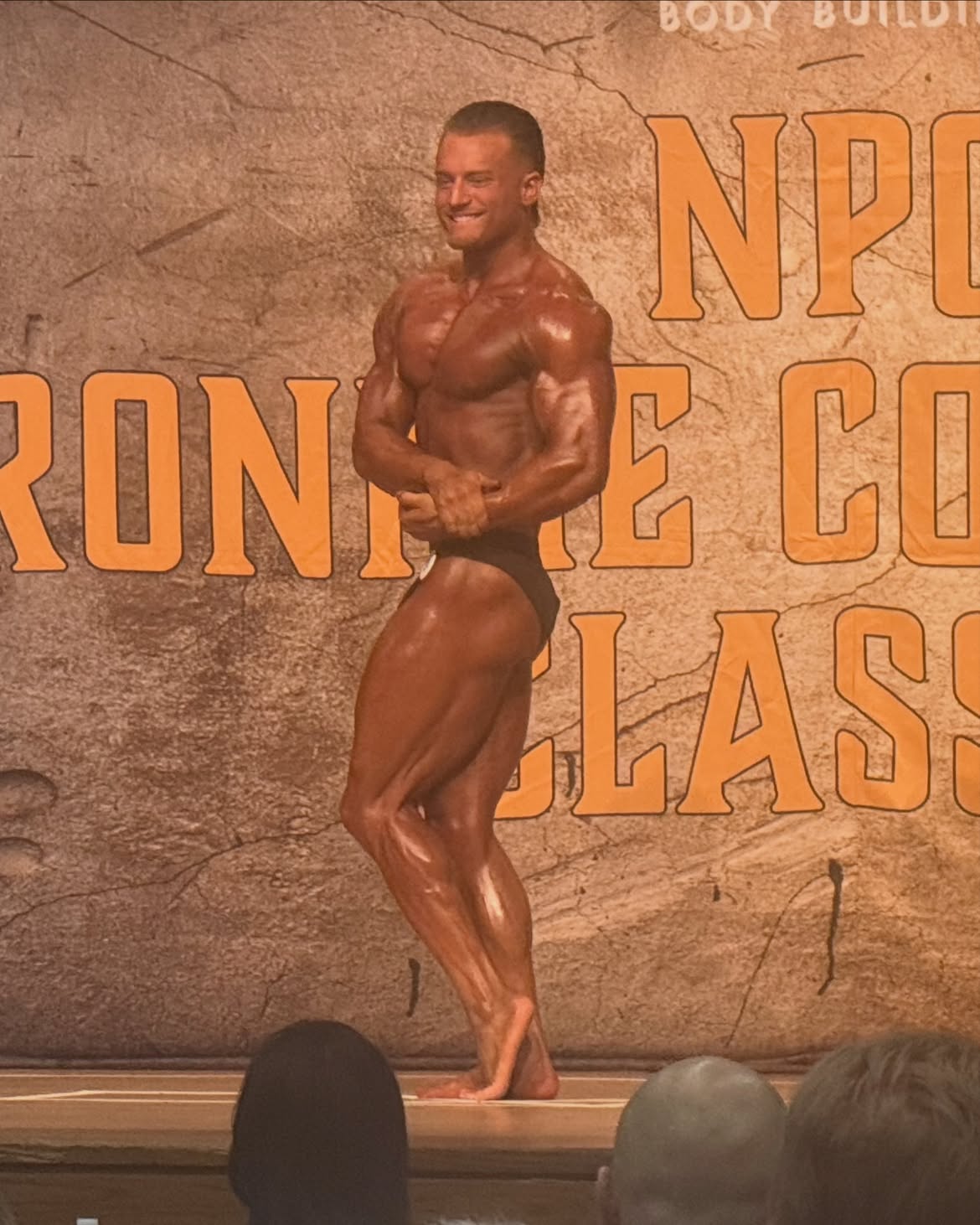
Johnson put him on what he calls “the whole nine yards,” a full regimen, and the two now consider themselves close as brothers. Skinner went on to place first in his class at a bodybuilding competition.
His direct messages extend well past formal clients. He has shared a message he sent to a man at his gym, recommending a specific testosterone dosing schedule with no exam and no bloodwork involved. He says the youngest people who message him asking for guidance are 16 and 17, and insists he will not advise anyone under 18.
An Admission
For all the polish, Johnson has one moment where the persona cracks. Asked directly whether he is hooked on what he promotes, he does not dodge it.
“I think so,” he says. “I will say yeah. I’m definitely an a*dict. I love the look I get from ste**ids, especially testosterone, the way I feel and stuff like that.”
He frames his coaching as a form of harm reduction, a safer outlet than what took his sister from him. “I’d rather them not use a hardcore dr*g and use some testosterone,” he says.
“If You’re Natural, You’re Just Like A Complete Dumba**s”
By 2026, Johnson’s messaging has sharpened into something closer to a manifesto. “It’s 2026 and if you’re natural, you’re just like a complete dumba*s,” he says in one video, arguing that modern environmental exposure has quietly wrecked hormone levels across an entire generation of men.
“Testosterone has dropped like 50% over the past… let’s call it a century,” he claims, concluding that “every single man in this generation is going to need to use testosterone one day.”
He does hedge, occasionally. He calls his videos “for entertainment purposes,” tells viewers to research everything before trying any of it, and insists that “testosterone is not just going to make you magically successful.”
He even concedes the d*ugs are not a personality transplant: “I know a lot of losers on testosterone… it really just amplifies who you are.” Still, the bulk of what he puts out functions as one long testimonial, dosing charts and lab results packaged next to lifestyle wins, with a $50-a-month subscription offering coaching calls, cycle logs, and sourcing information to anyone who wants to follow his blueprint.
Woven through his content is a broader emotional pitch about struggle itself. In one video he tells viewers that building a life you love, a body you’re proud of, real wealth, is going to be hard no matter what.

“Life is hard either way,” he says. “That’s what life is. Because if life wouldn’t be hard, it also wouldn’t be good.” His conclusion doubles as a slogan: “So choose your hard. You get to choose it.”
He describes the difference it made for him personally, saying it is “a lot easier to roll out of bed” to a life he built than to one he used to resent. It is a message that could belong to any motivational speaker, except in Johnson’s world, the hard thing you choose usually comes with a needle attached.
Part Of Something Bigger
Johnson is not an outlier so much as a symptom. He is one face among a growing wave of young male influencers, spanning looksmaxxing communities, podcasters, and political commentators, treating testosterone and st**oids as tools of self-optimization rather than medical interventions. The market backs up the shift.
According to Epic Research, testosterone prescriptions among American men have climbed nearly 50 percent over the past five years. Policy has moved in the same direction, with regulators recently stripping a long-standing warning label from testosterone and weighing easier prescription pathways, while new ventures built around openly selling performance-enhancing dr*gs to consumers have emerged as their own businesses.
