
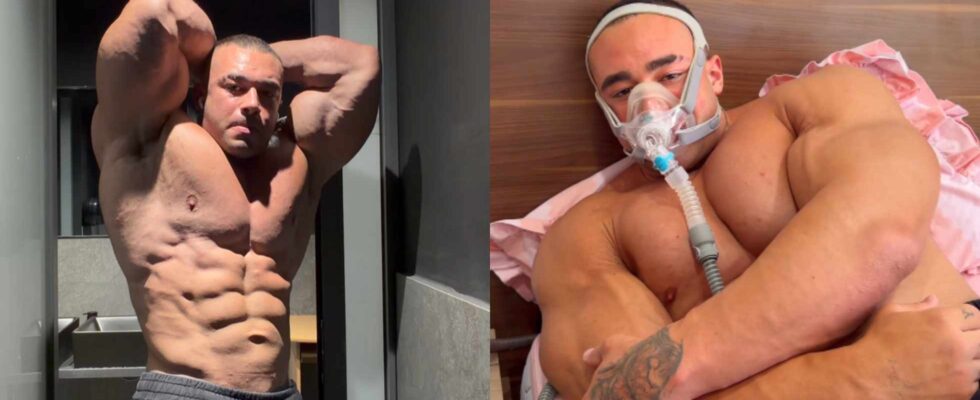
For most people, a diagnosis of heart failure at 22 would be a reason to step back. For the bodybuilder known online as Genetic Anomaly, it is more of a checkpoint before the next phase of his bulk.
In a recent video titled “Heart Failure at 22. Am I Done?” the young athlete walked his followers through his bloodwork results, an echocardiogram, and a full cardiac protocol designed by his coach and cardiologist, all while making it clear he has no plans to stop growing.
His ejection fraction, or EF, currently sits at 50 to 55%, which he acknowledges is on the lower end for someone his age.
He explained his concern directly: “Right now, my EF is like 50%. For a 23-year-old, it’s quite low, but it’s okay because my heart is still working. But since my plan is to get bigger, it’s going to become a problem, because if I intend to go up to 130 kilo (287 lbs) and my EF goes down to 40 or 45, that’s bad. That is bad. And that is something I’m going to avoid.”
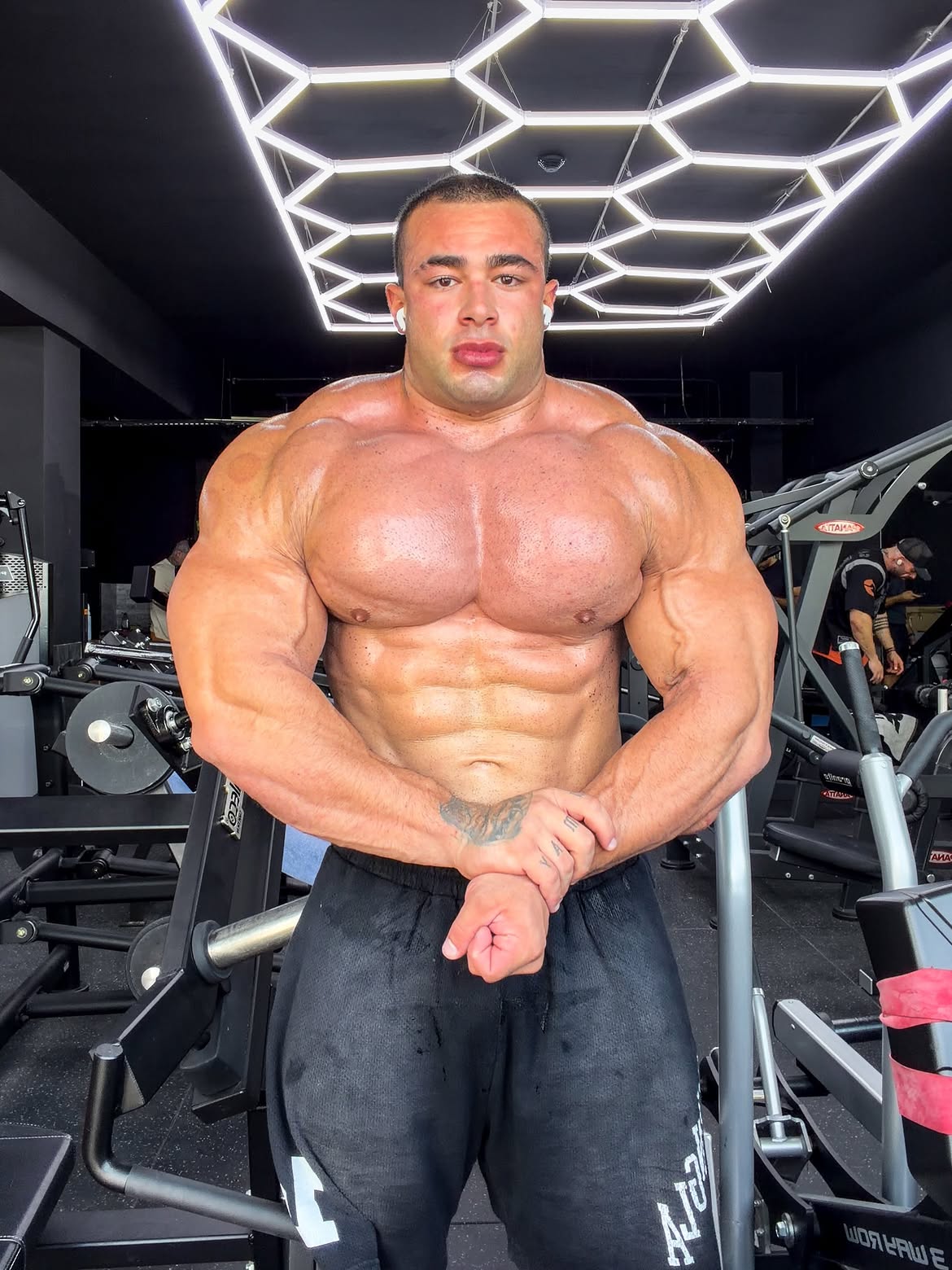
The plan is not to halt the bulk but to raise his EF to around 60% first, buying himself a buffer before adding more mass. As he put it: “I need to go up to 60%. So when I do get big and I’m actually unhealthy.”
The protocol he revealed includes prescribed treatment to reduce cardiac afterload, 20 to 30 minutes of daily cardio on the stair master targeting 145 BPM, swimming sessions for low-impact conditioning, and cutting out stimulants entirely.
He reported that after just one week, his endurance had already improved: “I feel like I have more endurance. I just feel good overall. I have less brain fog.”
His kidney and liver results came back clear, and he noted that the physical size of his heart has not changed since February. The drop in EF, he believes, came from letting cardio slide during the bulk, or from growing faster than expected.
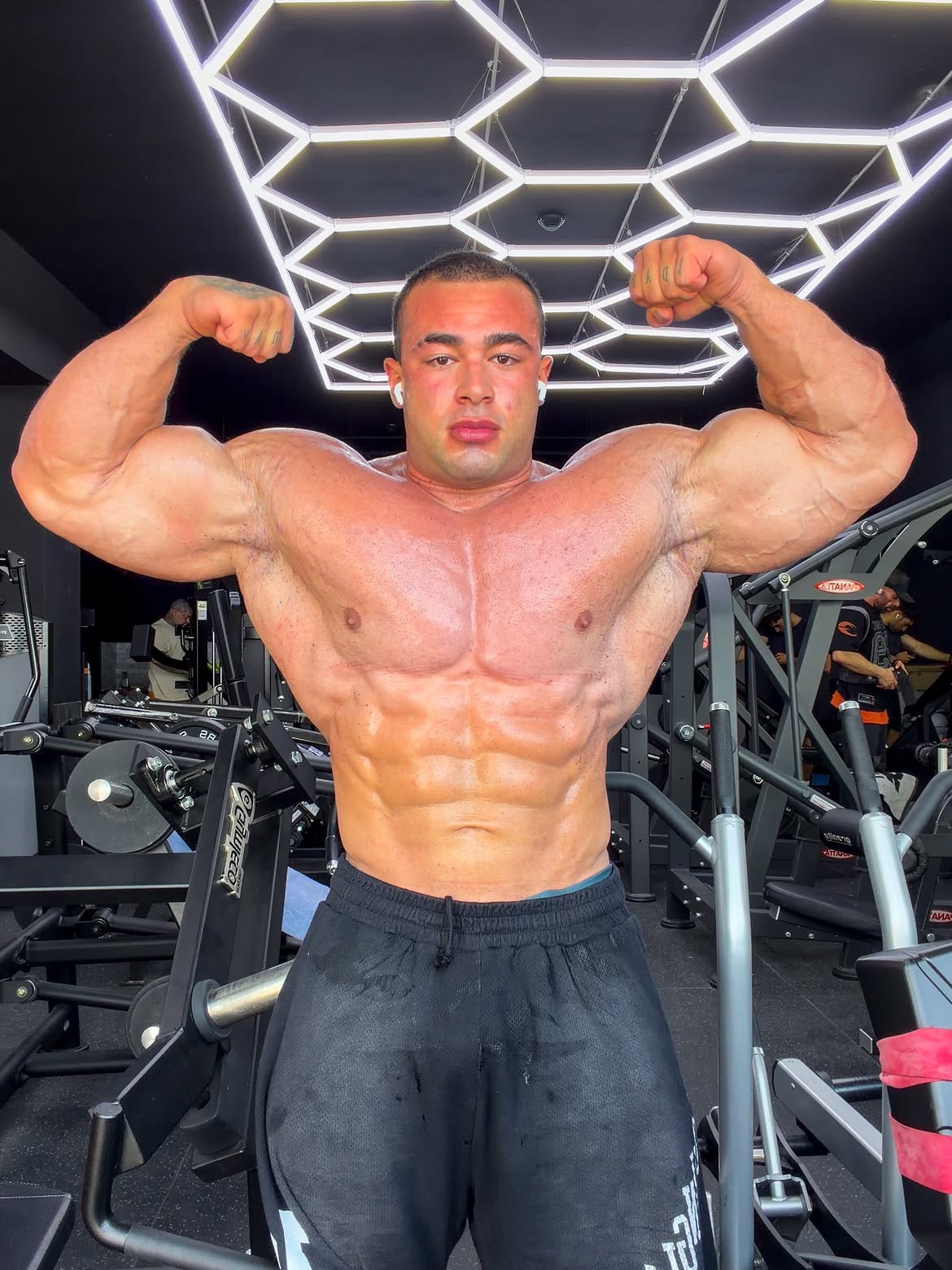
His girlfriend appeared throughout the video and made no secret of preferring his current size. “I love your abs. I love your arms. I love everything about you,” she told him. He was not swayed. “I need to get huge,” he said.
For those concerned about his choices, he pointed to three years of consistent bloodwork and organ imaging as evidence that he takes his health seriously.
“I have a cardiologist. I have a doctor. I have people actually watching over me and what I’m doing,” he said, adding that he plans to retire from competitive bodybuilding around age 35.
The next echocardiogram is already booked. The bulk, he insists, is still coming.
