
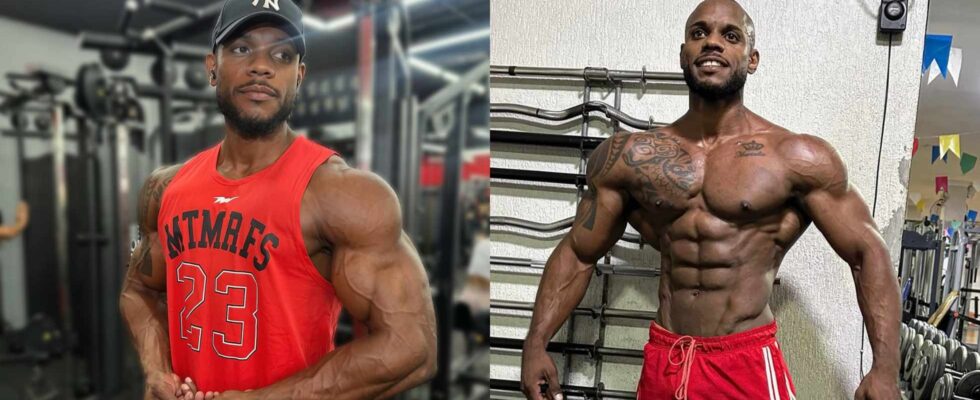
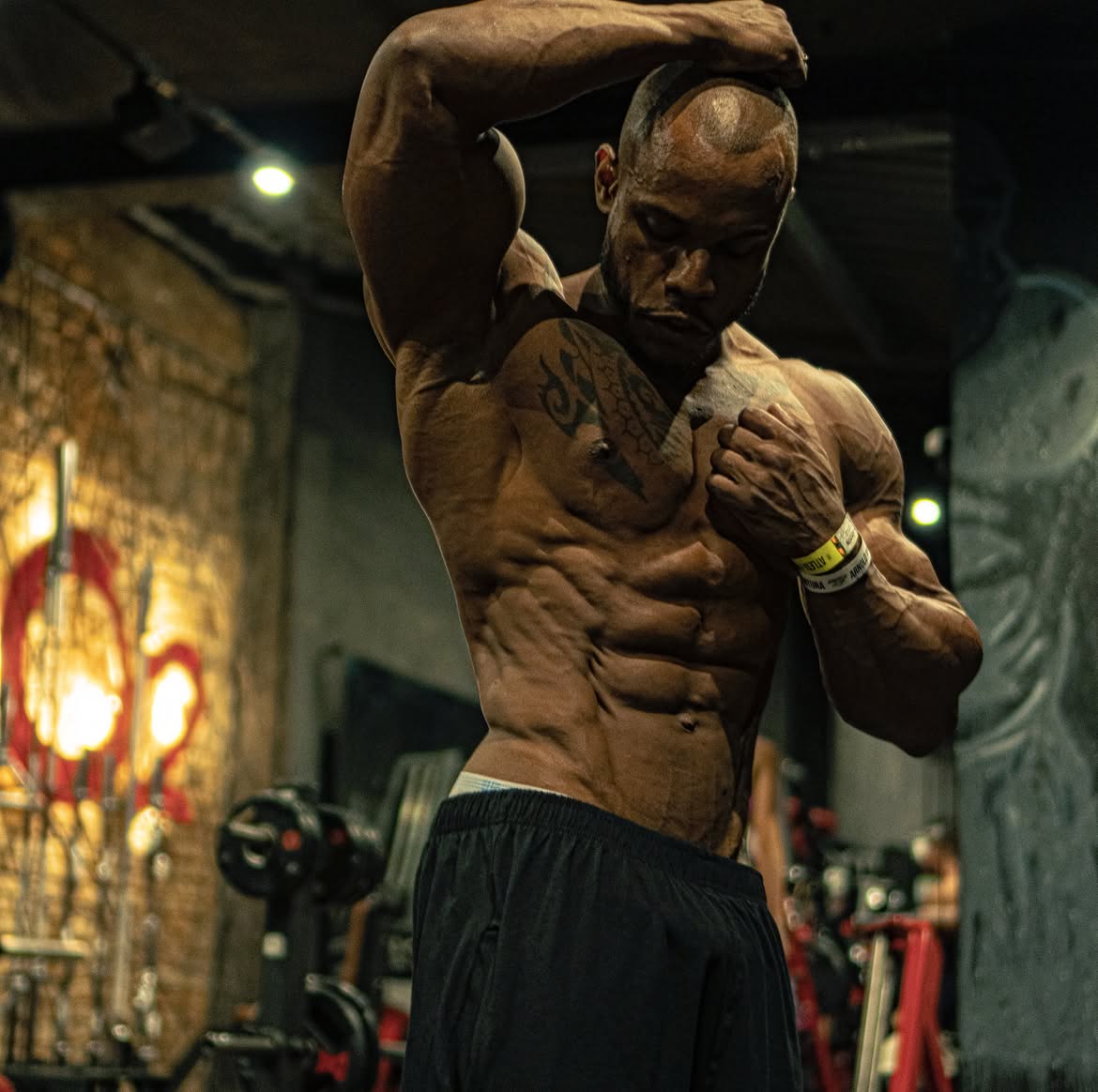
Mailson Araujo, a 35-year-old IFBB Pro bodybuilder from Brazil, collapsed and was pronounced dead at his home just hours after posting workout photos on social media. The athlete, who earned his professional card in 2023 after winning the Arnold Classic South American title, was preparing for an upcoming competition when the tragedy occurred.
Despite immediate intervention from his mother, a nurse, and emergency responders, he could not be revived.
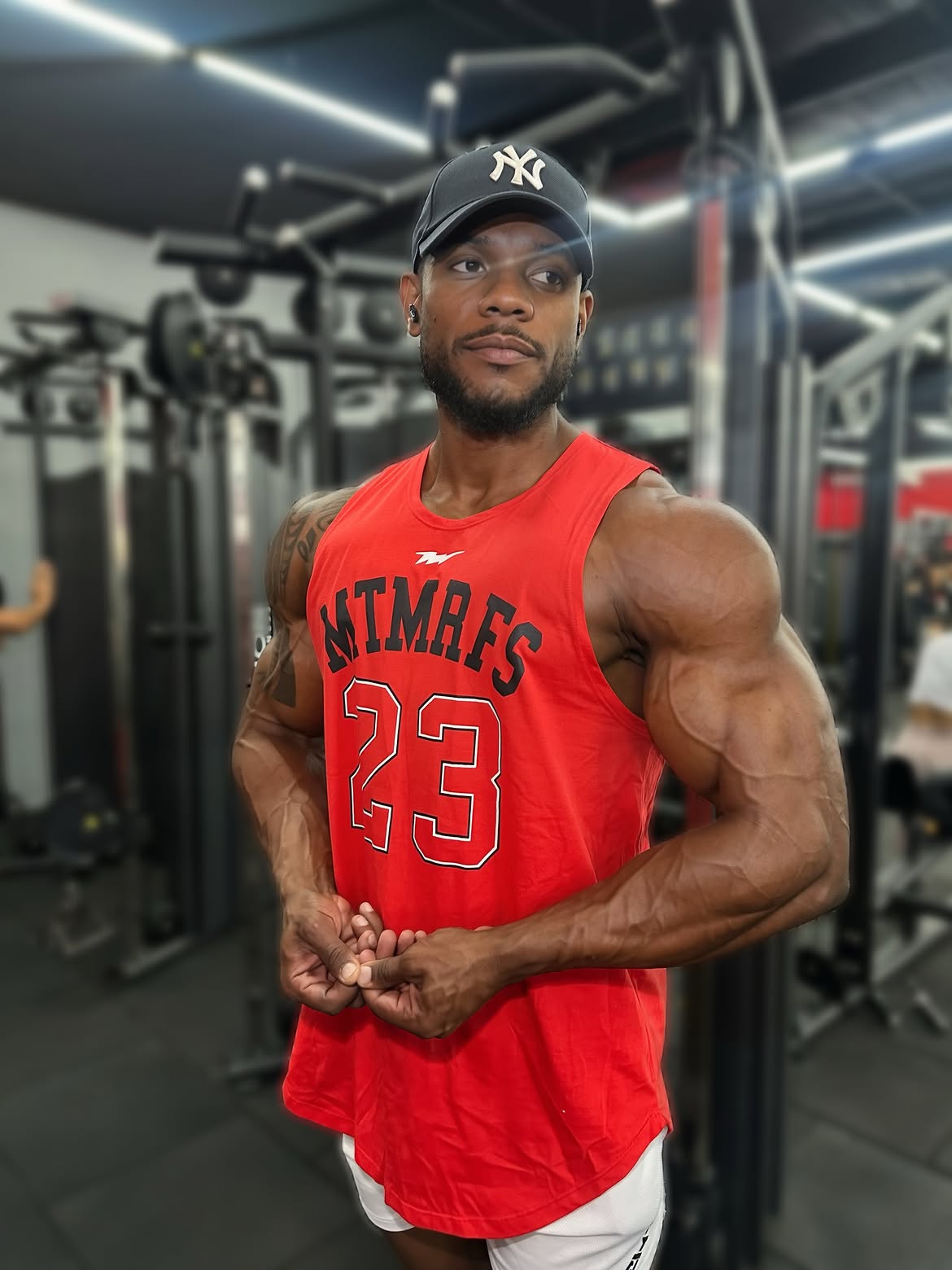
While the official cause of death remains undisclosed, the incident has renewed concerns about the health risks associated with extreme bodybuilding preparation. Competitive athletes may use combinations of anabolics, stimulants and diuretics while attempting to achieve extremely low body fat levels before a show.
When these are combined, particularly without proper medical supervision, they can place significant stress on the cardiovascular system and disrupt the body’s fluid and electrolyte balance.
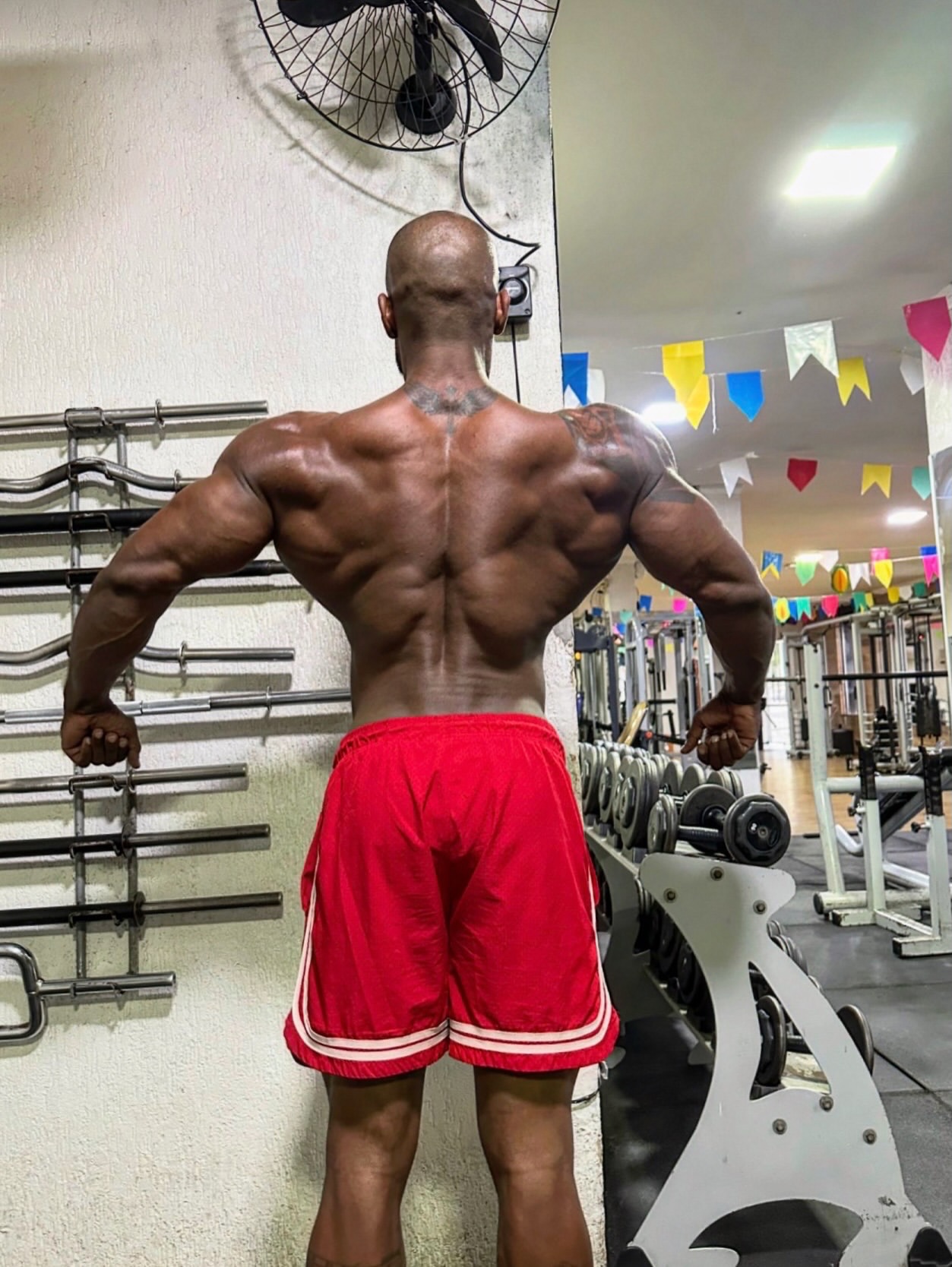
Diuretics can be particularly dangerous during contest preparation. These d*ugs increase fluid and electrolyte loss and, depending on the type and dosage, can contribute to abnormal potassium and sodium levels. Severe electrolyte disturbances can interfere with the heart’s normal electrical activity and potentially lead to life-threatening complications.
Another concern is that athletes may not adequately monitor their electrolyte intake while following aggressive contest-preparation protocols. Factors such as water consumption, sodium and potassium intake, diuretic use and other substances can interact in complicated ways. Without appropriate medical oversight and regular health monitoring, potentially dangerous changes may go unnoticed.
The Brazilian bodybuilding scene has also seen several incidents involving competitors who reportedly follow highly complex preparation protocols. Some athletes may use numerous compounds simultaneously in an effort to improve muscle definition, reduce body fat or maintain performance while dieting. The risks become even more concerning when athletes lack a clear understanding of how these substances affect the cardiovascular, renal and metabolic systems.
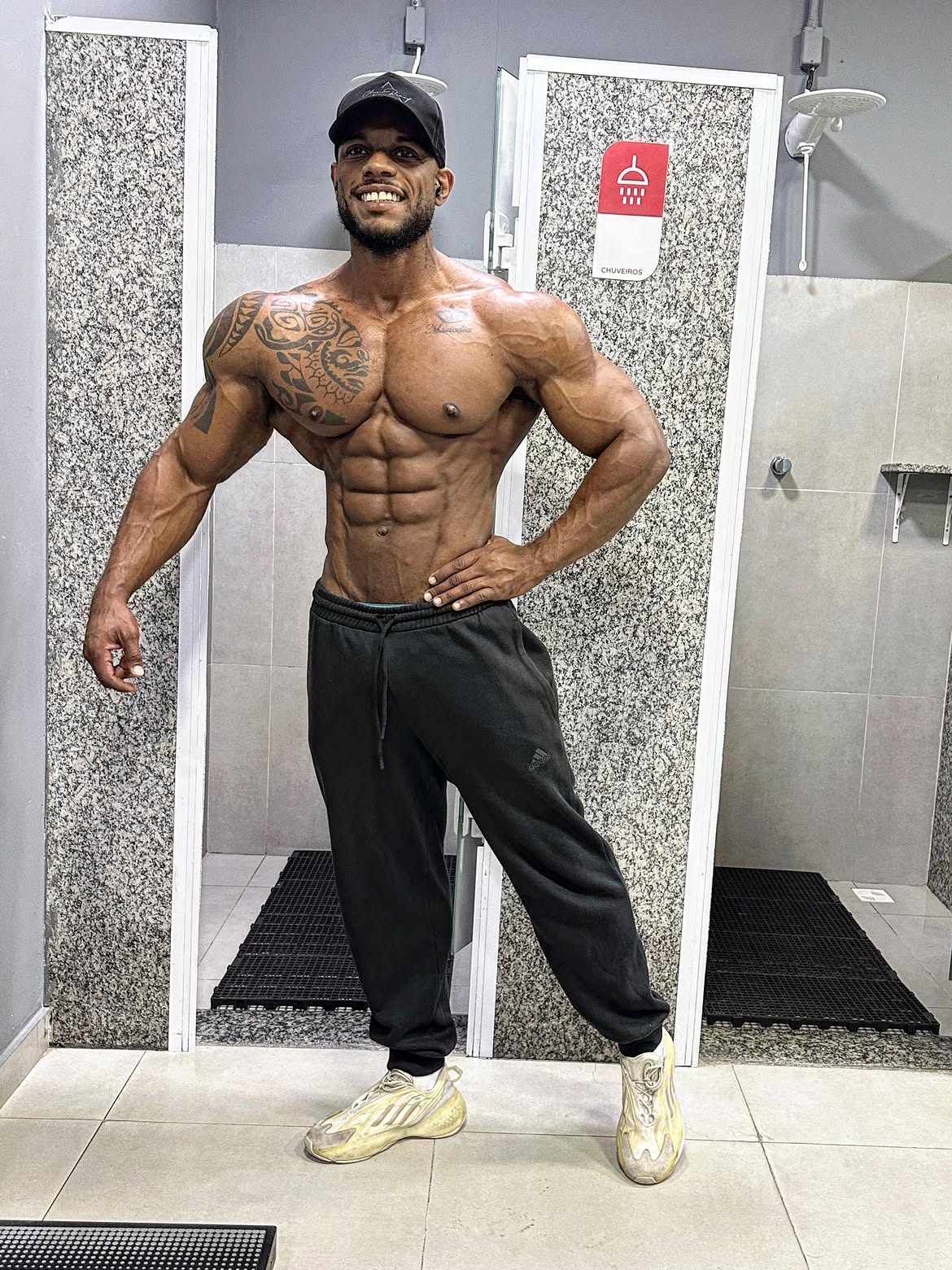
There is also a financial dimension to the issue. Many competitors make significant sacrifices to participate in bodybuilding competitions despite relatively modest prize money. For some athletes, the potential rewards may be small compared with the physical and financial demands of preparing for a show, raising questions about how much risk competitors are willing to accept in pursuit of success.
Additionally, it is important to recognize warning signs during intense contest preparation. Symptoms such as persistent fatigue, heart palpitations, dizziness, shortness of breath, weakness or unusual changes in physical appearance should not automatically be dismissed as normal consequences of dieting or getting ready for a competition. They can indicate an underlying medical problem that requires immediate attention.
Athletes who use PEDs may rely heavily on protocols provided by coaches or other individuals without fully understanding the potential risks or interactions involved. Having a detailed protocol does not necessarily make it a safe one.
