
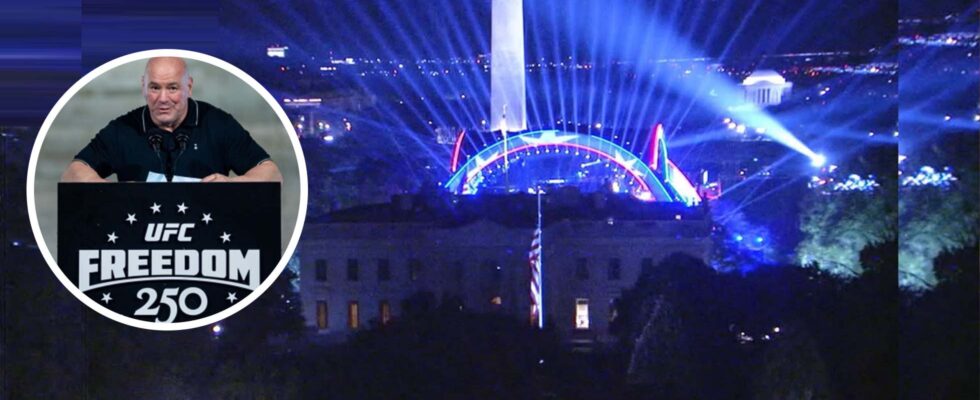
UFC moves toward staging a landmark event on the South Lawn of the White House, but the debate has intensified around the promotion’s growing proximity to political symbolism and national institutions. Critics argue the setting blurs boundaries between sport and state, while the organization maintains the focus remains on athletic performance and production value.
During a recent pre event press conference, Craig Borsari, UFC Chief Content Officer, responded directly to concerns raised about the implications of holding a card at such a politically charged location.
The question was posed by Selina Danielson of TV2 Denmark, who referenced commentary suggesting the UFC is contributing to the normalization of political and sporting overlap by bringing competition to the White House grounds.
Craig Borsari framed the event as a national celebration rather than a political gesture, emphasizing the historical context and production ambition behind the broadcast.
“I think the way we look at this is we have an unbelievable, incredibly unique opportunity to celebrate this country and our athletes, and that’s what we plan to do on Sunday. This is a special time in this country to celebrate 250 years and we have a lot of production assets to really lean into that narrative. And then all the while we have an incredible platform now for our athletes to showcase their skills and we’re excited to do that as well.”
When asked whether the UFC would have accepted a similar invitation from a different political administration, Craig Borsari responded without hesitation.
“100%.”
The organization has positioned the White House event as a patriotic broadcast experience, incorporating military participation and national imagery as part of the production design. According to Craig Borsari, representatives from all branches of the armed forces will be involved, with active personnel present on site and thematic elements integrated into the show.
Addressing broader public reaction, Craig Borsari acknowledged awareness of ongoing criticism but suggested the pace of preparations has limited exposure to external commentary.
“We just don’t have a lot of time to listen to the noise. We know it’s out there. I’ve seen it, but there’s no scrolling through Instagram and Twitter right now. I mean, it is non-stop. As soon as we wake up, we’re taking on challenges, making tweaks, making sure that we’re on schedule.”
He added that the intensity of production demands has kept the team focused inward rather than on outside debate.
“Maybe that’s a good thing because we’re just not paying attention to it.”
