
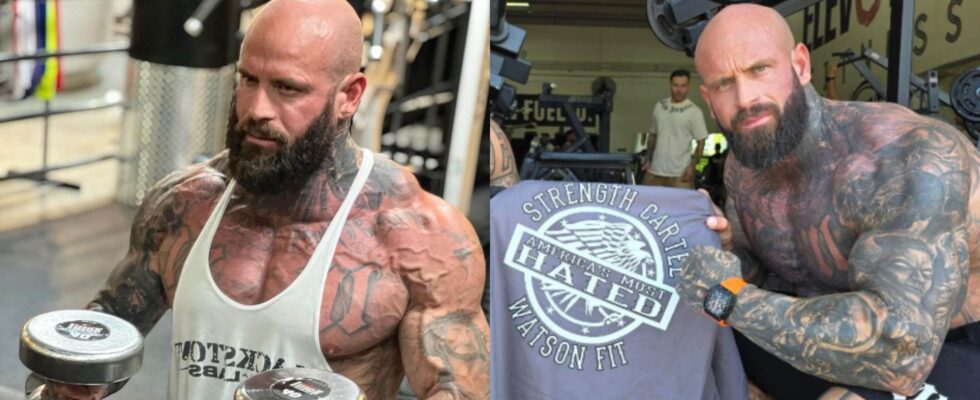
According to a Jon Bravo Films investigation, Wes Watson built the foundation of his business through his YouTube channel. Viewers would watch his motivational content, get drawn in by his stories, and then navigate to his description to apply for his coaching program.
Even while Watson was incarcerated, people were still signing up, finding him through old videos and sponsored ads.
In a civil case deposition, Watson claimed he had over 12,000 paying members a month. The investigation set out to understand how those numbers stayed so high, and the answers came directly from people who worked closely with him and managed his backend operations.
Part of the explanation was straightforward: many members simply forgot to cancel. Those on the $47 per month plan never noticed the charge sitting on their credit card statements.
According to sources close to Watson, he knew this and counted on it. As Jon Bravo put it: “The reason why his membership numbers are so high was because of the amount of people that never even noticed they were still getting charged and didn’t even remember to cancel.”
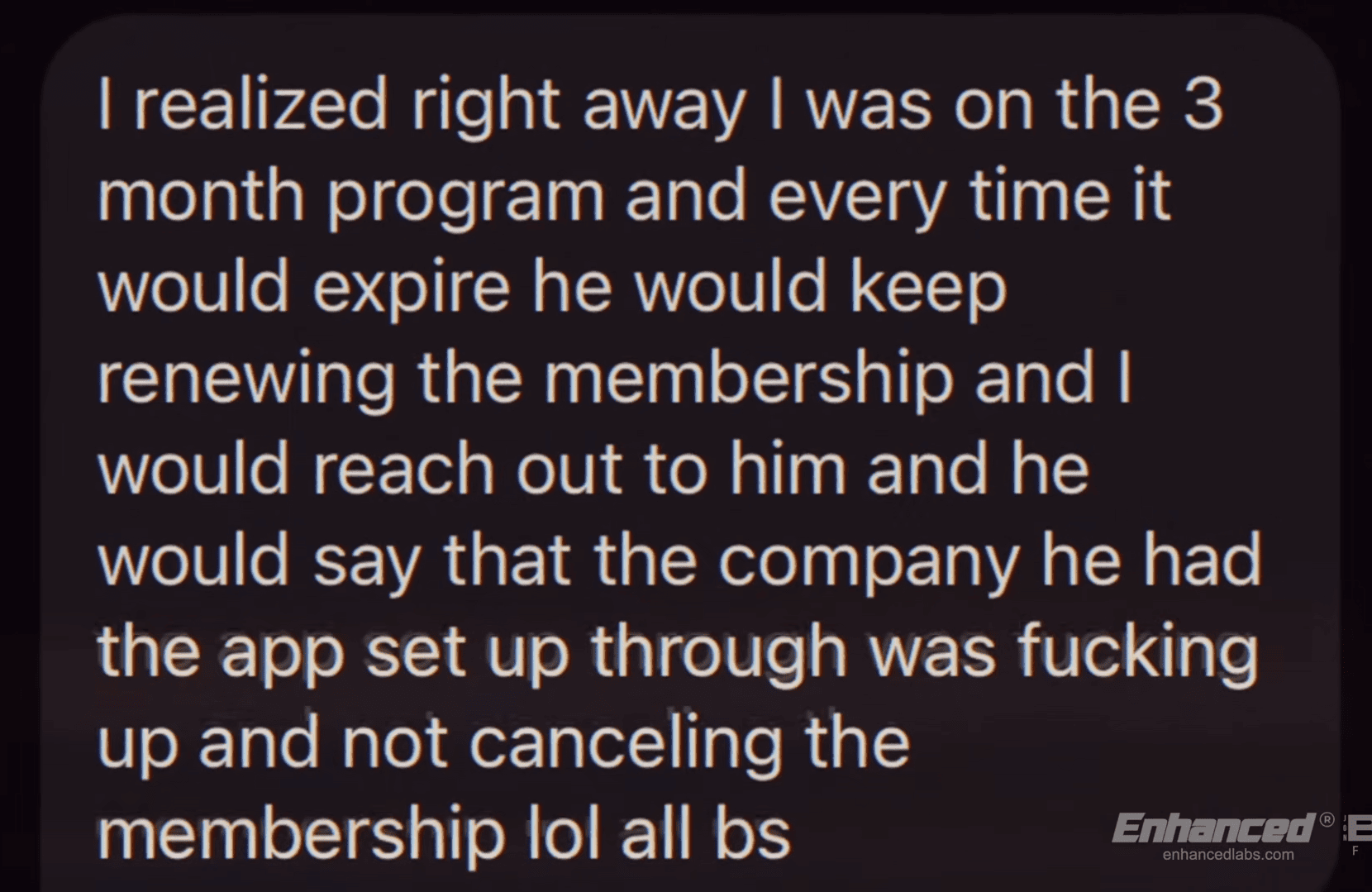
Then there were the members who tried to cancel and were told the cancellation did not go through due to a technical issue with the app. One former client shared: “I realized right away I was on the 3-month program and every time it would expire, he would keep renewing the membership and I would reach out to him and he would say that the company he had the app set up through was messing up and not canceling the membership. I got taken for $1,500 total by this guy.”
The investigation did not stop there. Sources from Watson’s inner circle alleged he went further by running charges on credit cards belonging to former clients. To avoid detection, Watson allegedly manipulated the descriptor field in his payment processor, the text that appears on a bank statement, to make charges appear as if they came from major retailers.
“When a charge is put in a payment processor, there’s a field called a descriptor, and in that field you can write whatever you want for the charge. So instead of it saying Wes Watson Fit like it should, he made it say Macy’s, Costco, Walmart, whatever he wanted,” Jon Bravo explained in the video.
When clients caught on and disputed the charges, payment processors reportedly cut ties with Watson, and he would simply move on and find a new one.
Sources told Jon Bravo that this behavior intensified in the period leading up to Watson’s arrest, as he was facing civil suits and allegedly wanted to move as much money as possible into cash, crypto, and other investments before any judgments could be made against him.
The money flowing into his account was dispersed across crypto holdings, Black Rock, other investments, and cash, with large amounts reportedly spent openly at clubs before anyone could lay claim to it.
