
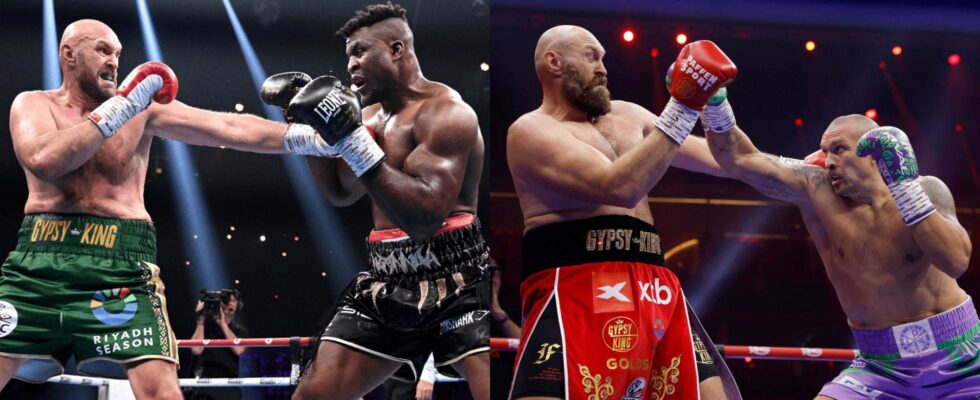
Combat sports analyst Luke Thomas recently appeared on The Bulwark podcast, where he talked about the growing ties between the Trump administration and the world of mixed martial arts. As the conversation went on, it shifted toward Saudi Arabia’s expanding footprint in combat sports.
When asked about the scale of Middle Eastern involvement, Thomas said the answer depends heavily on which sport you’re looking at. “There are two different ways to understand it,” he explained, noting that “there’s the MMA side and then there is the boxing side and they do differ.”
On the MMA front, particularly when it comes to the UFC, Thomas emphasized the promotion’s long-standing insistence on control. “The UFC has been famous about never letting anyone have control of their product when they would do television deals,” he said. While acknowledging their willingness to work with governments in the Middle East, he pointed out that the promotion still operates on its own terms.
“They are going to go to Saudi Arabia,” Thomas said, adding that although no official announcement has been made, “they’ve been there, or you know, UAE.” He highlighted their frequent presence in places like Dubai, explaining that the UFC will “do deals like any of these kind of dictators and these governments who just pay them max amount of money.”
Still, he stressed that even in those arrangements, “they don’t give them control over the product.” He added that the promotion doesn’t always send its strongest cards everywhere, noting, “they don’t necessarily always bring their A-game to Saudi Arabia,” though “they’ll bring their A-game to UAE.”
In contrast, Thomas described the boxing landscape as far more entangled with Saudi backing. “The boxing side is very, very different,” he said, before pointing to the emergence of Zuffa Boxing under the TKO Group Holdings umbrella. He explained that this new vertical, alongside MMA and WWE, is being heavily financed from abroad.
“Zuffa Boxing, which is that TKO boxing vertical, so it owns the WWE, MMA, and now the boxing vertical,” Thomas said, “they are being bankrolled by them.” He further claimed that legislative efforts are underway to shift the balance of power in boxing.
“Essentially, they are trying to get this legislation passed that would take away these protections that would enable them to monopolize,” he said, adding, “but then who’s footing the bill is Saudi Arabia on the other end.”
According to Thomas, Saudi Arabia’s influence isn’t limited to a single promotion or initiative, it has become foundational to the modern boxing ecosystem. “You don’t get modern boxing without the Saudis at this point,” he said.
While stopping short of calling it total control, he emphasized the scale of their involvement. Thomas stated that they have “almost, I’m not saying total control is a strong word, but pretty significant control of that industry.”
He also pointed to geopolitical tensions complicating the picture. “The Iran war is throwing a huge wrench into all of this,” Thomas said, referencing how regional instability has ripple effects across global sports investments.
As a parallel, he mentioned the Saudi-backed LIV Golf league as another example of how geopolitics and sports are increasingly intertwined.
